From Online Ridicule to Cultural Revival
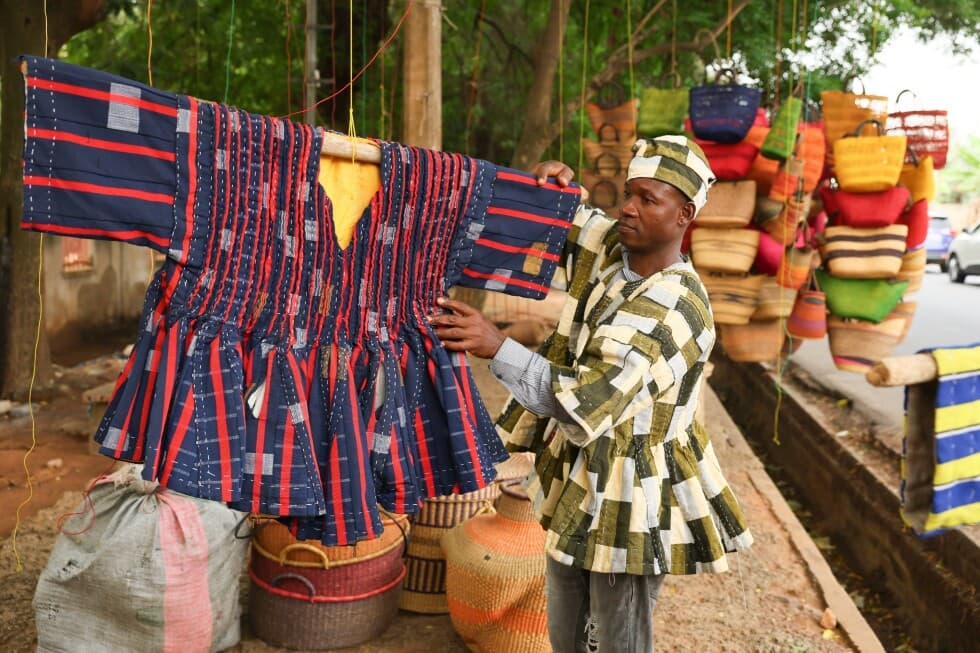
The resurgence of the fugu, a distinctive hand-woven smock predominantly worn in Ghana's northern regions but revered nationwide, was paradoxically triggered by a wave of online derision. For a period, images and videos of Ghanaians donning the fugu circulated on various social media platforms, attracting disparaging comments from some users who perceived the attire as antiquated or unfashionable. This unfortunate trend sparked outrage among many Ghanaians, who viewed the mockery as a direct assault on their rich cultural identity and heritage.
The digital disparagement, however, inadvertently ignited a counter-movement. What began as a defensive reaction quickly evolved into a proactive campaign to celebrate and popularize the fugu. Cultural advocates, social media influencers, and ordinary citizens rallied, establishing "Fugu Day" as a dedicated occasion for Ghanaians, both at home and in the diaspora, to proudly showcase the attire.
"Fugu Day": A Symbol of Unity and Pride
The concept of "Fugu Day" is simple yet profoundly impactful: encourage everyone, regardless of their ethnic background, to wear the fugu on a designated day. This collective display serves as a powerful visual statement, demonstrating unity, resilience, and an unwavering pride in Ghanaian culture. Beyond merely wearing the garment, the day often features educational campaigns about the fugu's history, its intricate weaving process, and the symbolism embedded in its patterns.
"What began as an unfortunate incident of online ridicule has serendipitously blossomed into a profound cultural awakening," stated Dr. Ama Nkrumah, a cultural anthropologist at the University of Ghana. "Fugu Day isn't just about wearing a cloth; it's about reclaiming our narrative, asserting our identity, and celebrating the rich tapestry of Ghanaian heritage. It’s a powerful testament to how a nation can turn negativity into a catalyst for positive self-expression."
The celebration extends beyond formal events, permeating workplaces, schools, and social gatherings. Pictures and videos of people in their vibrant fugu outfits flood social media feeds, often accompanied by hashtags promoting Ghanaian pride and cultural preservation. This digital presence amplifies the movement, reaching a wider audience and inspiring greater participation with each passing year.
Government and Community Endorsement
The growing popularity and positive impact of "Fugu Day" have garnered significant attention and endorsement from various sectors, including government officials. The Ministry of Tourism, Arts and Culture has been particularly supportive, recognizing the initiative's potential to boost cultural tourism and foster national cohesion.
"Our government fully supports initiatives like Fugu Day," remarked Hon. Kwesi Mensah, Deputy Minister for Tourism, Arts and Culture, during a recent cultural event. "It's a testament to our resilience and our commitment to preserving and promoting our unique cultural expressions on both local and global stages. This movement contributes significantly to our cultural tourism efforts by showcasing an authentic piece of Ghana's identity to the world."
Local communities, especially those renowned for fugu production, have also seen a renewed interest in the craft. Weavers and tailors report increased demand, providing a much-needed economic boost to these traditional artisans. This commercial aspect further solidifies the fugu's place not just as a cultural artifact, but as a viable industry contributing to local livelihoods.
The Fugu's Evolving Identity
While deeply rooted in tradition, the fugu is also experiencing a modern renaissance. Contemporary Ghanaian fashion designers are incorporating elements of the fugu into modern apparel, creating fusion pieces that appeal to younger generations. This blending of old and new ensures the garment remains relevant and fashionable, debunking the earlier online perception of it being outdated.
Young Ghanaians, in particular, are at the forefront of this stylistic evolution. They are finding innovative ways to style the fugu, pairing it with contemporary accessories and adapting it for various occasions, from formal events to casual outings. This dynamic approach to wearing the fugu further entrenches its status as a versatile and proud symbol of Ghanaian identity.
"It's exciting to see how young people are embracing the fugu," said Ms. Akosua Mensah, a fashion entrepreneur specializing in traditional Ghanaian wear. "It's no longer just for elders or ceremonial events. We're seeing it on university campuses, in corporate settings, and even at concerts. It's a statement of pride that transcends generations and reminds us of the beauty in our own culture."
The journey from online scorn to widespread cultural celebration underscores the power of community and identity in the digital age. As "Fugu Day" continues to gain momentum, it solidifies its place not just as an annual event, but as a vibrant symbol of Ghana's enduring pride in its rich cultural tapestry, inspiring future generations to wear their heritage with confidence and contribute to its ongoing legacy.