Apple might take a new approach to announcing its next products
Apple Poised for Potential Shift in Product Announcement Strategy
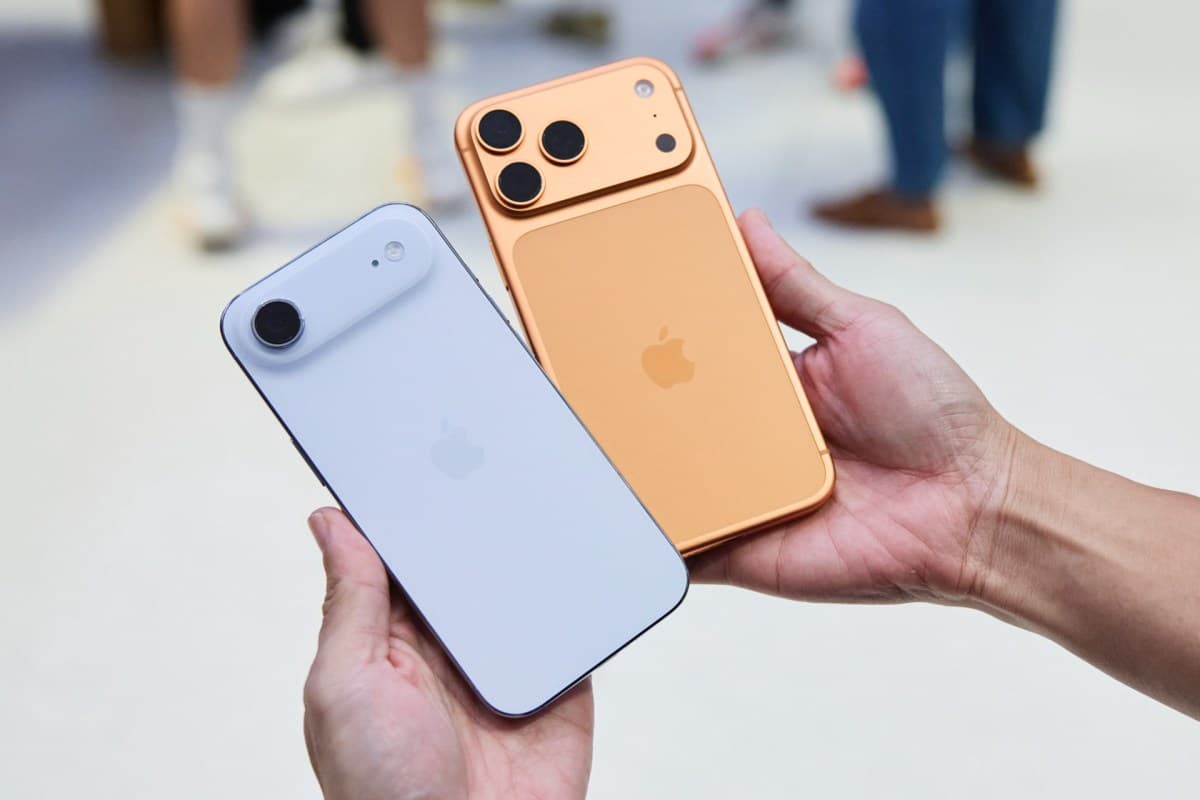
CUPERTINO, CA – Apple is inviting members of the tech press to a "special Apple experience" on March 4, signaling a potential departure from its long-standing tradition of grand, in-person product keynotes. While details remain sparse, industry observers and tech journalists are speculating that the event could unfold in a manner "a bit differently" than the company's standard press gatherings, hinting at a strategic evolution in how the Cupertino giant unveils its latest innovations.
The invitation, which simply states "Get ready for something special," offers no explicit confirmation of a live, public keynote address, a format that has become synonymous with Apple's major product launches for decades. Instead, sources close to the company suggest a more intimate or perhaps a pre-recorded, digitally distributed format could be on the horizon for certain product categories. This shift, if it materializes, would mark a significant pivot for a company renowned for meticulously choreographed presentations that often set the industry standard for product unveilings.
Rethinking the Traditional Keynote
For years, Apple's keynotes have been global spectacles, drawing millions of live viewers and dominating tech headlines. From Steve Jobs' iconic "one more thing" moments to Tim Cook's steady stewardship of major announcements, these events have served as both product launches and powerful brand statements. The potential move away from this established format raises questions about Apple's evolving communication strategy and its response to changing media consumption habits.
"Apple has always been a master of spectacle, and their keynotes are legendary for building hype," says Dr. Evelyn Reed, a professor of marketing at Silicon Valley University. "However, the landscape has changed. With so much information available instantly online, and attention spans shrinking, a more targeted, perhaps even bite-sized, approach could allow them to control the narrative more tightly and reach specific audiences more effectively without the immense logistical overhead of a full-scale live event."
One possibility being discussed is a series of smaller, hands-on briefing sessions for select journalists, accompanied by a comprehensive pre-recorded video presentation distributed simultaneously worldwide. This hybrid approach could offer the media direct access to new products while maintaining a global, polished presentation for the wider public. Another scenario involves a purely digital rollout, akin to several product announcements made during the height of the pandemic, where pre-produced videos and press releases served as the primary means of communication.
Strategic Implications and Industry Reaction
The implications of such a shift are multifaceted. For Apple, it could mean greater flexibility in scheduling announcements, potentially allowing for more frequent, category-specific launches rather than consolidating multiple products into one blockbuster event. It might also reflect a strategy to de-emphasize products that, while important, may not warrant the full fanfare of a traditional keynote, such as incremental updates to existing lines.
"If Apple moves towards more focused, digital-first announcements for certain product updates, it could streamline their marketing efforts significantly," comments Marcus Thorne, a senior tech analyst at Global Insight Group. "It allows them to be more agile. Not every product refresh, no matter how significant to a user, needs a two-hour theatrical production. This could be about efficiency and precision in messaging."
For the tech press, a revised approach could mean a different kind of access and reporting. While traditional keynotes offer a shared, communal experience, a distributed model might require journalists to adapt to new ways of gathering information and conducting product reviews.
"We thrive on the energy and immediacy of a live Apple event," states Sarah Jenkins, a veteran tech reporter for a prominent online publication. "The spontaneous reactions, the post-event interviews – these are crucial elements of our coverage. If it becomes a purely digital experience, we'd lose some of that immediacy, but potentially gain more in-depth access through dedicated briefing slots. It's a trade-off, and we'll have to see how it impacts our ability to bring comprehensive reports to our readers."
What to Expect on March 4
While the format remains the primary subject of speculation, the products likely to be featured on March 4 are also generating buzz. Analysts widely anticipate updates to Apple's iPad lineup, potentially including new iPad Pro models with OLED displays and an updated iPad Air, possibly in a larger size. There is also a strong possibility of new MacBook Air models featuring the M3 chip, along with refreshed accessories.
Regardless of the specific products unveiled, the manner of their announcement will be under intense scrutiny. Apple has historically dictated trends not just in technology, but in how technology is presented and consumed. This "special Apple experience" on March 4 could therefore represent more than just a product launch; it could signal a significant evolution in the company's overarching communication strategy, setting a new precedent for how tech giants engage with the world. The industry will be watching closely to see if this marks a temporary adjustment or a permanent shift in the Apple playbook.DISCLAIMER: The Views, Comments, Opinions, Contributions and Statements made by Readers and Contributors on this platform do not necessarily represent the views or policy of MyGhOnline


.png&w=3840&q=75)