
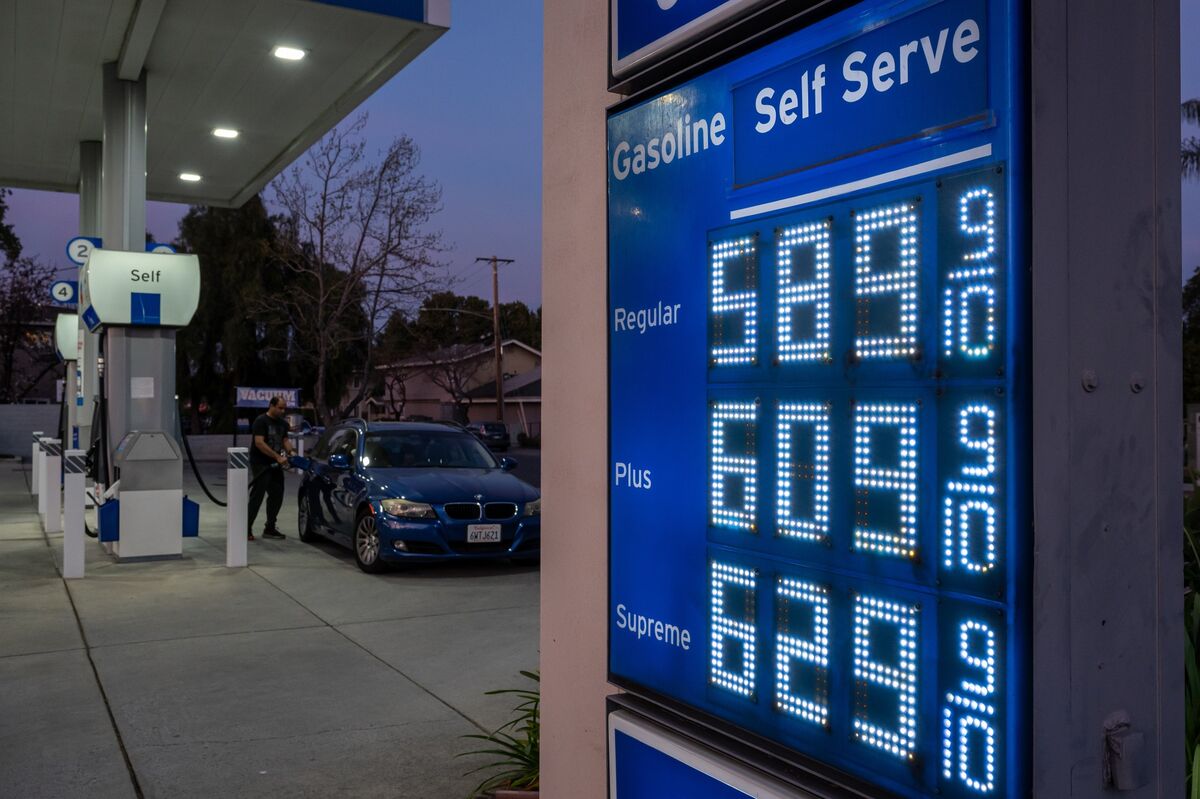
The US Treasury market has witnessed a significant reversal of fortunes, with all its gains for the year 2026 being wiped out amidst growing concerns over inflation and growth risks. The primary catalyst for this downturn has been the surge in oil prices, largely attributed to ongoing global conflicts. As oil prices continue to climb, investors are becoming increasingly anxious about the potential impact on the economy, leading to a shift away from US Treasuries.
Inflationary pressures have been at the forefront of investor concerns, with the recent spike in oil prices exacerbating fears of rising costs and decreased consumer spending power. According to Dr. Maria Rodriguez, a leading economist at the New York Institute of Finance, "The oil price surge is a double-edged sword. On one hand, it boosts revenue for oil-producing nations, but on the other, it increases production costs and diminishes consumer disposable income, ultimately affecting economic growth." As a result, investors are reassessing their portfolios, opting for safer havens that can provide a hedge against potential inflationary risks.
Impact on US Treasuries
The US Treasury market, often considered a safe-haven asset class, has borne the brunt of investor caution. As yields rise in response to inflation concerns, the value of existing Treasury bonds decreases, leading to a decline in overall market performance. Long-term Treasuries have been particularly affected, with the 10-year and 30-year bond yields experiencing significant increases. This shift in yield curve dynamics has resulted in substantial losses for investors who had initially invested in US Treasuries with the expectation of steady, low-risk returns.
Experts predict that this trend may persist, with investors continuing to favor shorter-term securities or alternative assets that offer greater protection against inflation. "We're seeing a flight to quality within the fixed-income space," noted John Taylor, a fixed-income strategist at Bank of America. "Investors are seeking out assets with shorter durations or those that provide an inflation-protected return, such as Treasury Inflation-Protected Securities (TIPS)." As the market adjusts to the new reality of higher oil prices and increased inflation risks, US Treasuries may continue to face headwinds, at least in the near term.
Global Economic Implications
The ripple effects of the oil price surge and subsequent inflation concerns are being felt globally, with economies closely tied to the US dollar and international trade likely to be affected.
"The rise in oil prices poses a significant challenge to emerging markets, which often struggle with higher import bills and decreased economic competitiveness,"said Dr. Ahmed Ali, a senior economist at the International Monetary Fund. As global economic growth slows, central banks may be forced to reassess their monetary policy stances, potentially leading to a shift towards more accommodative policies to mitigate the impact of rising inflation and slower growth.
In the face of these challenges, investors are advised to remain vigilant and adapt their strategies to the evolving market landscape. As volatility becomes the new norm, diversification and a long-term perspective will be essential for navigating the complexities of the global economy. According to Michael Brown, a portfolio manager at Fidelity Investments, "Investors should focus on asset allocation and maintaining a well-diversified portfolio, rather than trying to time the market or make bold bets on specific asset classes." By taking a disciplined approach and staying informed, investors can better position themselves to weather the storms of economic uncertainty.
Looking Ahead
As the year 2026 progresses, the US Treasury market will likely remain under scrutiny, with investors closely monitoring inflation data, oil prices, and global economic trends. The policy response from central banks and governments will also be critical in shaping the market's direction. While it is difficult to predict with certainty how events will unfold, one thing is clear: the current environment demands a thoughtful and nuanced approach to investment decision-making. As investors navigate this complex landscape, they must be prepared to adapt and evolve, prioritizing flexibility and risk management in their pursuit of long-term financial goals.
In conclusion, the erosion of US Treasury gains in 2026 serves as a stark reminder of the ever-changing nature of financial markets. As inflation concerns and growth risks continue to dominate the headlines, investors must remain vigilant, informed, and strategic in their approach. By doing so, they can better position themselves to thrive in an environment marked by uncertainty and volatility, ultimately achieving their long-term investment objectives and securing a brighter financial future.