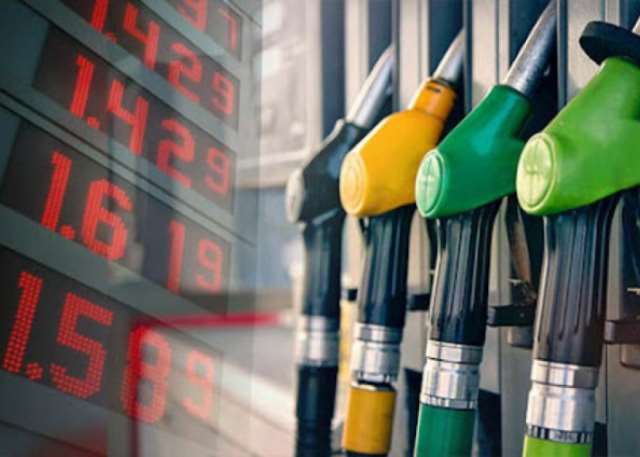
The latest fuel price adjustments have taken effect, with Oil Marketing Companies (OMCs) increasing prices at the pumps. As of the latest update, Star Oil is selling petrol at GH¢12.49, marking a significant jump in the cost of fuel for consumers. This move follows similar adjustments by other major players in the industry, including GOIL, which reportedly made changes to its prices on Sunday, March 15, 2026.
The increase in fuel prices is expected to have far-reaching implications for the economy, affecting not only the cost of transportation but also the prices of goods and services across the board. According to industry experts, the hike in fuel prices is a response to the current market conditions, including the fluctuation in global oil prices and the depreciation of the local currency. "The fuel price increase is a necessary adjustment to ensure that OMCs can continue to operate profitably in a challenging market environment," said Mr. Kwame Owusu, a petroleum economist.
Industry Response
OMCs have been under pressure to adjust their prices due to the rising cost of importing fuel. The depreciation of the local currency has made it more expensive for companies to import fuel, leading to a squeeze on their profit margins. "We have been absorbing the costs for some time now, but it has become unsustainable," said Ms. Ama Mensah, the Managing Director of Star Oil. "We hope that our customers will understand the reasons behind the price increase and bear with us during this challenging period."
GOIL, another major player in the industry, has also adjusted its prices. Although the company has not officially announced the new prices, sources indicate that the changes took effect on Sunday, March 15, 2026.
"We are committed to providing our customers with high-quality fuel at competitive prices,"said Mr. Patrick Akorli, the CEO of GOIL. He added that the company would continue to monitor the market and make adjustments as necessary to ensure that its prices remain competitive.
Economic Implications
The increase in fuel prices is likely to have a ripple effect on the economy, affecting various sectors, including transportation, manufacturing, and agriculture. Dr. Joe Jackson, an economist at the University of Ghana, warned that the price hike could lead to higher production costs, which could be passed on to consumers. "The fuel price increase will likely lead to higher inflation, which could erode the purchasing power of consumers," he said.
However, some experts believe that the impact of the fuel price increase on the economy may be mitigated by other factors, such as the government's efforts to reduce its expenditure and the expected increase in oil production. "The government's fiscal discipline and the potential increase in oil production could help to offset the effects of the fuel price hike," said Mr. Kofi Owusu, a financial analyst.
Consumer Reaction
Consumers have expressed concerns about the impact of the fuel price increase on their budgets. Many have called on the government to take steps to reduce the burden of the price hike on ordinary Ghanaians. "The fuel price increase will affect my ability to commute to work and take care of my family," said Akua Mensah, a resident of Accra. "I hope that the government will take steps to address the situation and provide relief to consumers."
In response to the concerns, the government has promised to take measures to mitigate the effects of the fuel price increase. According to a statement from the Ministry of Energy, the government is exploring options to reduce the impact of the price hike on consumers, including the potential reduction of taxes on fuel. "We understand the concerns of consumers and are committed to taking steps to address the situation," said Mr. John Dumelo, the Minister of Energy.
In conclusion, the fuel price increase is a significant development that is likely to have far-reaching implications for the economy and consumers. As the situation continues to evolve, it is essential for stakeholders, including the government, OMCs, and consumers, to work together to find solutions that balance the need for profitable operations with the need to protect the interests of consumers. The coming days and weeks will be crucial in determining the impact of the fuel price hike and the effectiveness of the measures taken to address the situation.