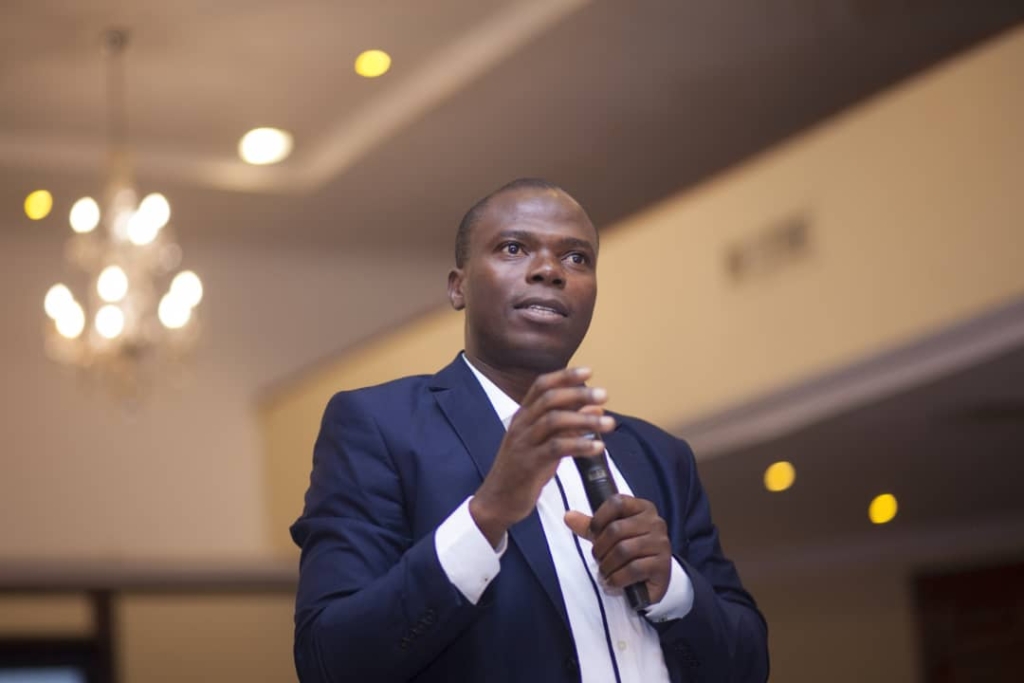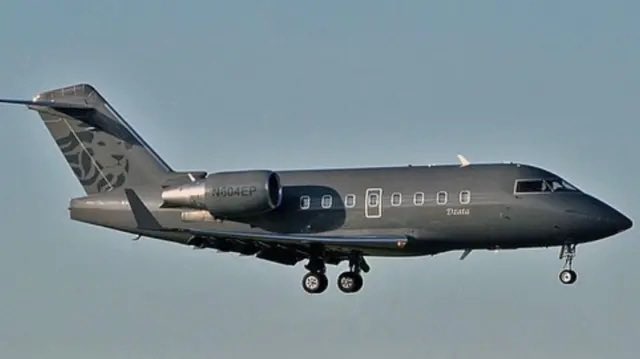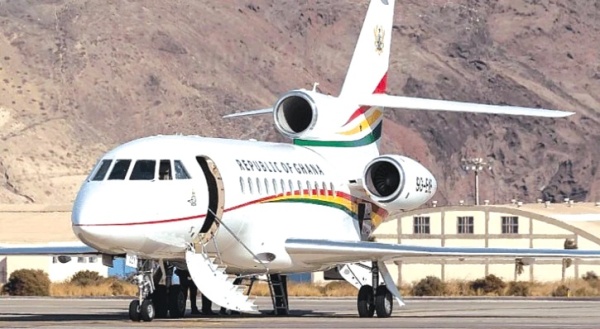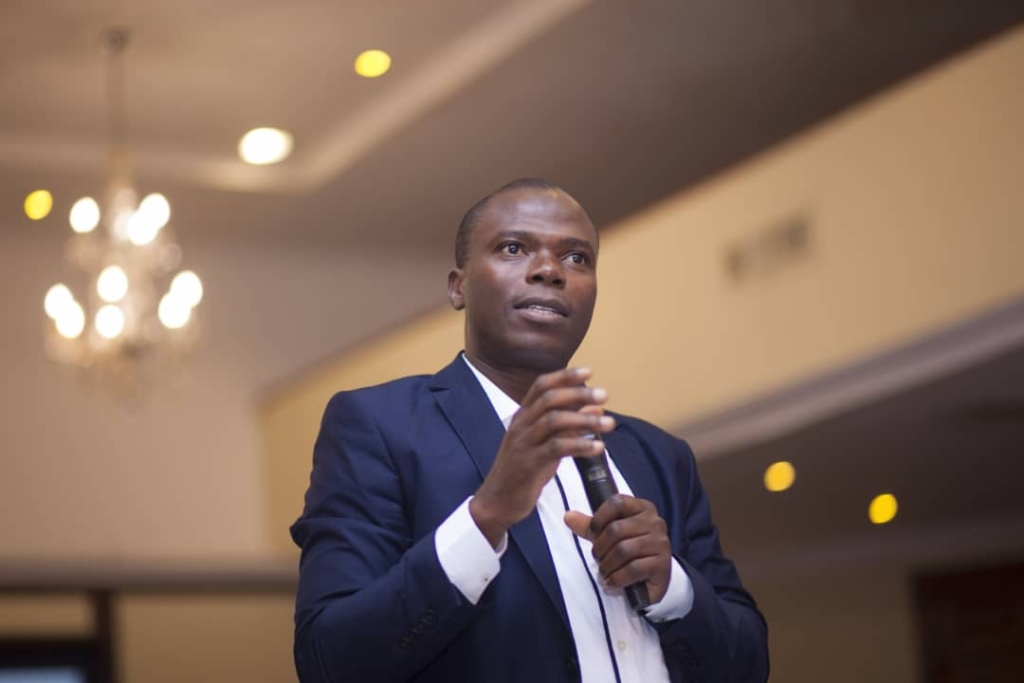
The Ghanaian government has come under scrutiny for its handling of public resources, with Sulemana Braimah, Chief Executive Officer of the Media Foundation for West Africa, leading the charge. In a scathing critique, Braimah lamented the years of resource mismanagement under both the former New Patriotic Party (NPP) administration and the current National Democratic Congress (NDC) government. At the heart of his criticism is the government's apparent lack of fiscal responsibility and its failure to procure a decent presidential jet.
According to Braimah, the government's profligacy has resulted in a significant waste of public funds, which could have been better utilized to address the country's pressing development needs. "It is unconscionable that successive governments have failed to prioritize the prudent management of public resources," Braimah said in an interview. "The lack of accountability and transparency in government procurement processes has created an environment conducive to waste and corruption." He further emphasized that the acquisition of a fit-for-purpose presidential jet is long overdue, citing the current jet's limitations and the need for a more efficient and cost-effective solution.
Years of Mismanagement
The issue of resource mismanagement in Ghana is not a new one. Both the NPP and NDC governments have been criticized for their handling of public funds, with many citing a lack of transparency and accountability.
"The problem is not just about the amount of money being spent, but also about the value for money,"said Dr. Kwame Addo, a public finance expert. "The government needs to prioritize its spending and ensure that every cedi is being used to benefit the Ghanaian people." Braimah's criticism has resonated with many Ghanaians, who are fed up with the perceived waste and inefficiency in government.
The call for a new presidential jet has also sparked debate, with some arguing that it is a necessary expense for a country of Ghana's stature. Presidential jets are often seen as a symbol of national pride and a necessary tool for diplomatic engagements. However, others have questioned the wisdom of acquiring a new jet, given the country's more pressing development needs. "While a decent presidential jet may be a desirable asset, it is not a priority," said Akua Danso, a development economist. "The government needs to focus on addressing the country's basic infrastructure needs, such as roads, healthcare, and education."
Way Forward
As the government grapples with the issues of resource mismanagement and presidential jet procurement, many are calling for a more transparent and accountable approach to public finance. Braimah has urged the government to curtail waste and prioritize its spending, ensuring that every public fund is used to benefit the Ghanaian people. "The government needs to demonstrate a commitment to fiscal responsibility and transparency," Braimah said. "This includes ensuring that all government procurement processes are transparent, competitive, and free from corruption."
In conclusion, the Ghanaian government faces a critical test of its commitment to fiscal responsibility and transparency. As Sulemana Braimah and other critics continue to push for accountability, the government must respond with concrete actions to address the issues of resource mismanagement and presidential jet procurement. The acquisition of a decent presidential jet may be a necessary expense, but it must be balanced against the country's more pressing development needs. Ultimately, the government's ability to manage public resources efficiently and effectively will determine the country's progress and prosperity in the years to come. As Dr. Addo noted,
"The government's handling of public resources will be a key factor in determining its legacy and the trust that Ghanaians have in their leaders."