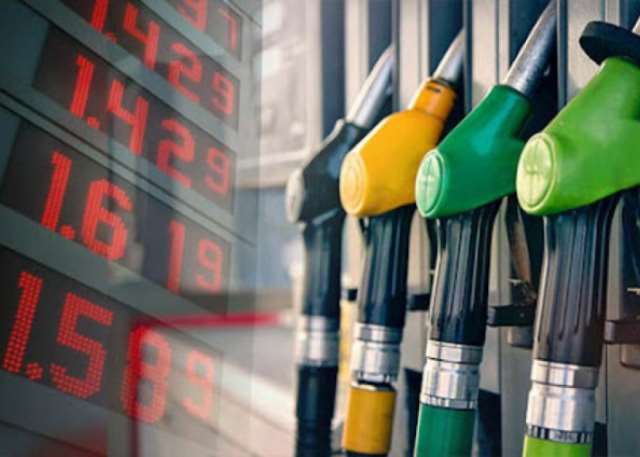
The recent surge in fuel prices has sent shockwaves through Ghana's transportation sector, with commercial drivers voicing their discontent over the escalating costs of operating their vehicles. According to the Ghana Private Road Transport Union (GPRTU), the continuous increase in fuel prices, combined with other expenses, is taking a significant toll on the livelihoods of commercial drivers across the country. The GPRTU's Deputy Public Relations Officer, Mr. Kwame Owusu, emphasized that the situation is becoming increasingly dire, with many drivers struggling to make ends meet.
The GPRTU, which is the largest private road transport union in Ghana, represents the interests of thousands of commercial drivers nationwide. Mr. Owusu stated that the union has been inundated with complaints from drivers who are finding it challenging to cope with the rising fuel costs. "We are receiving numerous complaints from our members, who are distressed about the increasing fuel prices. The situation is dire, and we fear that if nothing is done to address this issue, it may lead to a significant decline in the number of commercial drivers on our roads," he explained.
The Impact of Rising Fuel Prices
The rising fuel prices are having a far-reaching impact on commercial drivers in Ghana. With the cost of fuel accounting for a significant portion of their operating expenses, many drivers are finding it difficult to maintain their vehicles, pay their staff, and still turn a profit.
"The fuel price increase has affected us greatly. We are finding it challenging to pay our drivers, maintain our vehicles, and still make a profit. It's a tough situation, and we don't know how much longer we can continue like this,"said Mr. Eric Mensah, a commercial driver and owner of a transport company in Accra. The situation is further compounded by the fact that many commercial drivers in Ghana rely on their daily earnings to support their families, making the rising fuel costs a serious threat to their livelihoods.
GPRTU's Call to Action
In response to the growing concerns of its members, the GPRTU is calling on the government to take immediate action to address the rising fuel prices. The union is urging the government to review its tax policies and consider implementing measures to reduce the cost of fuel. Mr. Owusu explained that the GPRTU is willing to work with the government to find a solution to the problem, but emphasized that urgent action is needed to prevent a crisis in the transportation sector. "We are not asking for the impossible. We just want the government to take a closer look at the tax regime and see how it can be adjusted to reduce the cost of fuel. We are willing to work with the government to find a solution, but we need something to be done quickly," he said.
The GPRTU's call to action is supported by other stakeholders in the transportation sector, who are also feeling the pinch of the rising fuel prices. Mr. Frank Appiah, a transport consultant, noted that the increasing fuel costs are not only affecting commercial drivers but also having a ripple effect on the entire economy. "The rising fuel prices are a major concern for everyone in the transportation sector. It's not just the commercial drivers who are affected; it's also the passengers who will ultimately bear the cost of the increased fares," he said.
Affecting the Economy
The impact of the rising fuel prices extends beyond the transportation sector, with far-reaching consequences for the entire economy. The increasing cost of fuel is likely to lead to higher transportation costs, which will, in turn, drive up the prices of goods and services. This could have a devastating effect on the economy, particularly for low-income households who are already struggling to make ends meet.
"The rising fuel prices are a ticking time bomb, waiting to unleash a wave of inflation and economic instability. The government needs to take urgent action to address this issue before it's too late,"warned Dr. Ama Biney, an economist at the University of Ghana.
In conclusion, the rising fuel prices are a major concern for commercial drivers in Ghana, with far-reaching implications for the transportation sector and the entire economy. The GPRTU's call to action is a timely reminder of the need for urgent action to address this issue. As the situation continues to unfold, it remains to be seen whether the government will heed the union's call and take the necessary steps to reduce the cost of fuel and alleviate the suffering of commercial drivers. One thing is certain, however: the fate of Ghana's transportation sector and the livelihoods of thousands of commercial drivers hang in the balance, and it is imperative that a solution is found quickly to prevent a crisis.