
The United States and Israel have launched a series of coordinated strikes on Iran, marking a significant escalation of tensions in the region. The attacks, which began on February 28, have sparked widespread conflict across the Middle East, with multiple countries drawn into the fighting. According to sources, the strikes targeted key Iranian military installations, including airbases, missile launch sites, and command centers.
The motivations behind the joint US-Israeli attack are complex and multifaceted. Dr. Maria Rossi, a leading expert on Middle Eastern politics, suggests that the strikes were likely intended to cripple Iran's military capabilities and undermine its ability to project power in the region. "The US and Israel have long been concerned about Iran's growing influence in the Middle East, particularly its support for militant groups and its development of ballistic missiles," Dr. Rossi explained. "By launching these strikes, they are attempting to reset the balance of power in the region and prevent Iran from becoming an even more dominant player."
International Reaction
The international community has been quick to respond to the outbreak of conflict, with many countries condemning the US and Israel for their actions.
"The use of force is never an acceptable solution to diplomatic disputes," said United Nations Secretary-General, Antonio Guterres. "We urge all parties to exercise restraint and to seek a peaceful resolution to the conflict through dialogue and negotiation."Despite these calls for calm, the conflict shows no signs of abating, with fighting reported in multiple countries across the region.
The duration of the conflict is uncertain, but experts predict that it could last for several months or even years. General James Johnson, a retired US military officer, warned that the conflict could become a protracted and bloody one, with significant humanitarian consequences. "The Middle East is a complex and volatile region, and conflicts here have a tendency to escalate quickly," General Johnson said. "We could be looking at a long and difficult war, with multiple countries involved and significant loss of life."
Humanitarian Concerns
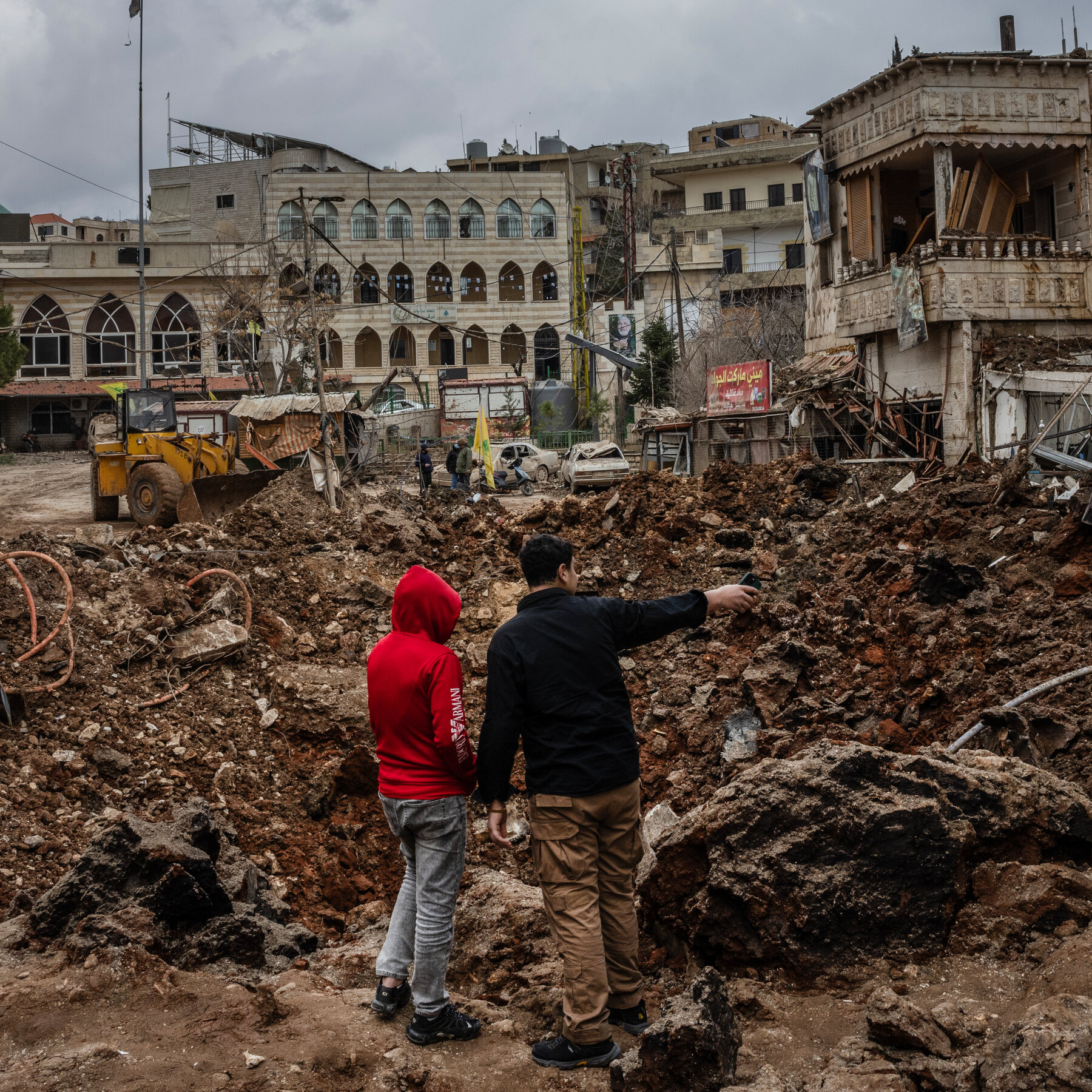
The humanitarian implications of the conflict are already being felt, with thousands of civilians displaced or affected by the fighting. Dr. Ahmed Hassan, a spokesperson for the Red Cross, expressed concern about the growing humanitarian crisis in the region. "We are seeing a significant increase in casualties and displacement, particularly in countries bordering Iran," Dr. Hassan said. "The international community must act quickly to provide humanitarian assistance and to protect civilians from the effects of the conflict."
The economic implications of the conflict are also significant, with the price of oil already beginning to rise in response to the instability in the region. Dr. Sophia Patel, an economist at the World Bank, warned that the conflict could have far-reaching consequences for the global economy. "The Middle East is a critical region for global energy supplies, and any disruption to oil production or transportation could have significant economic implications," Dr. Patel explained. "We are already seeing an increase in oil prices, and this could have a ripple effect throughout the global economy if the conflict is not brought under control quickly."
Diplomatic Efforts
Despite the challenges posed by the conflict, diplomatic efforts are underway to try to bring the fighting to an end. European Union foreign policy chief, Josep Borrell, announced that the EU would be hosting emergency talks in the coming days to try to broker a peace agreement. "The EU is deeply concerned about the conflict in the Middle East and is committed to playing a constructive role in finding a peaceful solution," Borrell said. "We will be working closely with all parties to the conflict to try to find a way forward that meets the needs of all concerned."
The outcome of these diplomatic efforts is uncertain, but experts agree that a peaceful resolution to the conflict is essential to preventing further destabilization in the region. As Dr. Rossi noted, "The Middle East is a complex and volatile region, and conflicts here have a tendency to escalate quickly. It is essential that all parties to the conflict work together to find a peaceful solution, and that the international community provides support and guidance to help bring the fighting to an end."
In conclusion, the conflict in the Middle East sparked by the US and Israel's joint strikes on Iran is a complex and rapidly evolving situation. With multiple countries drawn into the fighting and significant humanitarian and economic implications, the need for a peaceful resolution is urgent. As the international community works to broker a peace agreement, one thing is clear: the consequences of failure could be catastrophic, and the world must come together to prevent further bloodshed and destabilization in the region.