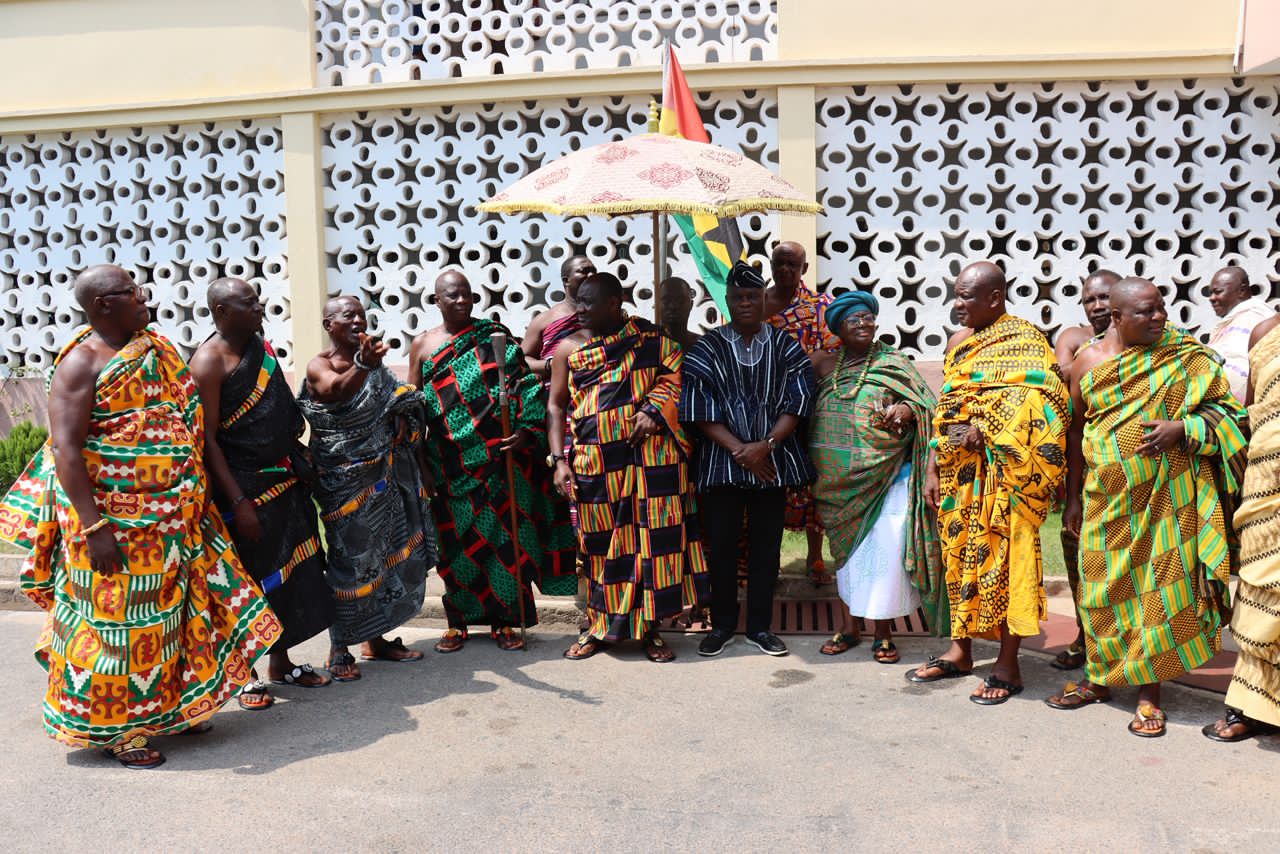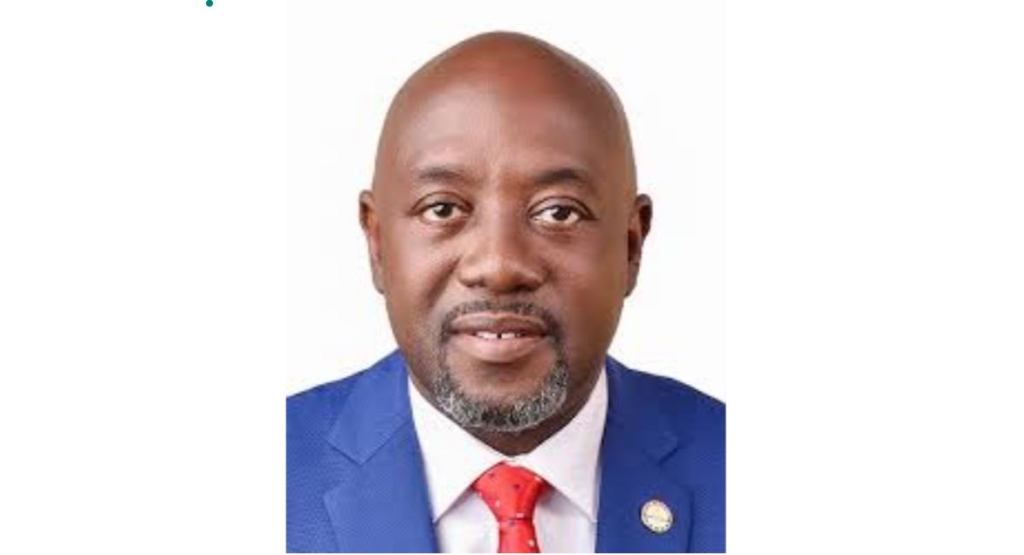
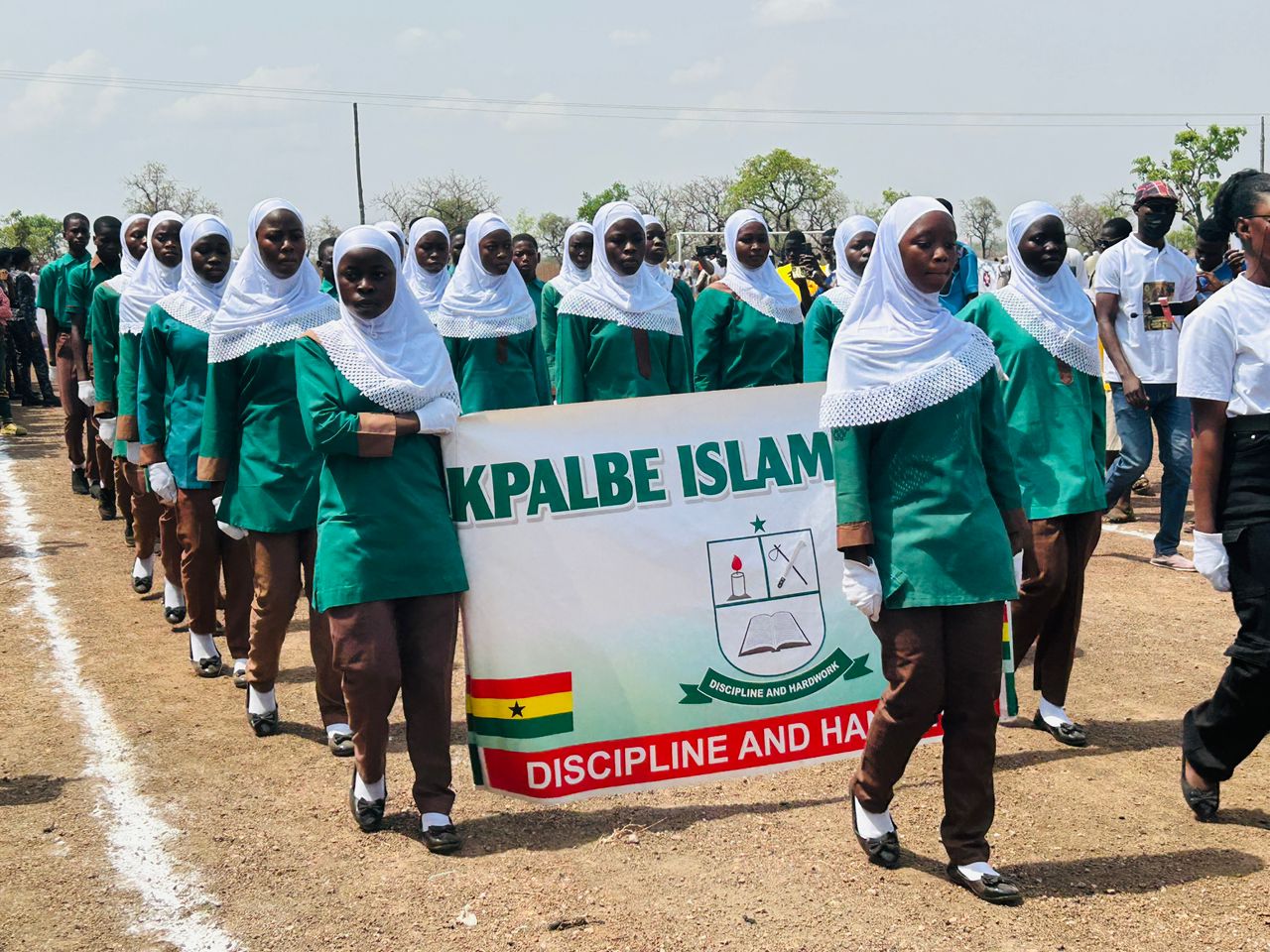
The Member of Parliament for North East Gonja in the Savannah Region, Alhassan Mumuni, has sparked a national conversation by calling for a paradigm shift in how Ghana celebrates its Independence Day. In a speech delivered after the district's Independence Day celebration at Libi, Mumuni emphasized the need for citizens to prioritize community development initiatives over elaborate parades and festivities. This call to action comes as the country reflects on its progress and challenges since gaining independence.
According to Mumuni, the traditional mode of celebrating Independence Day, which often features grand parades and ceremonial events, diverts significant resources away from critical community needs. He argued that these resources could be better utilized to address pressing issues such as infrastructure development, education, and healthcare. Mumuni's remarks have resonated with many, sparking a debate about the true essence of Independence Day celebrations and how they can be made more meaningful and impactful.
The Push for Community Development
Mumuni's vision for community-focused Independence Day celebrations involves channeling resources into tangible development projects that benefit local communities. He cited the example of the 'Schools Under Trees' phenomenon, where students are forced to attend classes under harsh weather conditions due to the lack of proper school infrastructure. Mumuni pledged to work tirelessly to eradicate this phenomenon in his constituency, ensuring that every child has access to a safe and conducive learning environment.
"As we celebrate our independence, let us not forget the thousands of children who are denied their right to quality education due to inadequate infrastructure. It is our collective responsibility to ensure that every child can learn in a safe and dignified environment,"Mumuni stressed.
Experts have weighed in on Mumuni's proposal, with many expressing support for the idea of community-focused celebrations. Dr. Ama Gyamfi, a development expert, noted that
"Independence Day celebrations should be a time for reflection and recommitment to the nation's development goals. By prioritizing community development initiatives, we can create a more inclusive and equitable society that truly reflects the spirit of independence."Gyamfi further emphasized that such an approach would not only enhance the overall quality of life for citizens but also contribute to the country's long-term economic growth and stability.
Addressing the 'Schools Under Trees' Challenge
The 'Schools Under Trees' issue is a longstanding challenge in many parts of Ghana, with thousands of children affected by the lack of proper school infrastructure. Mumuni's pledge to eradicate this phenomenon in his constituency has been welcomed by education stakeholders, who view it as a critical step towards ensuring that every child has access to quality education.
"The 'Schools Under Trees' phenomenon is a stark reminder of the significant gaps in our education system. We need more leaders like Mumuni who are willing to take bold action to address these challenges and create a better future for our children,"said Madam Akua Addo, a education advocate.
To achieve his goal, Mumuni has outlined a multi-faceted approach that involves collaboration with local communities, NGOs, and government agencies. He plans to establish a special task force to identify areas of need and develop targeted interventions to address the infrastructure gap. Additionally, Mumuni aims to mobilize resources from both public and private sources to support the construction of new school buildings and the rehabilitation of existing ones.
As Ghana continues to navigate its development journey, the call for community-focused Independence Day celebrations and the eradication of the 'Schools Under Trees' phenomenon serve as timely reminders of the need for collective action and leadership. By prioritizing the needs of local communities and investing in critical infrastructure, the country can unlock its full potential and create a brighter future for all citizens.
In conclusion, the North East Gonja MP's advocacy for a shift in how Independence Day is celebrated, coupled with his commitment to addressing the 'Schools Under Trees' challenge, marks an important turning point in the national conversation about development and priorities. As the country looks to the future, it is imperative that leaders at all levels embrace this vision and work together to create a more equitable, prosperous, and just society for all Ghanaians. The true spirit of independence lies not in grand celebrations, but in the tangible improvements in the lives of citizens, and it is this spirit that must guide the nation's efforts moving forward.