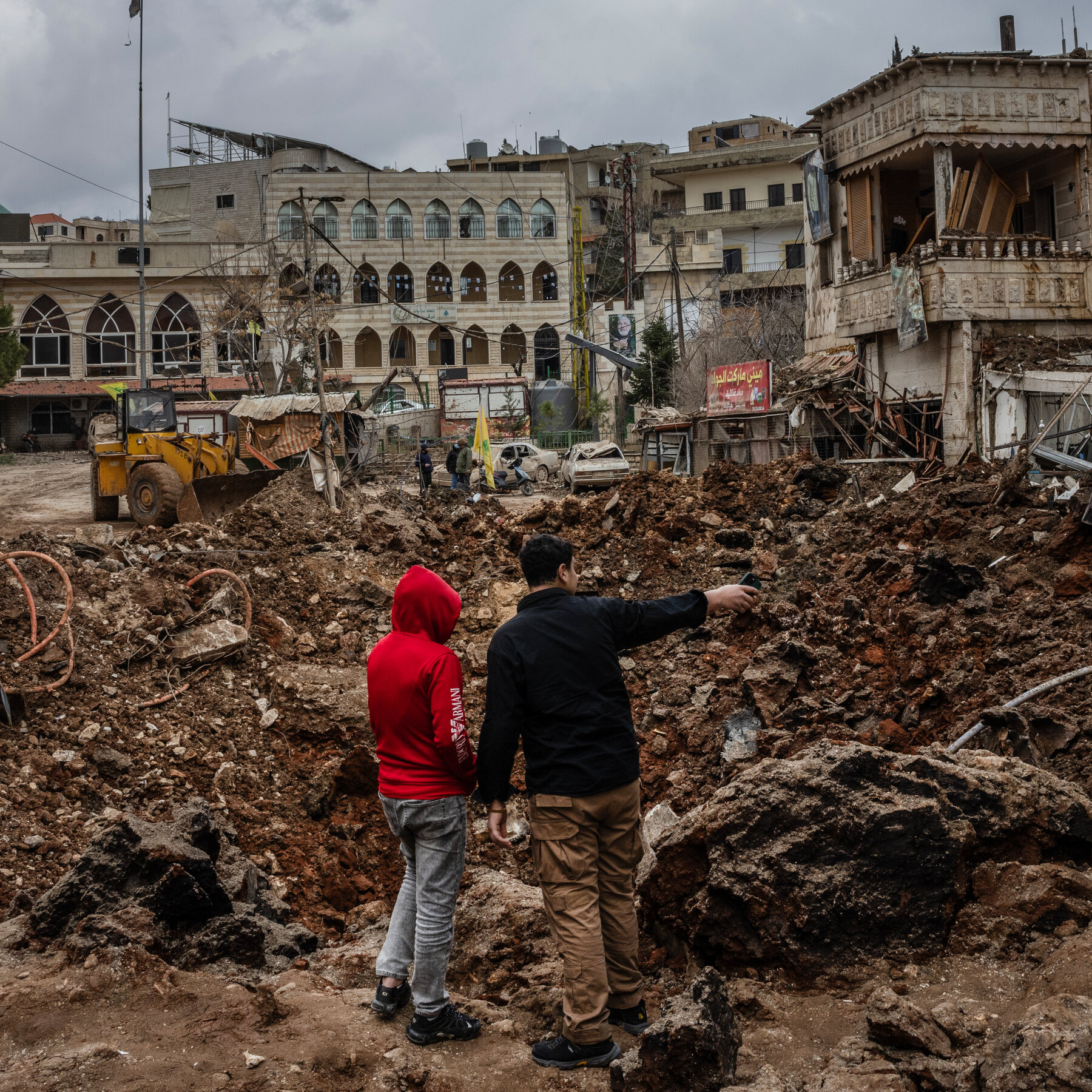
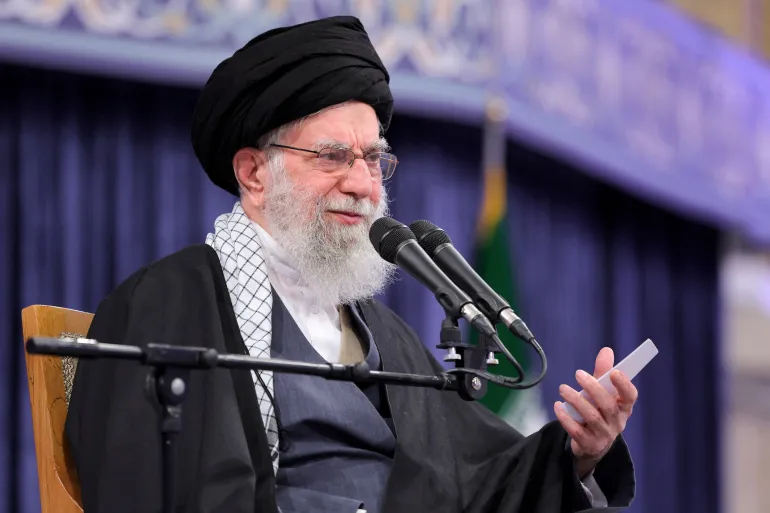
The Embassy of the Islamic Republic of Iran in Accra has taken a significant step in paying tribute to the country's late Supreme Leader, Ali Khamenei, by opening a book of condolence at its premises. This move comes in the wake of recent military attacks involving the United States and Israel, which resulted in the demise of the Iranian leader. The book of condolence is a diplomatic tradition that allows individuals to express their sympathy and pay respects to the deceased and their family.
According to a diplomatic note circulated to Ghana's Ministry of Foreign Affairs, diplomatic missions, and international organisations accredited to the West African country, the Iranian Embassy has invited the public to sign the book of condolence. This gesture is seen as a way for the Iranian government to share its grief with the international community and to allow people to come together in mourning the loss of its Supreme Leader. The book of condolence is expected to be open for a period of time, during which individuals can visit the embassy to sign and leave a message of condolence.
Reactions from the International Community
The death of Supreme Leader Ali Khamenei has sent shockwaves around the world, with many countries and international organisations expressing their condolences to the people and government of Iran.
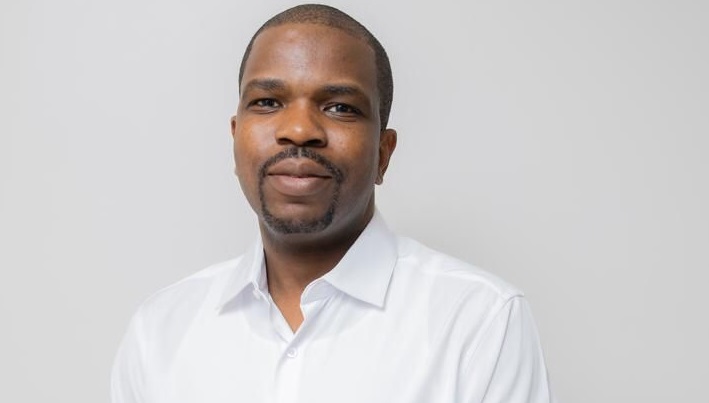
"The death of Supreme Leader Ali Khamenei is a significant loss for Iran and the international community,"said Dr. Ama Gyamera, a senior research fellow at the Centre for International Governance Innovation.
"As a key figure in Iranian politics, his passing will have far-reaching implications for the country's domestic and foreign policies."Dr. Gyamera added that the opening of the book of condolence by the Iranian Embassy in Ghana is a symbolic gesture that highlights the importance of diplomatic relations and international cooperation in times of grief.
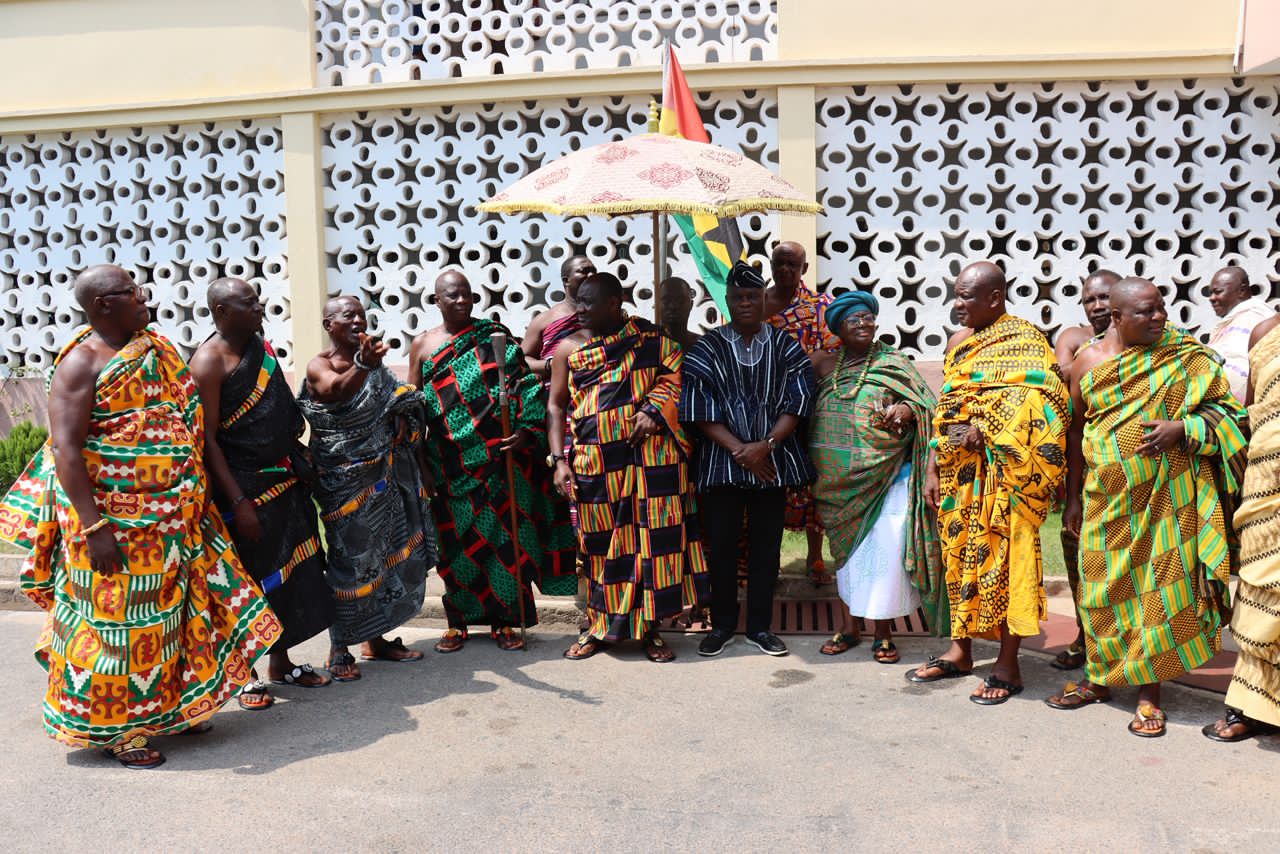
The Ghanaian government has also expressed its condolences to the Iranian government and people, with the Ministry of Foreign Affairs issuing a statement that described the late Supreme Leader as a prominent figure in global politics. The statement also reiterated Ghana's commitment to maintaining good relations with Iran and other countries around the world.
"Ghana and Iran have enjoyed cordial relations over the years, and we will continue to work together to promote peace, stability, and development in our regions and beyond,"said a spokesperson for the Ministry of Foreign Affairs.
Implications for Regional and Global Security
The death of Supreme Leader Ali Khamenei and the subsequent opening of the book of condolence by the Iranian Embassy in Ghana have significant implications for regional and global security. The Middle East region is already volatile, with ongoing conflicts in countries such as Syria, Yemen, and Libya. The power vacuum created by the death of the Iranian leader could lead to further instability in the region, as different factions and countries jockey for influence and power. The international community will be watching developments in Iran and the region closely, as they try to navigate the complex web of alliances and rivalries that define the Middle East.
According to security expert, Colonel Emmanuel Wekem, the situation in the Middle East requires careful handling to prevent further escalation of violence and conflict.
"The death of Supreme Leader Ali Khamenei has created a power vacuum that could be exploited by extremist groups and other actors in the region,"Colonel Wekem said.
"It is essential for the international community to work together to promote peace and stability in the region, and to support efforts to find a lasting solution to the conflicts that have plagued the Middle East for decades."
In conclusion, the opening of the book of condolence by the Iranian Embassy in Ghana is a significant development that highlights the importance of diplomatic relations and international cooperation in times of grief. As the world mourns the passing of Supreme Leader Ali Khamenei, it is essential for the international community to come together to promote peace, stability, and development in the Middle East and beyond. The future of the region and the world will depend on the ability of countries to work together to address the complex challenges that we face, and to find solutions that promote the well-being and prosperity of all people.