Beirut, Lebanon – The Lebanese government has vehemently condemned an attack on a base belonging to the United Nations Interim Force in Lebanon (UNIFIL) in the country's southern region, an incident that left several peacekeepers, including Ghanaian personnel, injured. In a strongly worded statement issued by its Ministry of Foreign Affairs and Emigrants on March 7, Beirut denounced the assault as a "serious violation of international law" and reiterated its commitment to the safety and security of UN forces operating within its borders.
The condemnation underscores the gravity with which Lebanon views any aggression against the multinational peacekeeping force, which has been a crucial pillar of stability along its southern border for decades. The incident has prompted widespread concern, both domestically and internationally, regarding the safety of peacekeepers and the adherence to international humanitarian law in a volatile region.
Beirut's Strong Condemnation
The Ministry of Foreign Affairs and Emigrants, through its official statement, unequivocally expressed its rejection of the attack, which it described as an affront to international norms and principles. The statement emphasized Lebanon’s unwavering support for UNIFIL's mandate and its personnel, who often operate under challenging circumstances to maintain peace and security.
"The Ministry of Foreign Affairs and Emigrants of Lebanon condemns in the strongest possible terms the attack on the UNIFIL base in southern Lebanon, which resulted in injuries to several peacekeepers," the statement read. "This constitutes a serious violation of international law and undermines the vital work of the United Nations in preserving stability. Lebanon remains fully committed to ensuring the safety and security of all UNIFIL personnel and will spare no effort in cooperating with the international community to investigate this heinous act and bring the perpetrators to justice."
A senior official within the Lebanese Foreign Ministry, speaking on condition of anonymity due to the ongoing investigation, further elaborated on the government's stance. "Attacks on peacekeepers are unacceptable under any circumstances," the official stated. "They are a direct challenge to the international order and the efforts to foster peace. Our government is in close contact with UNIFIL command and relevant international bodies to ensure a comprehensive investigation is launched immediately."
Details of the Incident
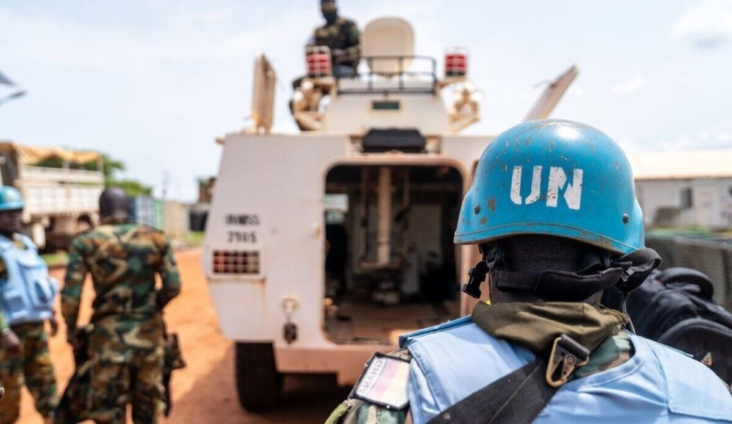
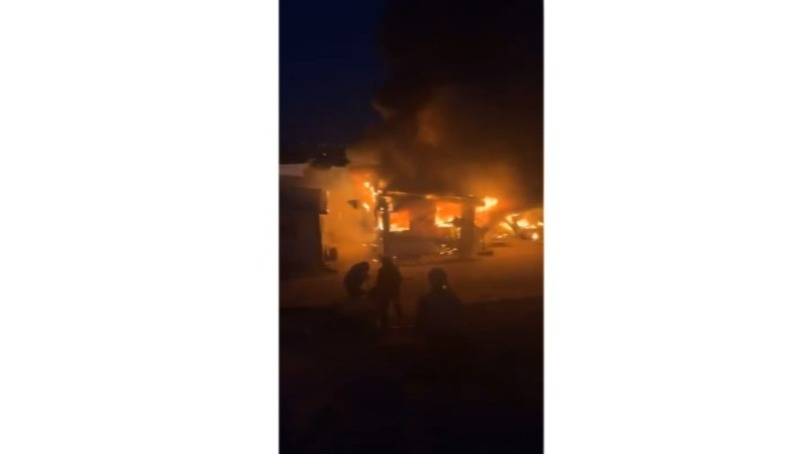
While specific details regarding the exact nature of the attack and the identities of the perpetrators remain under investigation, preliminary reports indicate that the UNIFIL base came under fire or was targeted by an explosive device, leading to injuries among the peacekeepers stationed there. The mission confirmed that several personnel required medical attention, with some identified as belonging to the Ghanaian contingent, a long-standing and respected contributor to UNIFIL.
The incident has sent ripples of concern through the diplomatic community, particularly among nations contributing troops to UNIFIL. Ghana, a steadfast partner in global peacekeeping efforts, is reportedly monitoring the situation closely and providing support to its injured personnel.
"Our primary concern is the well-being of our brave men and women serving under the UN flag," stated Ambassador Akwasi Mensah, Ghana's Permanent Representative to the United Nations, in a virtual briefing. "We condemn this attack unequivocally and call for a swift and thorough investigation. Those responsible must be held accountable. The sacrifices made by peacekeepers, including our Ghanaian soldiers, for global peace and security must be respected and protected."
UNIFIL's Crucial Mandate
UNIFIL was established in 1978 by the UN Security Council to confirm the withdrawal of Israeli forces from Lebanon, restore international peace and security, and assist the Lebanese government in restoring its effective authority in the area. Its mandate has been periodically updated, notably after the 2006 conflict, to monitor the cessation of hostilities, accompany and support the Lebanese Armed Forces (LAF) in southern Lebanon, and help ensure humanitarian access.
The force, comprising nearly 10,000 peacekeepers from dozens of countries, plays a vital role in maintaining the fragile peace along the Blue Line, the demarcation line between Lebanon and Israel. Attacks against UNIFIL personnel are not only a violation of international law but also threaten to destabilize a region already prone to conflict.
Calls for Accountability and Protection
The international community has largely echoed Lebanon's call for accountability. Stéphane Dujarric, Spokesperson for the UN Secretary-General, emphasized the UN's unwavering commitment to its peacekeepers and the importance of their safety. "Attacks on peacekeepers are unacceptable and may constitute war crimes," Dujarric stated in a press briefing, reiterating the need for all parties to respect UNIFIL's freedom of movement and the inviolability of its premises.
Security analysts highlight the critical need for robust investigations to deter future incidents. "Impunity for attacks on peacekeepers creates a dangerous precedent," noted Dr. Lena Hassan, a Beirut-based expert on international law and security. "Lebanon's strong condemnation is vital, as is the full cooperation of all actors on the ground to identify and prosecute those responsible. The integrity of peacekeeping operations depends on it."
Regional Instability and Peacekeeping Challenges
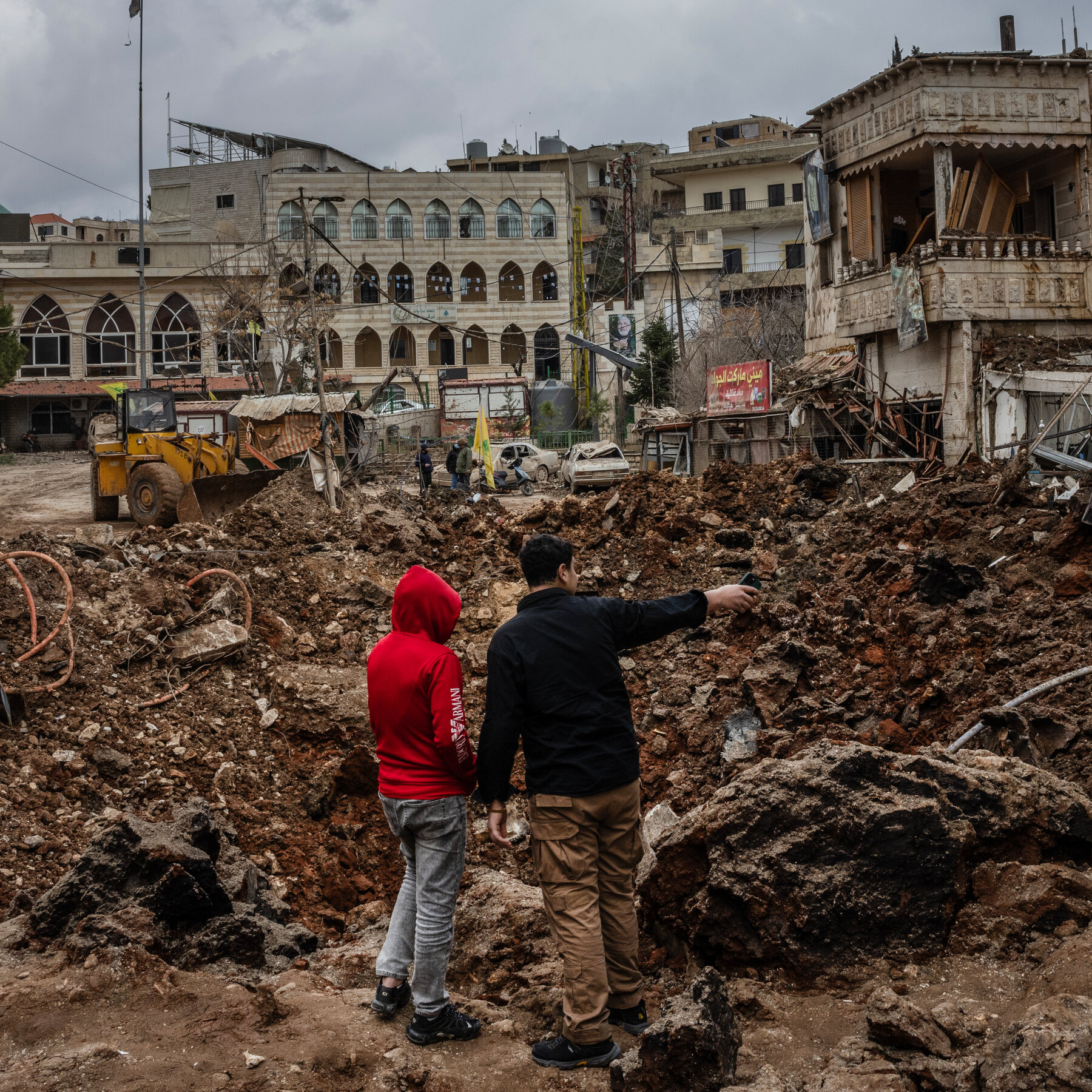
The incident occurs against a backdrop of ongoing regional tensions and domestic challenges within Lebanon. The southern border region, while relatively calm under UNIFIL's watchful eye, remains a sensitive area. The presence of various armed groups and the complex political landscape contribute to an environment where peacekeepers must constantly navigate potential threats.
UNIFIL personnel are often caught between different factions, their mission requiring delicate diplomacy alongside robust security protocols. The latest attack serves as a stark reminder of the inherent dangers faced by those dedicated to peacekeeping and the constant need for vigilance and support from host nations and the international community.
As investigations proceed, the focus remains on ensuring the full recovery of the injured peacekeepers and reinforcing the security measures for all UNIFIL contingents. The Lebanese government has pledged its full cooperation with UNIFIL and the United Nations to uphold its international obligations and to prevent similar incidents from jeopardizing the critical mission of peace in southern Lebanon.