The United States government has confirmed that Russia and Iran are engaging in intelligence sharing, a development that has significant implications for global security. According to US officials, the two countries are exchanging sensitive information, potentially bolstering their respective military capabilities and undermining Western interests. This revelation has sparked concerns among policymakers and experts, who warn that such cooperation could embolden both nations to pursue more aggressive behaviors.
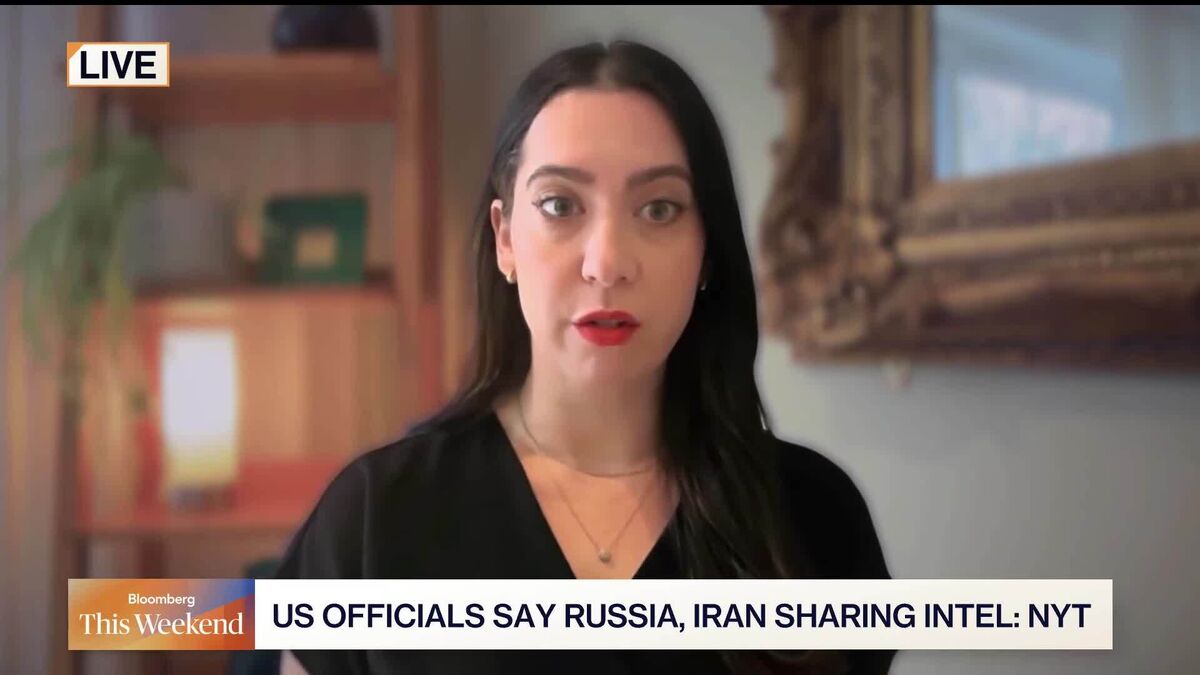
During an appearance on Bloomberg This Weekend, Bloomberg Economics Defense Lead Becca Wasser discussed the intelligence sharing between Russia and Iran with hosts David Gura and Christina Ruffini. Wasser noted that the partnership is likely driven by mutual interests, including a desire to counter US influence and promote their own regional agendas.
"The fact that Russia and Iran are sharing intelligence suggests a level of trust and cooperation that we haven't seen before,"Wasser said.
"This partnership has the potential to alter the balance of power in key regions, including the Middle East and Eastern Europe."
Implications for Global Security
The confirmation of Russia-Iran intelligence sharing has far-reaching implications for global security. By pooling their resources and expertise, both countries can enhance their military capabilities, making them more formidable opponents for the US and its allies. Russia's advanced military technology and Iran's extensive network of proxies in the Middle East could become even more potent when combined. This cooperation could also enable them to better counter Western sanctions and other forms of economic pressure.
Experts warn that the Russia-Iran partnership could lead to increased instability in regions such as Ukraine, Syria, and the Persian Gulf. Dr. Anna Borshchevskaya, a senior fellow at the Washington Institute for Near East Policy, noted that
"the alliance between Russia and Iran is a marriage of convenience, driven by their shared interests in undermining US influence and promoting their own agendas."She added that
"this partnership will likely lead to more aggressive behaviors from both countries, potentially drawing in other regional actors and escalating conflicts."
US Response and Policy Implications
The US government has not officially commented on the Russia-Iran intelligence sharing, but officials have expressed concerns about the potential consequences. Senator Jim Risch, chairman of the Senate Foreign Relations Committee, stated that
"the US must take a strong stance against this cooperation, using all available tools to counter the negative impacts on our national security and interests."He emphasized the need for a comprehensive strategy to address the challenges posed by the Russia-Iran partnership, including enhanced sanctions, diplomatic efforts, and military preparedness.
Other experts argue that the US should focus on strengthening its alliances and partnerships in regions where Russia and Iran are active. Dr. Michael Kofman, a senior research scientist at the Center for Naval Analyses, suggested that
"the US should prioritize building stronger relationships with countries such as Ukraine, Georgia, and Israel, which are directly affected by Russian and Iranian aggression."He also recommended that the US
"enhance its military presence and capabilities in key regions, demonstrating a commitment to defending its interests and those of its allies."
Conclusion and Future Outlook
The confirmation of Russia-Iran intelligence sharing marks a significant development in the global security landscape. As the US and its allies navigate this new reality, they must prioritize a coordinated and effective response to counter the negative impacts of this cooperation. By strengthening alliances, enhancing military capabilities, and promoting diplomatic efforts, the US can mitigate the risks posed by the Russia-Iran partnership and promote a more stable and secure world. As Becca Wasser noted,
"the key to addressing this challenge lies in a robust and sustained response from the US and its allies, one that demonstrates a commitment to defending our interests and values in the face of evolving threats."Ultimately, the success of this response will depend on the ability of the US and its partners to adapt to the changing global security environment and address the complex challenges posed by the Russia-Iran alliance.