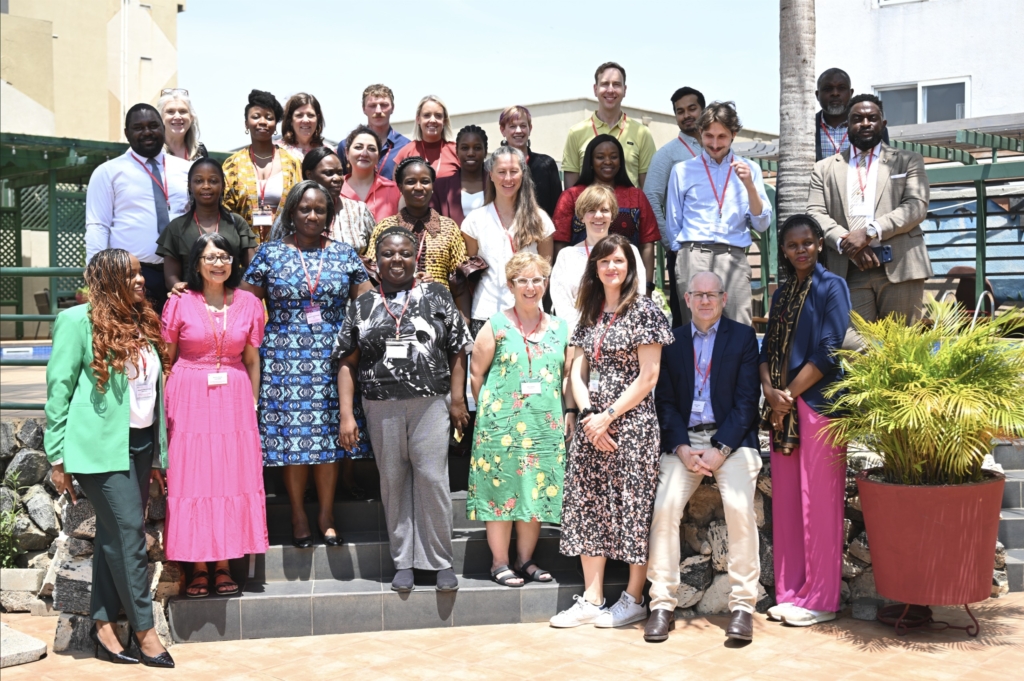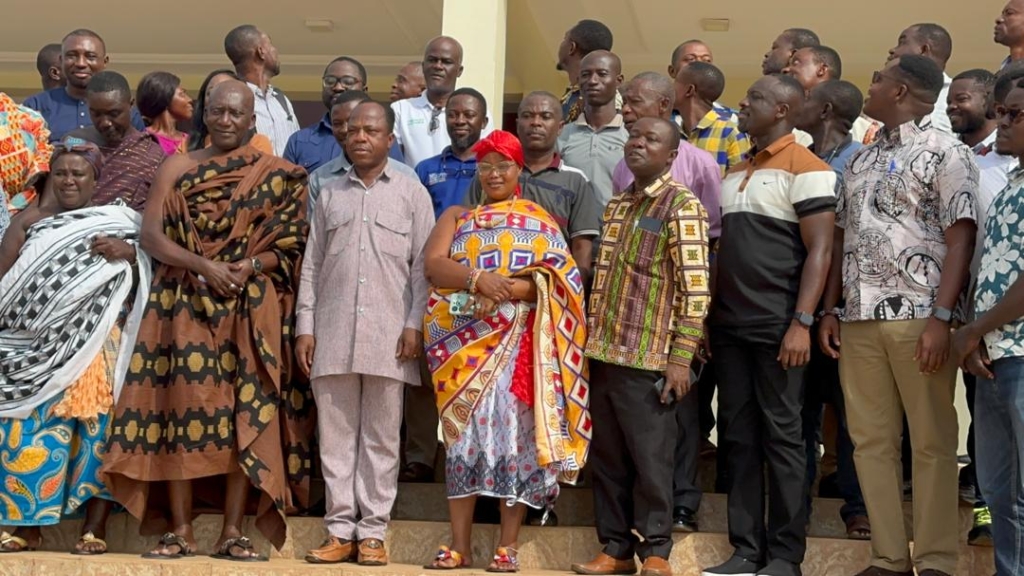
The quest for sustainable rural water infrastructure and management in Ghana has taken a significant step forward with the recent convening of a Regional Learning Alliance Platform (RLAP) meeting by IRC Ghana, in collaboration with the Ahafo Regional Coordinating Council (RCC). Held at Goaso, the meeting was made possible with funding from the Conrad N. Hilton Foundation, underscoring the foundation's commitment to improving access to clean water and sanitation in disadvantaged communities. The primary objective of the RLAP meeting was to validate a new draft Operation and Maintenance (O&M) Framework, designed to ensure the longevity and effectiveness of rural water systems.
Background and Context
Access to clean and reliable water is a fundamental human right, yet many rural communities in Ghana struggle with inadequate water infrastructure and management. This challenge is compounded by the lack of a comprehensive framework for the operation and maintenance of water systems, leading to frequent breakdowns and service disruptions. Recognizing this gap, IRC Ghana, a leading organization in the water, sanitation, and hygiene (WASH) sector, partnered with the Ahafo RCC to develop a tailored O&M Framework. This framework aims to provide a structured approach to managing rural water systems, ensuring that they are efficient, sustainable, and meet the needs of local communities.
According to Dr. Francisca Darko, IRC Ghana's Program Manager, "The development of this O&M Framework is a critical step towards achieving sustainable rural water services. It's not just about installing new systems; it's about ensuring that these systems continue to function effectively over time, which requires a well-planned and resourced operation and maintenance strategy."
Key Discussions and Outcomes
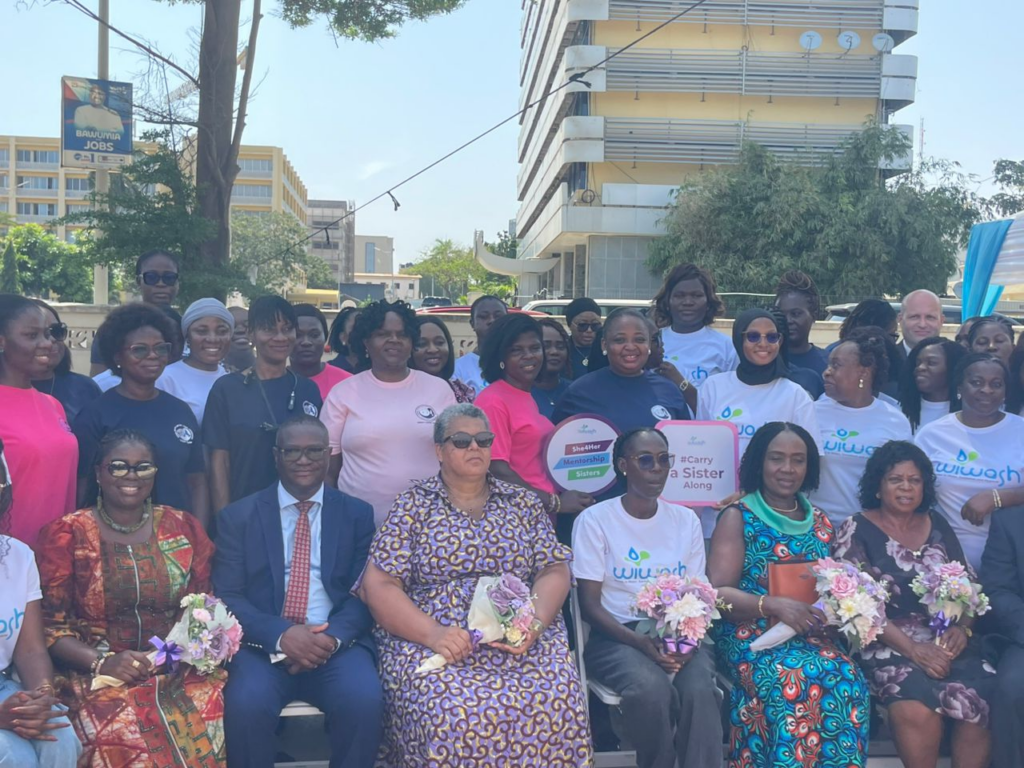
The RLAP meeting brought together a diverse range of stakeholders, including representatives from district assemblies, water utility companies, community leaders, and technical experts. Through a series of presentations, group discussions, and feedback sessions, participants reviewed the draft O&M Framework, providing valuable insights and recommendations for its improvement.
"The feedback from participants has been invaluable. It's clear that there's a strong appetite for a framework that can help address the operational and maintenance challenges facing our rural water systems,"noted Mr. George Yamoah, Director of the Ahafo RCC's Environmental Health and Sanitation Directorate.
Among the key discussions were the importance of community engagement and participation in water management, the need for robust monitoring and evaluation systems, and the role of district assemblies in supporting the operation and maintenance of rural water infrastructure. Participants also emphasized the need for capacity building and training for local water management teams to ensure they have the necessary skills and knowledge to effectively manage and maintain water systems.
Way Forward
With the validation of the draft O&M Framework, IRC Ghana and the Ahafo RCC will proceed to finalize the document, incorporating the feedback and suggestions received during the RLAP meeting. The finalized framework will then be rolled out across the region, with support provided to district assemblies and local water management teams to implement its recommendations. As emphasized by Mr. Yamoah, "This is not the end of the process but the beginning. We look forward to working closely with all stakeholders to ensure that our rural water systems are well-managed, sustainable, and provide reliable services to our communities."
The collaboration between IRC Ghana, the Ahafo RCC, and the Conrad N. Hilton Foundation on this initiative is a testament to the power of partnership in driving positive change. As Ghana continues to work towards achieving the Sustainable Development Goals (SDGs), particularly SDG 6, which focuses on clean water and sanitation, such efforts are crucial. By strengthening rural water systems and promoting sustainable management practices, Ghana can make significant strides in improving the health, well-being, and economic prospects of its rural communities.
In conclusion, the RLAP meeting convened by IRC Ghana and the Ahafo RCC marks an important milestone in the journey towards sustainable rural water infrastructure and management in Ghana. With a validated O&M Framework on the horizon, the stage is set for improved water services, enhanced community resilience, and a brighter future for rural communities across the region. As the country moves forward, it will be essential to build on this momentum, fostering a culture of collaboration, innovation, and continuous improvement in the WASH sector to ensure that no community is left behind in the pursuit of clean water and sanitation for all.