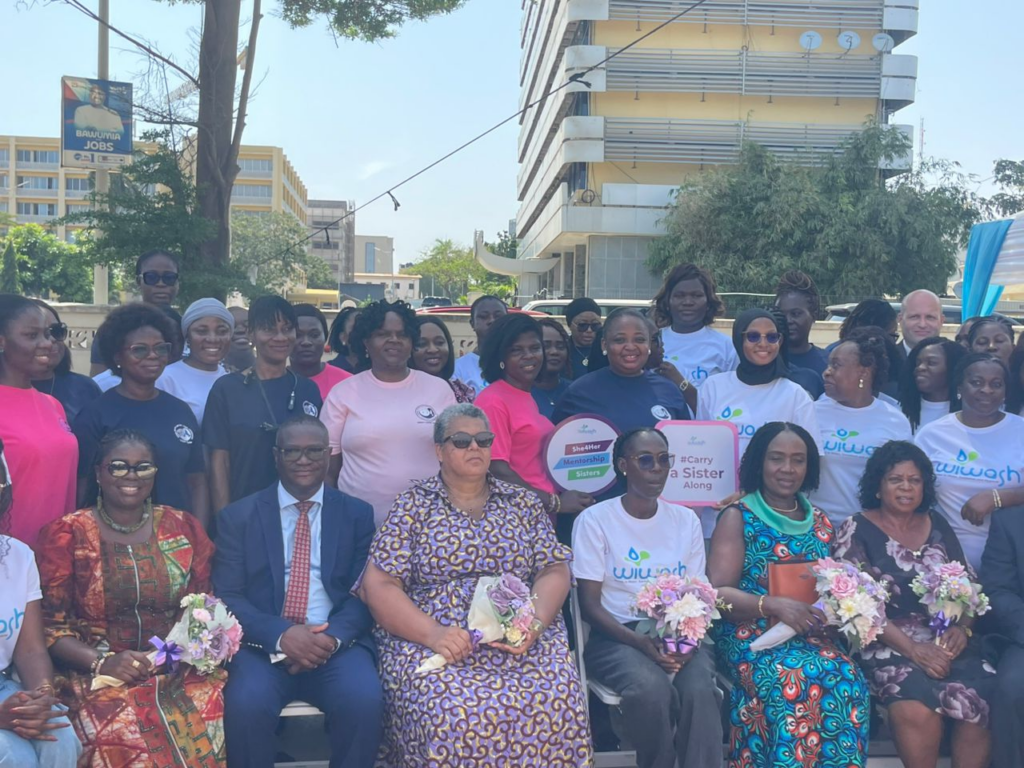
Ghana is facing a severe water pollution crisis, with its water bodies being contaminated with plastic waste, chemicals, and other pollutants, posing a significant threat to the health and well-being of its citizens. In a bid to address this issue, women have been urged to take a leading role in promoting responsible water use and strengthening communication between water service providers and customers. According to Dr. Ama Okyere, a water expert at the Ghana Water Institute, women are critical to the success of any initiative aimed at promoting sustainable water use, as they are often the primary users of water in households and communities.
The call for women to lead responsible water use comes at a time when Ghana's water bodies are facing unprecedented levels of pollution. The Ghana Water Company Limited has reported a significant increase in the amount of waste and pollutants found in the country's water bodies, including rivers, lakes, and wetlands. This has resulted in the contamination of drinking water sources, posing a significant risk to public health.
"The situation is dire, and we need to take immediate action to address the issue of water pollution in Ghana," said Ms. Adjoa Addo, a water activist. "Women have a critical role to play in promoting responsible water use, and we must empower them to take on this challenge."
The Role of Women in Promoting Responsible Water Use
Women are often the primary users of water in households and communities, and as such, they have a critical role to play in promoting responsible water use. Dr. Okyere noted that women can make a significant impact by adopting simple practices such as using water-efficient appliances, fixing leaks, and reducing water waste. Additionally, women can play a key role in educating their families and communities about the importance of responsible water use and the impact of pollution on the environment and public health.
The Ministry of Sanitation and Water Resources has launched a number of initiatives aimed at promoting responsible water use and reducing pollution. These initiatives include public education campaigns, community outreach programs, and the development of policies and regulations to govern water use. However, Ms. Addo noted that more needs to be done to empower women to take on a leading role in promoting responsible water use.
"We need to provide women with the training, resources, and support they need to effectively promote responsible water use and address the issue of water pollution," she said.
Strengthening Communication between Water Service Providers and Customers
Another critical area where women can make a significant impact is in strengthening communication between water service providers and customers. Dr. Okyere noted that women can play a key role in facilitating dialogue between water service providers and customers, ensuring that the needs of communities are met, and that water service providers are held accountable for providing safe and reliable water services. This can be achieved through the establishment of community-based water management committees, which can provide a platform for women to engage with water service providers and advocate for the needs of their communities.
The Ghana Water Company Limited has recognized the importance of strengthening communication between water service providers and customers and has established a number of community-based water management committees. However, Ms. Addo noted that more needs to be done to ensure that these committees are effective and that women are empowered to take on a leading role.
"We need to ensure that women have a seat at the table and are able to participate fully in decision-making processes related to water management," she said.
Conclusion
In conclusion, the issue of water pollution in Ghana is a critical one that requires immediate attention. Women have a critical role to play in promoting responsible water use and strengthening communication between water service providers and customers. By empowering women to take on a leading role in addressing the issue of water pollution, Ghana can make significant progress in reducing pollution and ensuring that its citizens have access to safe and reliable water services. As Dr. Okyere noted,
"The future of Ghana's water resources depends on our ability to work together to address the issue of water pollution. Women are critical to this effort, and we must empower them to take on this challenge."
As Ghana continues to grapple with the issue of water pollution, it is clear that a multi-faceted approach is needed to address the problem. By promoting responsible water use, strengthening communication between water service providers and customers, and empowering women to take on a leading role, Ghana can make significant progress in reducing pollution and ensuring that its citizens have access to safe and reliable water services. The Ghanaian government and other stakeholders must prioritize the issue of water pollution and work together to address the challenge. The future of Ghana's water resources depends on it.