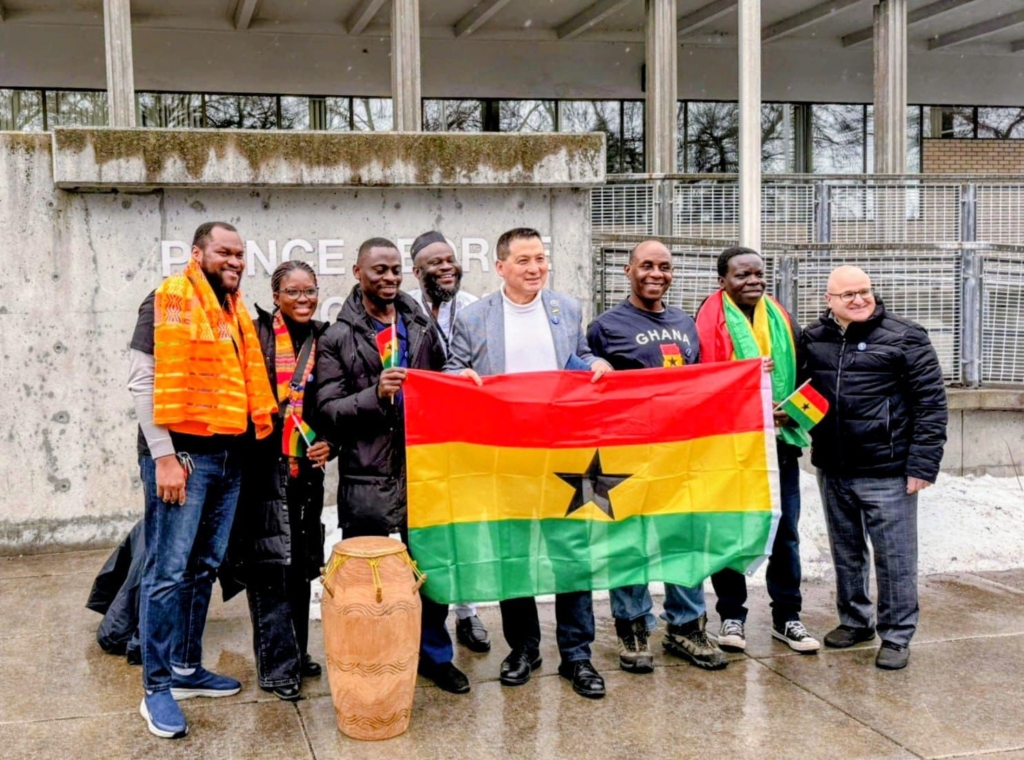
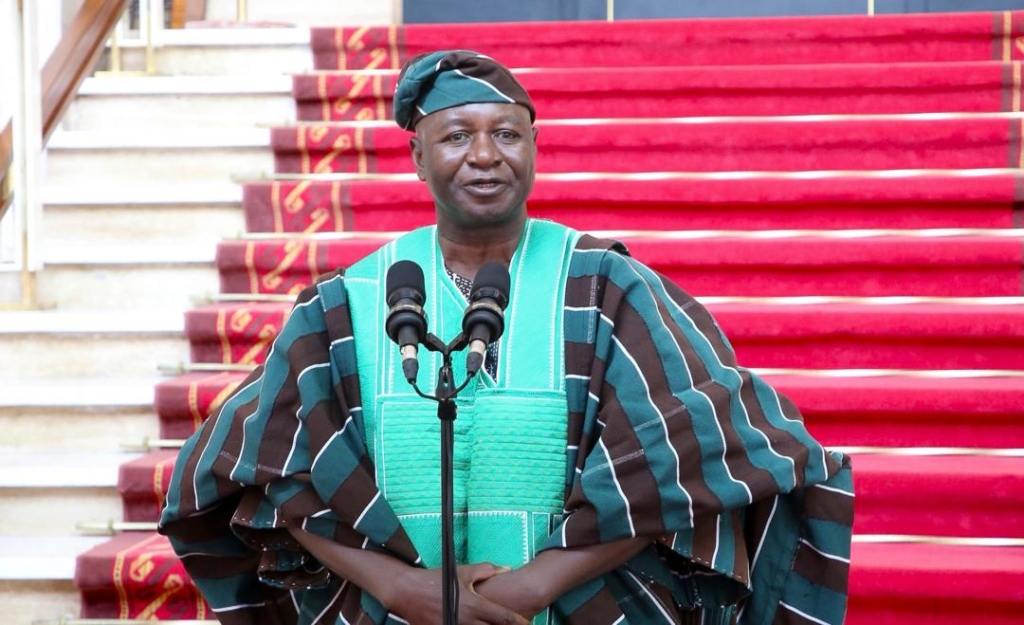
Ghana marked its 69th independence anniversary on March 6 with a celebration at the Ambassador's residence in Abidjan, Côte d'Ivoire, where Ambassador Alhassan Abu emphasized the need for a renewed commitment to national development, unity, and global justice. The event, attended by members of the diplomatic corps, government representatives from Côte d'Ivoire, and leaders of the Ghanaian community, served as a reminder of the country's rich history and its aspirations for a brighter future.
As Ghana reflects on its 69 years of independence, Ambassador Abu's message highlighted the importance of collective effort in building a prosperous and just society. According to Ambassador Abu, "As we celebrate our independence, we must also recognize the challenges that lie ahead and work together to address them. We must build prosperity and restore hope for the future generations of Ghanaians." The Ambassador's call to action resonated with the audience, who acknowledged the need for a unified approach to tackling the country's development challenges.
The Significance of Ghana's Independence
Ghana's independence, achieved on March 6, 1957, marked a significant milestone in the country's history, as it became the first sub-Saharan African nation to gain independence from colonial rule. The country's journey to independence was led by Dr. Kwame Nkrumah, a charismatic leader who played a key role in the country's struggle for freedom. Today, Ghana continues to be a beacon of hope and democracy in the region, with a strong tradition of peaceful transfers of power and a vibrant civil society.
According to Dr. Ama Biney, a Ghanaian historian and expert on African studies, "Ghana's independence is a testament to the country's resilience and determination to self-governance. As we celebrate this milestone, we must also acknowledge the challenges that the country has faced and the progress that has been made towards building a more just and equitable society." Dr. Biney added that Ghana's independence has also inspired other African countries to strive for self-governance and freedom.
Celebrations in Abidjan
The celebration in Abidjan, which marked Ghana's 69th independence anniversary, brought together a diverse group of stakeholders, including members of the diplomatic corps, government representatives from Côte d'Ivoire, and leaders of the Ghanaian community. The event featured a range of activities, including a flag-raising ceremony, cultural performances, and a keynote address by Ambassador Abu.
"We are proud to celebrate Ghana's independence in Côte d'Ivoire, a country with which we share a strong bond of friendship and cooperation,"said Ambassador Abu.
The celebration also provided an opportunity for the Ghanaian community in Côte d'Ivoire to come together and reflect on their heritage and traditions. Ms. Akua Mensah, a Ghanaian resident in Abidjan, said, "The celebration was a wonderful experience, as it brought back memories of my childhood in Ghana. It was great to see so many people from different backgrounds coming together to celebrate our independence." Ms. Mensah added that the event also provided a platform for the Ghanaian community to network and build relationships with other stakeholders in Côte d'Ivoire.
Looking to the Future
As Ghana looks to the future, the country faces a range of challenges, including poverty, inequality, and climate change. However, with its strong tradition of democracy and a vibrant civil society, Ghana is well-placed to address these challenges and build a more prosperous and just society. According to Mr. Kwame Jantuah, a Ghanaian economist, "Ghana has made significant progress in recent years, but there is still much work to be done to address the country's development challenges. We need to invest in education, healthcare, and infrastructure, and promote private sector growth and development."
In conclusion, Ghana's 69th independence anniversary celebration in Abidjan served as a reminder of the country's rich history and its aspirations for a brighter future. As Ambassador Abu said, "We must build prosperity and restore hope for the future generations of Ghanaians." With its strong tradition of democracy and a vibrant civil society, Ghana is well-placed to address its development challenges and build a more just and equitable society. As the country looks to the future, it is clear that the spirit of independence and self-determination that has guided Ghana since 1957 will continue to inspire generations to come.