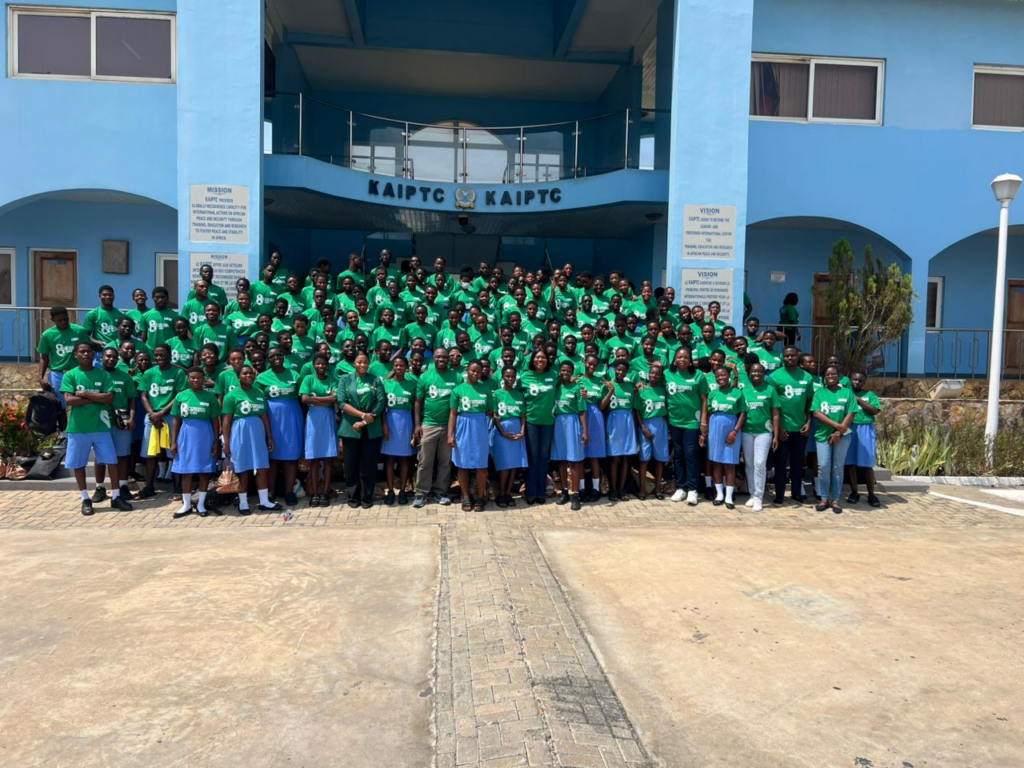
The call for greater youth involvement in advancing gender equality has been sounded by a senior official at the Kofi Annan International Peacekeeping Training Centre (KAIPTC), emphasizing that lasting peace, security, and development are inextricably linked to the full participation of women and girls. This appeal underscores the critical role that young people must play in championing gender equality, recognizing that their energy, perspectives, and commitment are essential for driving meaningful change.
At the heart of this initiative is the understanding that gender equality is not merely a moral imperative, but a fundamental prerequisite for achieving sustainable peace and development. The KAIPTC, renowned for its work in peacekeeping, conflict prevention, and peacebuilding, is poised to leverage its expertise and resources to empower young people, particularly in regions where gender disparities are most pronounced. By fostering a culture of inclusivity and gender sensitivity among youth, the Centre aims to equip them with the knowledge, skills, and motivation necessary to become agents of change in their communities.
The Imperative of Youth Engagement
According to Dr. Emma Birikorang, Deputy Director of the KAIPTC, "The engagement of young people in gender equality efforts is no longer a choice, but a necessity. Youth are not just the future; they are the present. Their participation is crucial for challenging traditional gender roles and stereotypes that perpetuate inequality and for promoting a culture of respect, empathy, and understanding." Dr. Birikorang further emphasized that, "By empowering young people, especially young women, we can unlock their potential to become leaders and change-makers, capable of driving transformational change in their societies."
"Youth have the power to redefine what is possible and to challenge the status quo. They must be at the forefront of efforts to advance gender equality, not just as beneficiaries, but as leaders and drivers of change,"said Ama Kudom-Agyemang, a gender expert and advisor to the KAIPTC. This perspective is echoed by many in the field, who believe that the active participation of young people is essential for creating a more just and equitable society.
The KAIPTC's push for greater youth engagement in gender equality aligns with the United Nations' Sustainable Development Goals (SDGs), particularly SDG 5, which focuses on achieving gender equality and empowering all women and girls. The Centre's initiative also complements the African Union's Africa 2063 Agenda, which envisions an integrated, prosperous, and peaceful Africa, driven by its own citizens, including youth and women.
Strategies for Engagement
To effectively engage young people in the pursuit of gender equality, the KAIPTC plans to implement a multifaceted approach. This includes capacity-building programs designed to equip youth with the knowledge and skills necessary to advocate for gender equality and to challenge gender-based discrimination. The Centre will also facilitate networking opportunities, bringing together young people from diverse backgrounds to share experiences, best practices, and strategies for advancing gender equality.
Community outreach and sensitization programs are another key component of the KAIPTC's strategy, aiming to raise awareness about the importance of gender equality and to promote positive gender roles and relationships within communities. Furthermore, the Centre will support research and policy analysis focused on youth and gender issues, providing evidence-based recommendations for policymakers and practitioners seeking to address gender disparities.
Challenges and Opportunities
While the KAIPTC's initiative to engage youth in gender equality efforts presents significant opportunities for progress, it also encounters challenges. These include societal and cultural barriers that often hinder young people's ability to challenge traditional gender norms and resource constraints that can limit the scope and impact of gender equality programs. Nonetheless, the Centre remains optimistic about the potential for meaningful change, citing the resilience and creativity of young people as key factors that can overcome these challenges.
In conclusion, the KAIPTC's call for greater youth engagement in gender equality is a timely reminder of the critical role that young people must play in shaping a more equitable future. As the world continues to grapple with the complexities of gender inequality, initiatives like those undertaken by the KAIPTC offer a beacon of hope, demonstrating that through collective effort and determination, a brighter, more inclusive future is within reach. The journey ahead will undoubtedly be challenging, but with the energy, passion, and commitment of youth at the forefront, the prospects for achieving sustainable peace, security, and development have never been more promising.