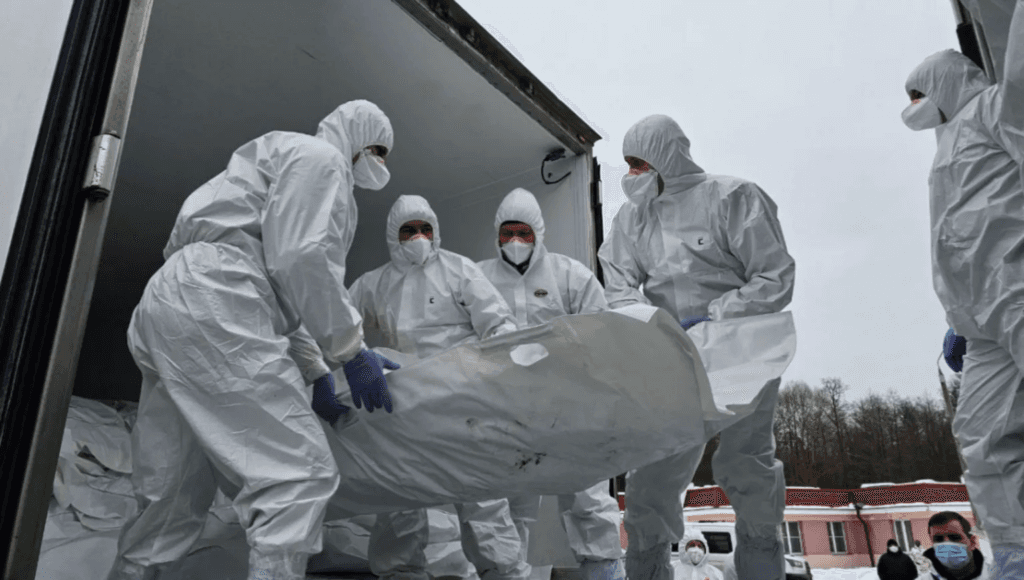
The exchange took place through a designated corridor, with the bodies being transported under the supervision of international observers to ensure their safe passage. According to officials, the process was carried out in a dignified and respectful manner, with both sides adhering to established protocols for handling human remains. The successful completion of this exchange has been welcomed by officials and experts, who see it as a vital step towards addressing the humanitarian aspects of the conflict.
Humanitarian Imperative
The exchange of deceased soldiers' bodies is a pressing humanitarian issue, as it allows families to bury their loved ones with dignity and closure. Dr. Maria Zubova, a leading expert on international humanitarian law, emphasized the importance of this aspect, stating, "The return of deceased soldiers' bodies is a fundamental right of families, and it is essential that both sides continue to work together to facilitate such exchanges. This not only helps to alleviate the suffering of families but also contributes to the overall de-escalation of tensions between Russia and Ukraine."
According to Ukrainian Defense Ministry spokesperson, Colonel Oleksandr Motuzyanyk, "The exchange of bodies is a crucial step towards accounting for all Ukrainian soldiers who have fallen in the conflict. We appreciate the efforts of international organizations and mediators who have facilitated this process, and we hope that it will continue in the future." The Ukrainian government has expressed its gratitude to the international community for their support in this matter and has called for further cooperation to address the humanitarian consequences of the conflict.
International Cooperation
The successful exchange of deceased soldiers' bodies is also a testament to the role of international cooperation in addressing the humanitarian aspects of the conflict.
"The international community has a critical role to play in promoting respect for humanitarian law and facilitating cooperation between parties to conflicts,"said Ambassador Pierre Morel, a veteran diplomat with extensive experience in conflict resolution. "By working together, we can help to mitigate the suffering of civilians and promote a more peaceful resolution to conflicts." The involvement of international organizations and mediators has been instrumental in facilitating the exchange, and their continued support will be essential in addressing the ongoing humanitarian challenges posed by the conflict.
The exchange of deceased soldiers' bodies between Russia and Ukraine is a significant development that highlights the importance of humanitarian cooperation amidst conflict. While the situation on the ground remains complex and challenging, this gesture demonstrates that both sides can work together to address pressing humanitarian issues. As the conflict continues, it is essential that the international community remains engaged and supports efforts to promote respect for humanitarian law and facilitate cooperation between the parties involved.
Looking Ahead
As the situation in Ukraine continues to evolve, the international community will be watching closely to see how both sides engage on humanitarian issues. The successful exchange of deceased soldiers' bodies is a positive step, but much work remains to be done to address the ongoing humanitarian consequences of the conflict. Dr. Zubova cautioned that "while this exchange is a welcome development, it is essential that both sides continue to work towards a more comprehensive and lasting resolution to the conflict. The international community must remain vigilant and support efforts to promote a peaceful and sustainable resolution to the crisis in Ukraine."
In conclusion, the exchange of more than 1,000 soldiers' bodies between Russia and Ukraine represents a crucial step towards addressing the humanitarian aspects of the conflict. As the international community continues to support efforts to promote cooperation and respect for humanitarian law, it is essential that both sides remain committed to working together to facilitate the identification and burial of fallen soldiers by their respective families. By doing so, they can help to alleviate the suffering of families and contribute to a more peaceful resolution to the conflict. The road ahead will undoubtedly be challenging, but the successful exchange of deceased soldiers' bodies demonstrates that even in the midst of conflict, cooperation and humanity can prevail.