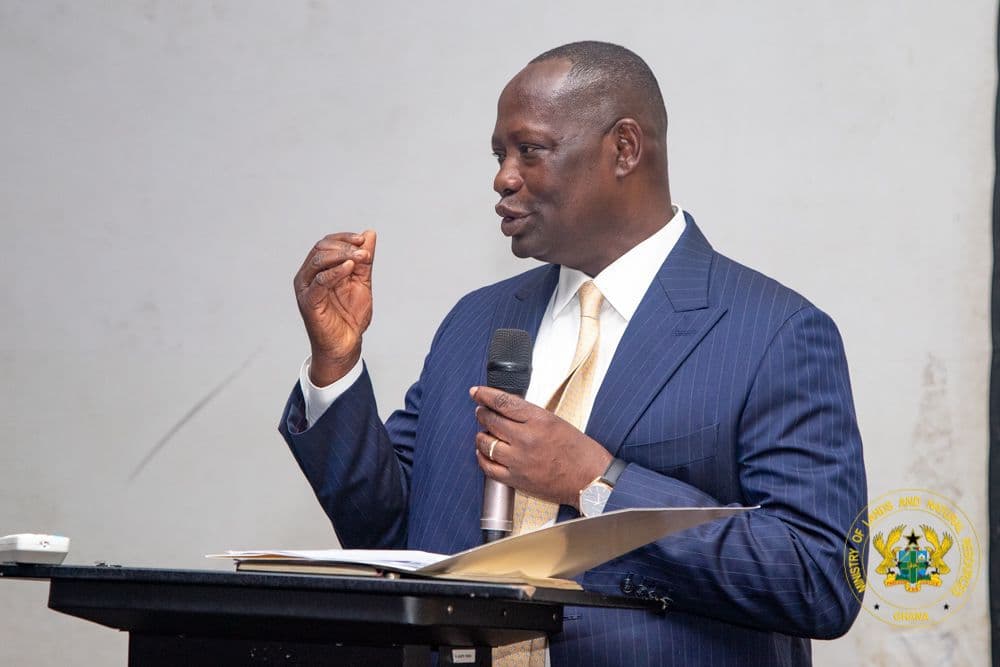
The Land Bank and Digitalisation Project is a comprehensive initiative that seeks to create a centralized database of all land in Ghana, providing a single source of truth for land ownership and administration. This will enable the government to better manage land use, prevent disputes, and promote sustainable development. The project also includes the digitization of land records, which will reduce the risk of fraud and corruption, and make it easier for citizens to access land information. As noted by Lands Minister, Samuel Abu Jinapor, "The Land Bank and Digitalisation Project is a game-changer for Ghana's land administration system. It will help us to overcome the challenges of the past and create a more efficient, transparent, and accountable system that serves the needs of all Ghanaians."
Addressing Long-Standing Challenges
The land administration system in Ghana has been facing numerous challenges, including land disputes, corruption, and inefficiency. The current system is largely manual, with land records being kept in paper form, making it prone to errors, loss, and manipulation. The lack of transparency and accountability has also led to corruption, with some individuals taking advantage of the system to acquire land illegally. The Land Bank and Digitalisation Project is designed to address these challenges by providing a secure, transparent, and efficient system for land administration. As Dr. Wilberforce Norbert Anza, a land expert, explained, "The digitization of land records will help to reduce the risk of fraud and corruption, and make it easier for citizens to access land information. This will also help to prevent land disputes, which are often caused by conflicting claims to land ownership."
Benefits of the Project
The Land Bank and Digitalisation Project is expected to have numerous benefits for Ghana, including increased efficiency, transparency, and accountability in land administration. The project will also help to promote sustainable development, by enabling the government to better manage land use and prevent the destruction of sensitive ecosystems. Additionally, the project will help to reduce poverty, by providing citizens with secure access to land, which is essential for agriculture, housing, and other economic activities. As
"The Land Bank and Digitalisation Project is a critical component of our efforts to promote sustainable development and reduce poverty in Ghana. It will help us to create a more efficient, transparent, and accountable system for land administration, which will benefit all Ghanaians,"said Lands Minister, Samuel Abu Jinapor.
The project is also expected to attract foreign investment, by providing a secure and transparent system for land administration. This will help to promote economic growth and development, by enabling investors to acquire land with confidence. As noted by Mr. Alexander Gyedu, a representative of the Ghana Chamber of Commerce, "The Land Bank and Digitalisation Project is a welcome development, which will help to promote business confidence and attract foreign investment. It will provide a secure and transparent system for land administration, which is essential for economic growth and development."
Implementation and Funding
The implementation of the Land Bank and Digitalisation Project is being carried out in phases, with the first phase focusing on the digitization of land records. The project is being funded by the government of Ghana, with support from development partners. The Lands Commission is responsible for the implementation of the project, in collaboration with other stakeholders, including the Ministry of Lands and Natural Resources. As Mr. Bismarck Acquaye, the Executive Secretary of the Lands Commission, explained, "The implementation of the Land Bank and Digitalisation Project is a complex process, which requires the collaboration of all stakeholders. We are working closely with the Ministry of Lands and Natural Resources, as well as other stakeholders, to ensure that the project is implemented successfully."
The funding for the project is being provided by the government of Ghana, with support from development partners. The project is expected to be completed within the next five years, with the first phase being completed within the next two years. As Dr. Winifred Hammond, a development expert, noted, "The funding for the Land Bank and Digitalisation Project is critical to its success. The government of Ghana has demonstrated its commitment to the project, by providing the necessary funding. However, it is essential that the funding is used efficiently and effectively, to ensure that the project is completed on time and within budget."
In conclusion, the Land Bank and Digitalisation Project is a critical initiative that is expected to transform Ghana's land administration system. The project has the potential to address the long-standing challenges that have plagued the system, including land disputes, corruption, and inefficiency. With the support of the government and development partners, the project is expected to be completed within the next five years, and will provide a secure, transparent, and efficient system for land administration. As the Lands Minister, Samuel Abu Jinapor, noted, "The Land Bank and Digitalisation Project is a key component of our efforts to promote sustainable development and reduce poverty in Ghana. We are committed to ensuring that the project is implemented successfully, and that it benefits all Ghanaians." With the project's potential to promote economic growth, reduce poverty, and improve the lives of citizens, it is an initiative that is worth watching in the coming years.