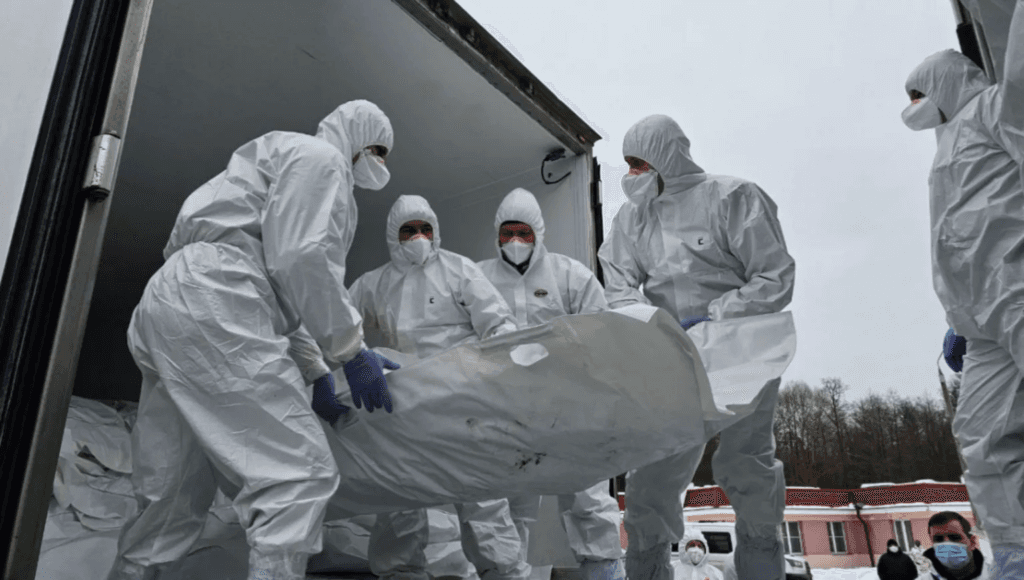
The charges against the Kenyan national come as the international community continues to grapple with the implications of foreign fighters in the Ukraine-Russia conflict. Experts warn that the involvement of African nations could further complicate the situation, potentially drawing in other countries and escalating the violence. Dr. Kathryn Mwengi, a regional security expert at the University of Nairobi, notes that "the recruitment of Kenyans to fight in Ukraine is a disturbing trend that highlights the need for increased vigilance and cooperation between African governments and international partners to prevent the exploitation of our citizens."
Recruitment Efforts
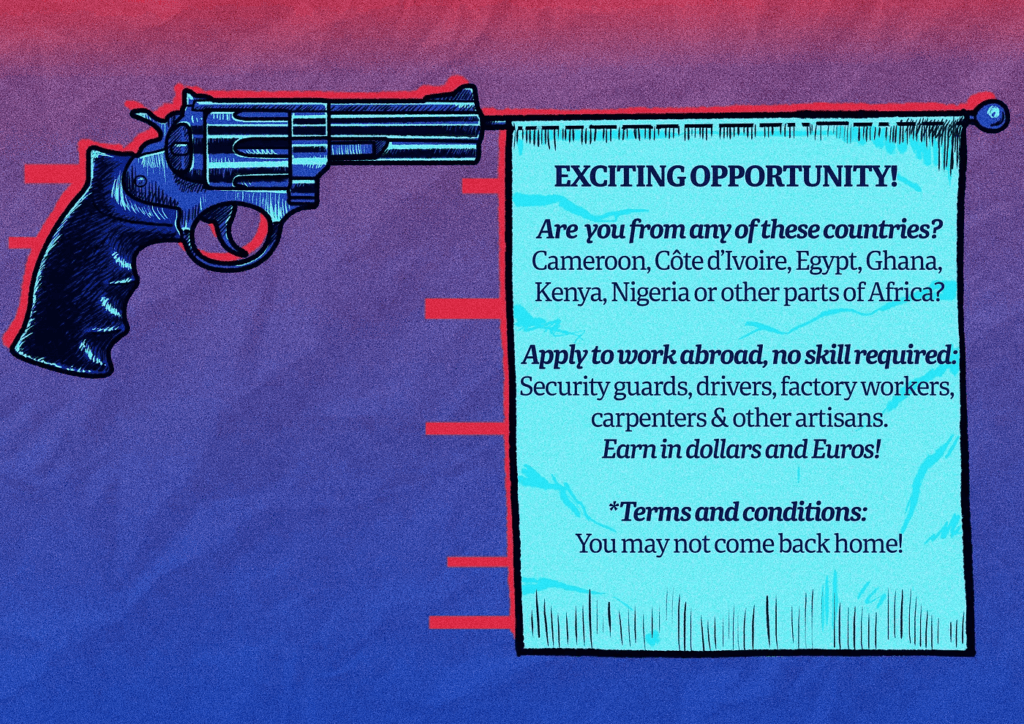
According to reports, the Kenyan suspect used social media and other online platforms to lure young men with promises of lucrative jobs and adventure. Many of these recruits were reportedly unaware of the true nature of their deployment, believing they were being hired for security or construction work.
"These young men were deceived into fighting a war that is not theirs, and it's a tragedy that we must take seriously,"said Ambassador Simon Kamau, Kenya's representative to the United Nations. The ambassador emphasized the need for international cooperation to prevent the exploitation of African citizens and to address the root causes of recruitment, including poverty and lack of employment opportunities.
The recruitment of Kenyans to fight in Ukraine has also raised concerns about the potential for blowback, with experts warning that returning fighters could pose a security risk to their home countries. General (Rtd) Julius Karangi, a former Kenyan Chief of Defense Forces, notes that "the involvement of Kenyans in foreign conflicts increases the risk of terrorism and instability in our region, and we must take proactive measures to mitigate these threats." General Karangi called for increased investment in counter-terrorism efforts and regional security initiatives to prevent the spread of extremist ideologies.
International Response
The international community has condemned the recruitment of foreign fighters in the Ukraine-Russia conflict, with many countries calling for increased cooperation to prevent the exploitation of vulnerable individuals. The United Nations has urged member states to take steps to prevent the recruitment and deployment of mercenaries, and to ensure that those responsible for such activities are held accountable. UN Secretary-General António Guterres has warned that "the use of foreign fighters in conflict zones is a serious threat to global security and stability, and we must work together to prevent this scourge."
In response to the charges against the Kenyan national, the Russian government has denied any involvement in the recruitment of African fighters, describing the allegations as "baseless" and "propaganda." However, experts point to evidence of Russian efforts to expand its influence in Africa, including through military cooperation agreements and economic investments. Dr. Pauline Kalu, a lecturer in international relations at the University of Lagos, notes that "Russia's involvement in Africa is not limited to the recruitment of fighters, but also includes a broader strategy to expand its economic and military presence on the continent."
Regional Implications
The involvement of Kenyans in the Ukraine-Russia conflict has significant implications for regional security and stability. The East African region has experienced a surge in terrorist attacks in recent years, and the potential for returning fighters to pose a security risk is a major concern. IGAD Executive Secretary, Dr. Workneh Gebeyehu, has called for increased cooperation between regional governments to prevent the spread of extremist ideologies and to address the root causes of radicalization. The Executive Secretary noted that "the region must work together to prevent the exploitation of our citizens and to ensure that our youth are not lured into foreign conflicts that do not serve their interests."
In conclusion, the charges against the Kenyan national highlight the need for increased vigilance and cooperation to prevent the exploitation of African citizens in foreign conflicts. As the international community continues to grapple with the implications of the Ukraine-Russia conflict, it is essential that African governments and international partners work together to address the root causes of recruitment and to prevent the spread of extremist ideologies. The region must also invest in counter-terrorism efforts and regional security initiatives to mitigate the risks posed by returning fighters and to ensure the stability and security of the continent.