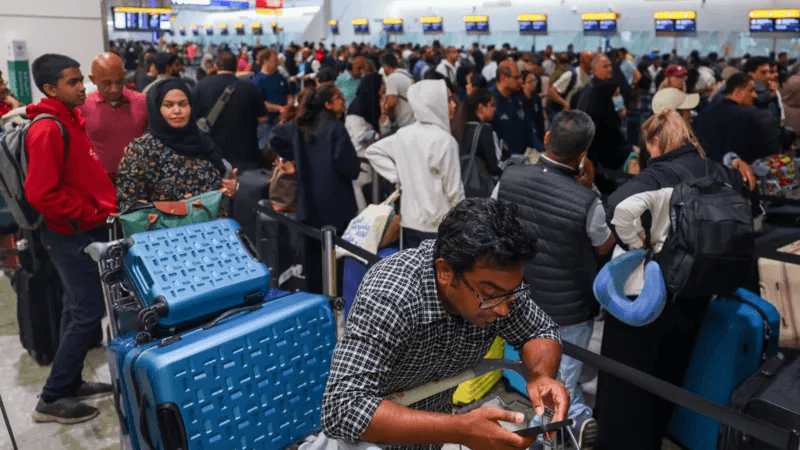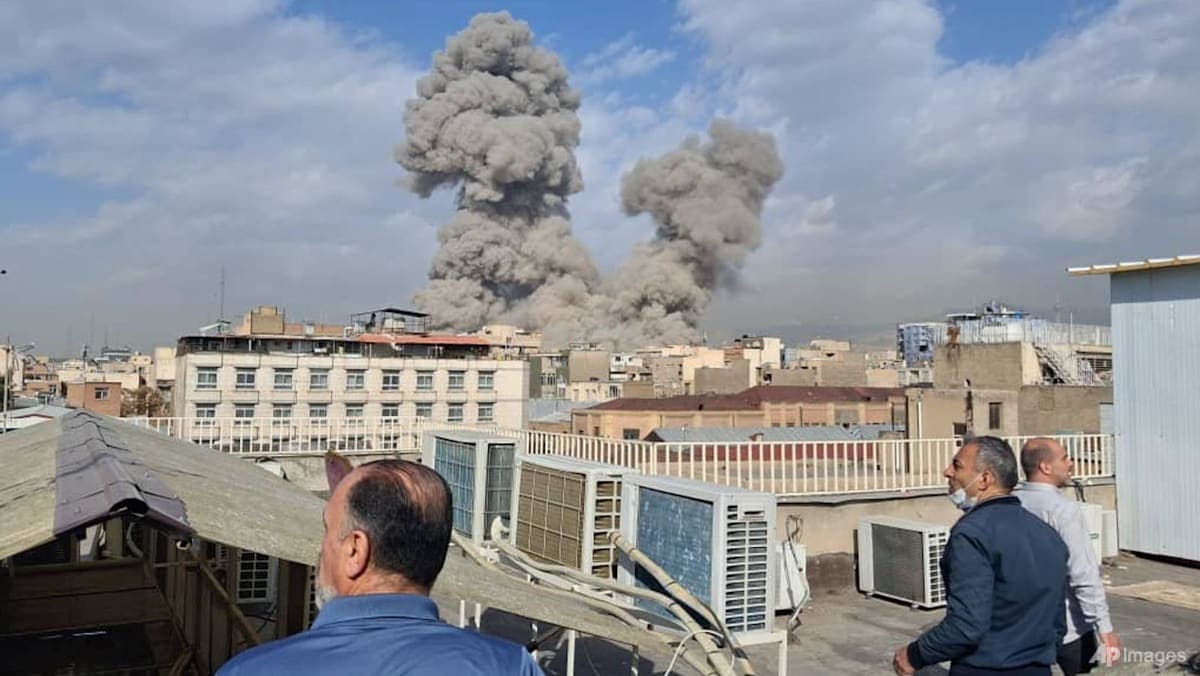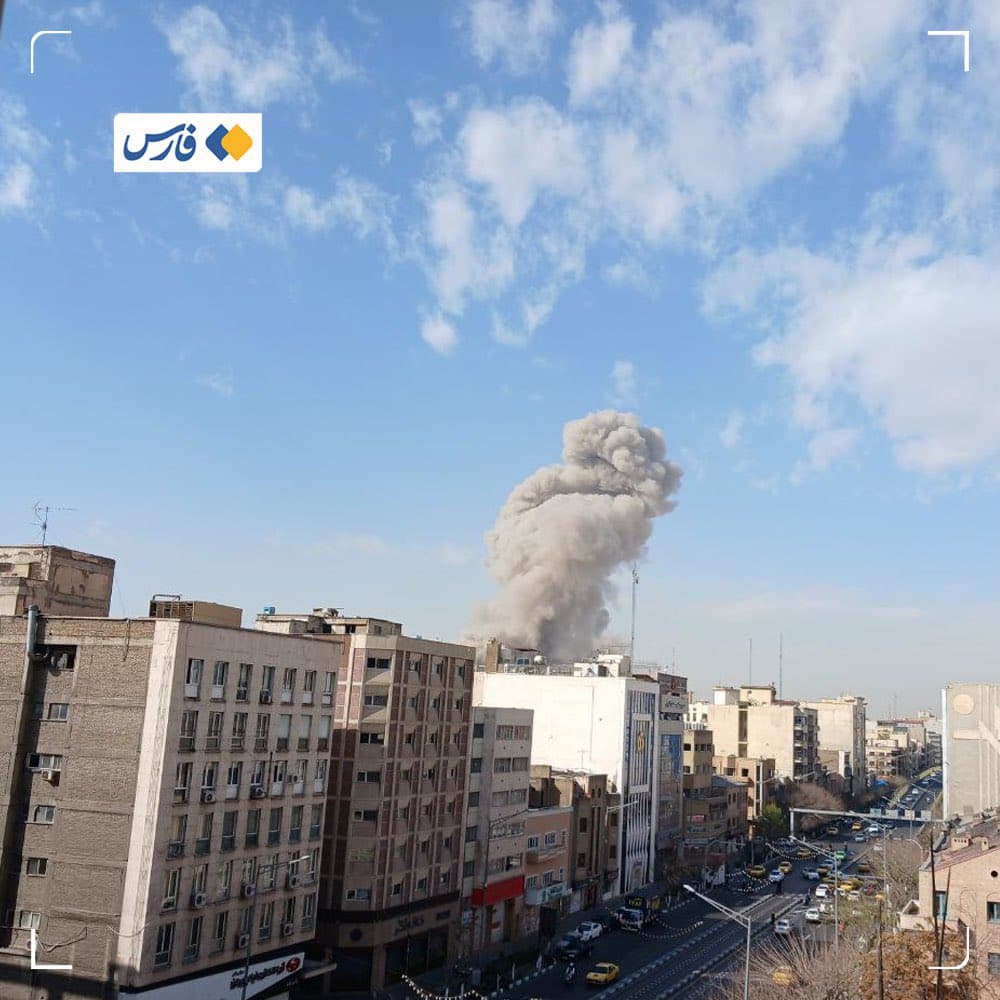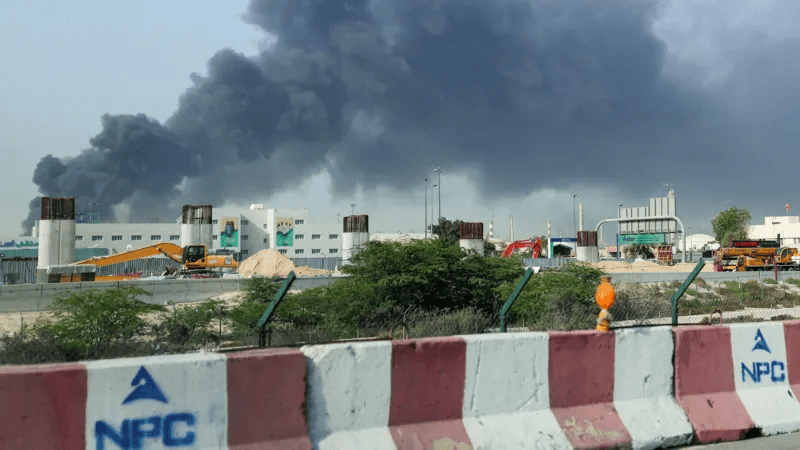
The attacks on Dubai and Abu Dhabi airports occurred in the early hours of the morning, with reports of explosions and gunfire echoing through the terminals. Eyewitnesses described the scene as chaotic, with passengers and staff fleeing in panic as emergency services rushed to respond to the attacks. "I was waiting to board my flight when I heard a loud explosion," said one witness, who wished to remain anonymous. "It was like nothing I've ever experienced before. People were running and screaming, and there was smoke everywhere."
Aftermath and Response
Emergency services quickly responded to the attacks, with paramedics and firefighters rushing to the scene to treat the wounded and extinguish fires. The airports were evacuated, and flights were grounded as authorities worked to secure the area and assess the damage. "Our priority is the safety and security of our passengers and staff," said a spokesperson for Dubai Airport. "We are working closely with the authorities to investigate the attacks and to ensure that our airport is secure."
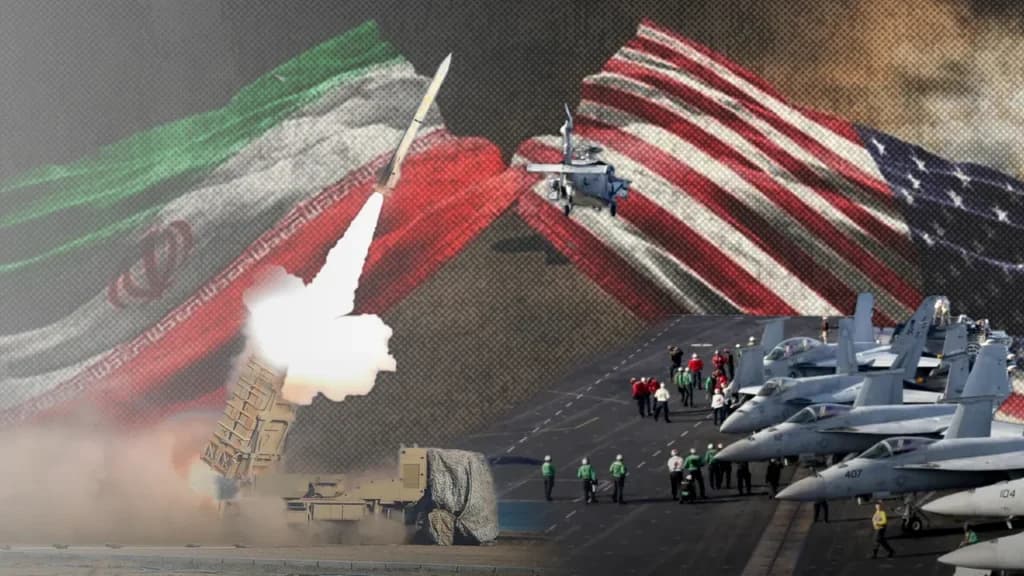
The attacks have been condemned by governments around the world, with the US and Israel expressing outrage and vowing to take action against Iran. "These attacks are a clear escalation of the conflict in the region, and they will not go unchallenged," said a spokesperson for the US State Department. "We will work with our allies to hold Iran accountable for these attacks and to prevent further violence." Iran, however, has defended its actions, saying that they were necessary to defend the country against the ongoing assault by the US and Israel. "We will not stand idly by while our country is attacked," said a spokesperson for the Iranian government. "We will take all necessary measures to defend ourselves and our interests."
Regional Implications
The attacks on Dubai and Abu Dhabi airports have significant implications for the region, where tensions are already running high. The conflict between Iran and the US and Israel has been escalating for months, with both sides engaging in a series of tit-for-tat attacks and provocations. The attacks on the airports are likely to further escalate the conflict, and there are concerns about the potential for further violence in the region. "The situation is extremely volatile, and there is a real risk of further escalation," said Dr. Sanam Vakil, a Middle East expert at Chatham House. "The international community needs to take urgent action to de-escalate the conflict and to find a peaceful resolution."
"The attacks on Dubai and Abu Dhabi airports are a wake-up call for the region," said General Anwar Mohammad Gargash, a former UAE minister of state for foreign affairs. "We need to work together to address the underlying issues that are driving this conflict, and to find a way to reduce tensions and promote stability."
The economic implications of the attacks are also significant, with the airports in Dubai and Abu Dhabi playing a critical role in the regional economy. The attacks are likely to disrupt trade and commerce, and there are concerns about the potential for further economic instability in the region. "The attacks on the airports will have a significant impact on the regional economy," said Dr. Nasser Saidi, a former Lebanese minister of economy and trade. "We need to take urgent action to mitigate the effects of the attacks and to promote economic stability in the region."
International Response
The international community has condemned the attacks on Dubai and Abu Dhabi airports, with governments around the world expressing outrage and calling for calm. The United Nations has issued a statement calling for restraint and urging all parties to work towards a peaceful resolution. "The Secretary-General is deeply concerned about the escalating conflict in the Middle East," said a spokesperson for the UN. "He urges all parties to exercise restraint and to work towards a peaceful resolution of their differences."
The European Union has also issued a statement condemning the attacks and calling for calm. "The EU is deeply concerned about the escalating conflict in the Middle East," said a spokesperson for the EU. "We urge all parties to exercise restraint and to work towards a peaceful resolution of their differences." The EU has offered to facilitate talks between the parties and to provide support for efforts to reduce tensions and promote stability in the region.
In conclusion, the attacks on Dubai and Abu Dhabi airports are a significant escalation of the conflict in the Middle East, and they have raised concerns about the potential for further violence in the region. The international community needs to take urgent action to de-escalate the conflict and to find a peaceful resolution. As Dr. Vakil noted, "The situation is extremely volatile, and there is a real risk of further escalation. We need to work together to address the underlying issues that are driving this conflict, and to find a way to reduce tensions and promote stability." The coming days and weeks will be critical in determining the course of the conflict, and the international community will be watching with bated breath as events unfold.