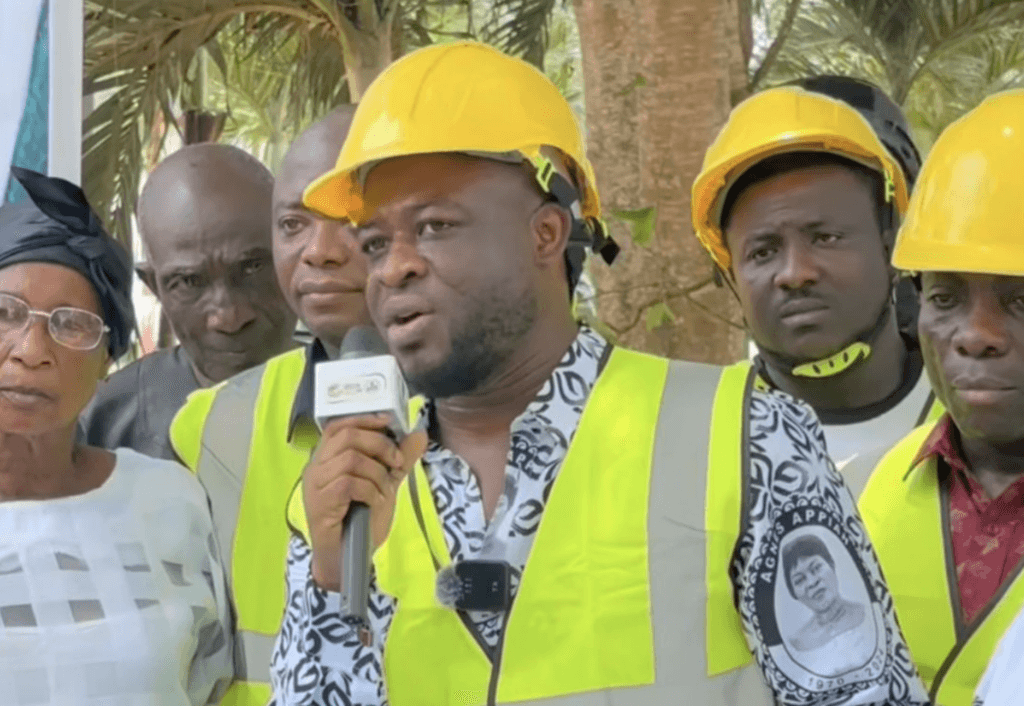
The proposed children’s ward, with its capacity to accommodate 50 beds, is designed to provide specialized care to children, including those with critical conditions that require intensive medical attention. According to Dr Boakye, the decision to invest in this project stems from his desire to honor his mother's legacy and contribute meaningfully to the community. "My mother always had a special place in her heart for children. She believed that every child deserves the best possible start in life, and access to quality healthcare is fundamental to that," Dr Boakye explained. This personal anecdote sheds light on the altruistic motivations driving the project, highlighting the impact of individual efforts on community development.
Community Impact and Healthcare Needs
The construction of the children’s ward at Samartex Hospital is anticipated to have a profound impact on the local community, particularly in terms of accessing healthcare services. For residents of Samreboi and surrounding areas, the absence of specialized pediatric care has long been a challenge, necessitating travel to distant locations for medical treatment. This not only poses logistical difficulties but also delays timely interventions, which can be critical in pediatric care. Dr. Ama Frimpong, a pediatrician at a nearby hospital, noted, "The establishment of a dedicated children’s ward in this region will significantly reduce the burden on families seeking medical care for their children. It's a welcome development that aligns with our collective goal of ensuring that no child is left behind due to lack of access to quality healthcare."
Experts and local officials have praised Dr Boakye's initiative, citing it as a model for community-driven development projects.
"Dr Boakye's commitment to building a children’s ward in memory of his mother is a testament to the power of personal initiative in driving positive change. This project will undoubtedly leave a lasting legacy, not just for Dr Boakye's family, but for the entire community,"said Mr. Kwame Addo, a local government representative. Such sentiments reflect the broader societal value of philanthropic efforts, especially when they address critical gaps in public services like healthcare.
Project Details and Implementation
While the specifics of the project timeline and budget have not been fully disclosed, Dr Boakye has assured that the construction process will be expedited to ensure the ward becomes operational as soon as possible. The project is expected to create employment opportunities, both during the construction phase and upon completion, when the ward will require staffing with medical professionals and support personnel. Dr. Boakye further elaborated, "We are committed to making this project a success, not just in terms of infrastructure, but also in ensuring that the ward is equipped with the necessary resources and personnel to provide high-quality care." This commitment to comprehensive development, including human resources, is seen as a crucial factor in the long-term sustainability and effectiveness of the project.
The announcement of the children’s ward has sparked discussions about the potential for similar initiatives in other areas, highlighting the role of private sector entities and individuals in complementing government efforts in healthcare. As Ms. Abena Mensah, a healthcare advocate, observed,
"Initiatives like Dr Boakye's demonstrate that there are many ways to contribute to the betterment of our healthcare system. By focusing on specific needs and gaps, individuals and organizations can make significant differences, inspiring others to follow suit."This viewpoint underscores the collaborative approach needed to address complex challenges in healthcare, emphasizing the value of partnerships between the public and private sectors.
In conclusion, the forthcoming construction of a 50-bed children’s ward at Samartex Hospital, courtesy of Dr Maxwell Boakye, stands as a beacon of hope for enhanced pediatric care in the Western Region. As the project progresses, it will be important to monitor its development and the eventual impact on the community. The success of such initiatives not only reflects the dedication of individuals like Dr Boakye but also serves as a reminder of the potential for collective action to drive meaningful change in critical areas like healthcare. Moving forward, it will be interesting to observe how this project inspires further community-driven development efforts, potentially paving the way for a healthier, more supportive environment for children and families across the region.