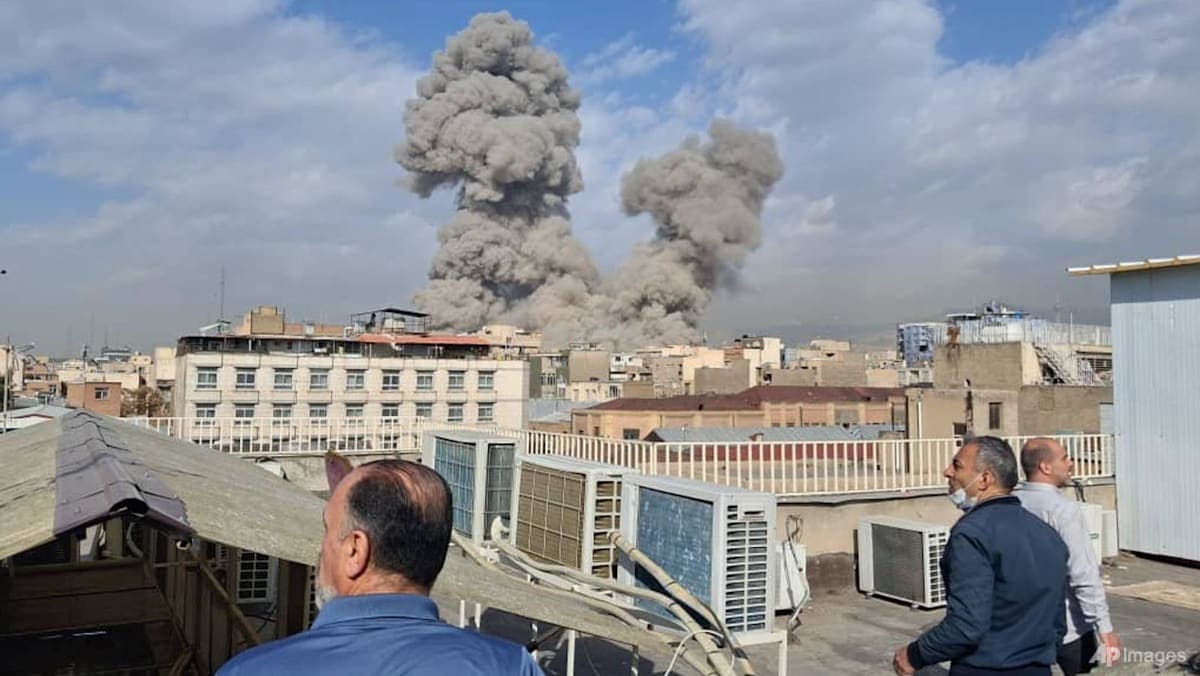
"Our objective is to defend the American people by eliminating imminent threats from the Iranian regime,"emphasizing the need to protect US citizens and interests from potential harm.
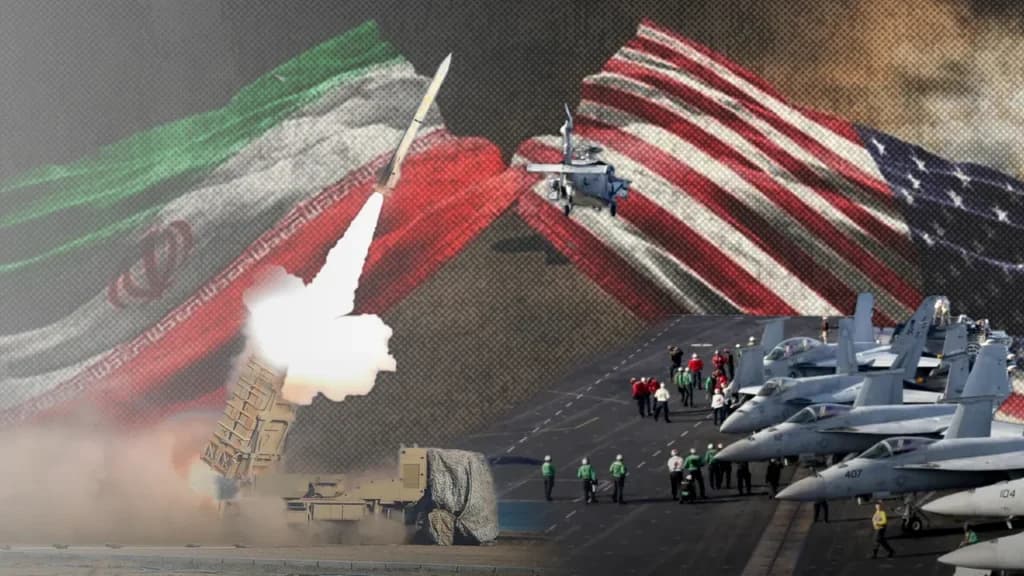
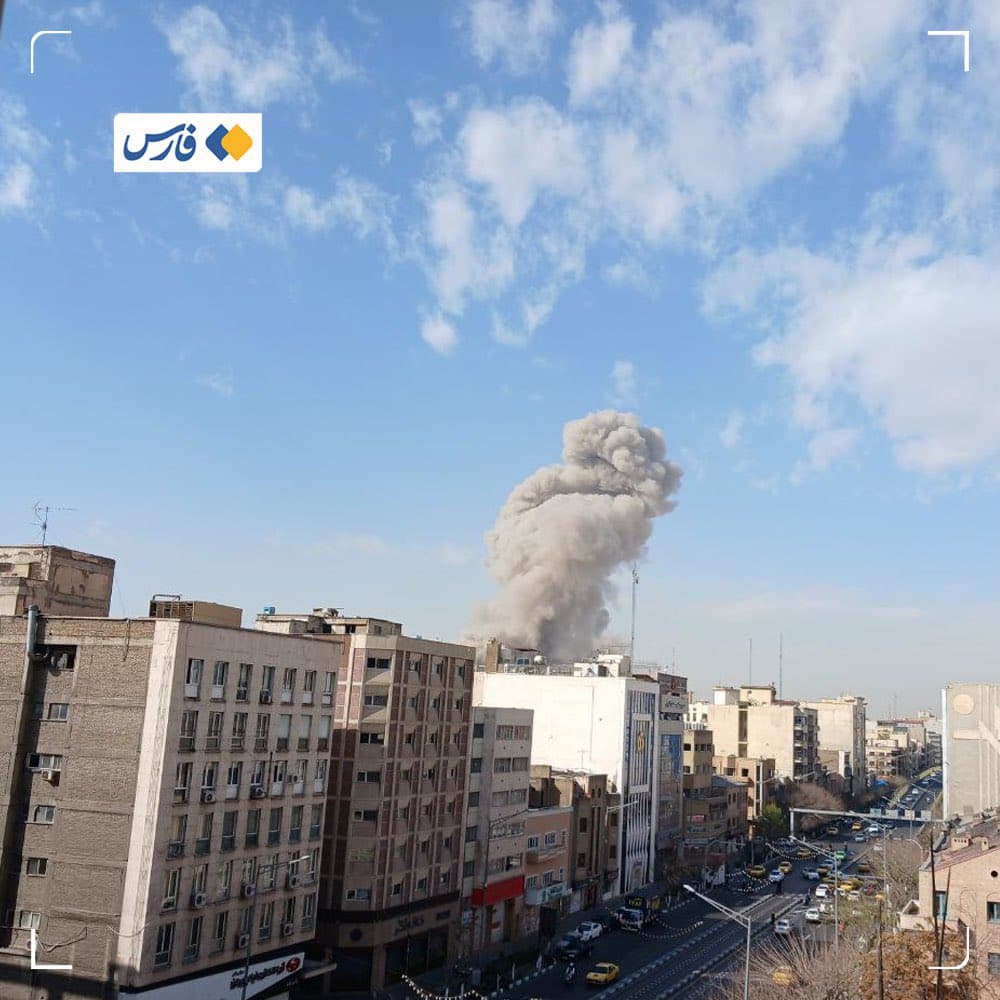
The operation, which began in the early hours of the morning, involves a combination of air and ground attacks on key Iranian military installations and strategic targets. While details of the operation remain scarce, US and Israeli officials have confirmed that the attack is aimed at crippling Iran's military capabilities and disrupting its ability to launch further attacks on US and allied interests. Dr. Michael Rubin, a Middle East expert at the American Enterprise Institute, notes that "the US and Israel have been watching Iran's growing military presence in the region with concern, and this operation is likely an attempt to reset the balance of power and prevent further Iranian aggression."
Background to the Conflict
The US and Iran have been engaged in a war of words for several years, with tensions escalating significantly in recent months. The US has imposed strict economic sanctions on Iran, which have had a devastating impact on the country's economy. In response, Iran has threatened to retaliate against US interests and has been accused of carrying out a series of attacks on oil tankers and other targets in the region. General David Petraeus, former Director of the CIA, warns that "the situation is highly volatile, and there is a significant risk of escalation into a wider conflict. The US and Israel need to be careful to avoid civilian casualties and to minimize the risk of retaliation from Iran and its proxies."
Despite the risks, US and Israeli officials believe that the operation is necessary to protect their interests and prevent further Iranian aggression.
"We will not stand idly by while Iran continues to threaten our people and our way of life,"said Israeli Prime Minister Benjamin Netanyahu, in a statement released earlier today. Dr. Trita Parsi, founder of the National Iranian American Council, counters that "this operation is a recipe for disaster, and will only serve to strengthen the most hardline elements within the Iranian regime. The US and Israel need to rethink their strategy and engage in diplomatic efforts to resolve the conflict peacefully."
International Reaction
The international community is watching the situation with bated breath, with many countries calling for restraint and a return to diplomatic efforts to resolve the conflict. The United Nations Security Council is scheduled to meet in emergency session later today to discuss the crisis, with many members expected to condemn the US and Israeli action. Russia and China, both permanent members of the Security Council, have already issued statements criticizing the operation and calling for an immediate ceasefire.
"This is a reckless and irresponsible act that will only lead to further instability and bloodshed in the region,"said a spokesperson for the Russian Foreign Ministry.
As the situation continues to unfold, the US and Israel are bracing for potential retaliation from Iran and its proxies. The US has deployed additional troops to the region and has warned American citizens to exercise extreme caution when traveling to or within Iran. Dr. Suzanne Maloney, a senior fellow at the Brookings Institution, notes that "the US and Israel need to be prepared for a range of potential scenarios, including the possibility of retaliation from Iran's proxies in Lebanon and Syria. The situation is highly unpredictable, and will require careful planning and coordination to navigate safely."
Conclusion
In conclusion, the US and Israel have launched a joint military operation against Iran, citing imminent threats from the Iranian regime as the primary motivation behind the strike. While the situation is highly volatile and unpredictable, US and Israeli officials believe that the operation is necessary to protect their interests and prevent further Iranian aggression. As the international community watches with bated breath, the US and Israel must be careful to avoid civilian casualties and to minimize the risk of retaliation from Iran and its proxies. The coming days and weeks will be critical in determining the outcome of the conflict, and the world will be watching to see how the situation unfolds.