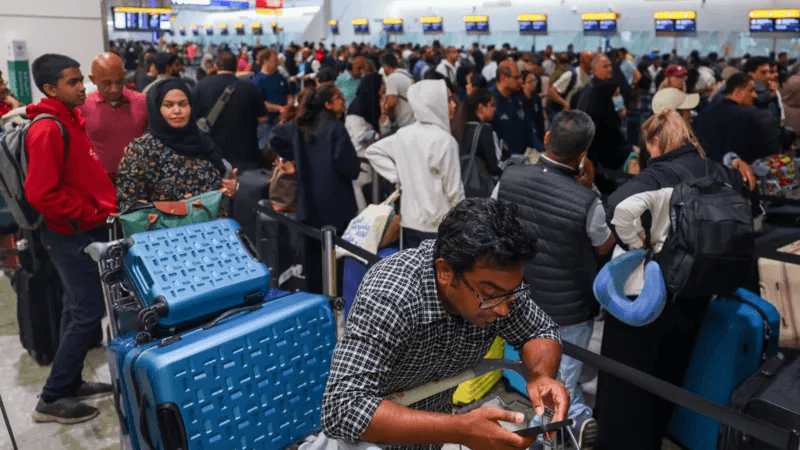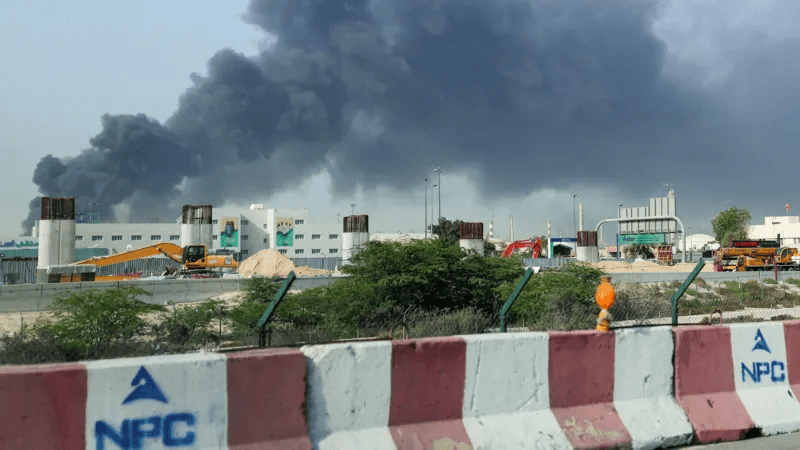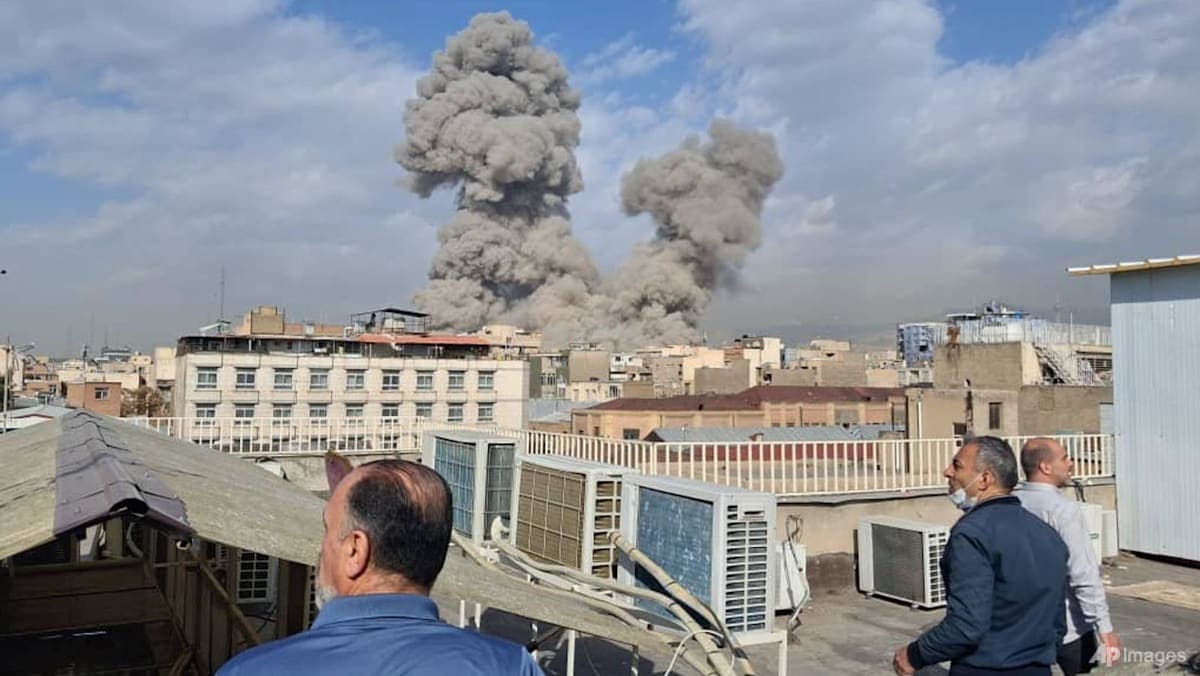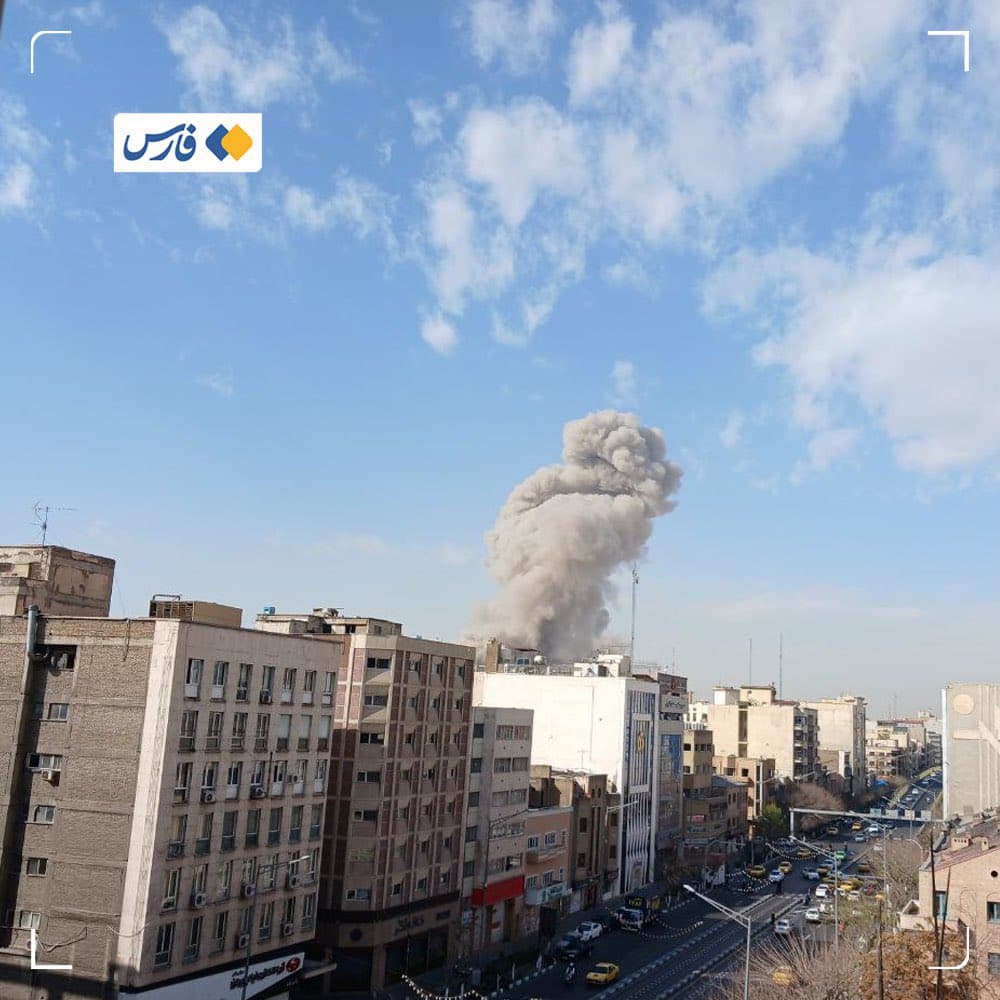
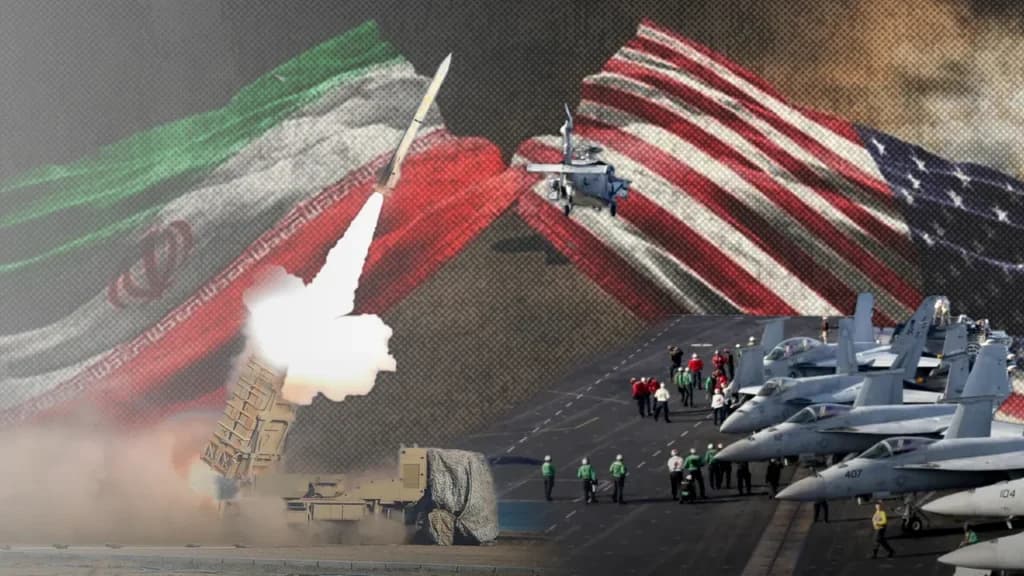
The US attack on Iran is seen by many as a major turning point in the long-standing tensions between the two countries, which have been simmering for decades. The move is likely to have far-reaching consequences, not just for the region but also for global geopolitics. Dr. Sophia Patel, a Middle East expert at the Brookings Institution, notes that the US attack is a "clear indication of the administration's willingness to use military force to achieve its objectives in the region." She adds, "The fact that the US has chosen to launch a major military operation against Iran, alongside Israel, suggests that the stakes are high and the US is willing to take significant risks to achieve its goals."
Background to the Conflict
The roots of the US-Iran conflict are complex and multifaceted, involving issues such as nuclear proliferation, terrorism, and regional influence. The US has long been concerned about Iran's nuclear program, which it believes has the potential to produce nuclear weapons. Iran, on the other hand, has consistently maintained that its nuclear program is for peaceful purposes only. The two countries have also been on opposite sides of various regional conflicts, including the Syrian civil war and the Yemen conflict.
According to General James Johnson, a retired US Army officer with extensive experience in the Middle East, "The US has been concerned about Iran's growing military capabilities and its increasing influence in the region. The US attack on Iran is likely a response to these concerns, as well as a desire to demonstrate its military power and capabilities." He adds,
"The US is sending a clear message to Iran and other countries in the region that it will not tolerate any challenges to its interests or its allies."
International Reaction
The international community has reacted with concern and alarm to the US attack on Iran. The United Nations Secretary-General has called for restraint and a return to diplomatic efforts to resolve the conflict. The European Union has also issued a statement expressing concern about the escalation of violence and urging all parties to exercise restraint. Dr. Maria Rodriguez, a professor of international relations at Harvard University, notes that the international reaction to the US attack on Iran is "muted, at best." She adds, "Many countries are likely to be concerned about the potential consequences of the US attack, including the possibility of a wider regional conflict."
The US attack on Iran has also sparked a significant reaction from other countries in the region. Saudi Arabia and the United Arab Emirates, key US allies in the region, have issued statements supporting the US action. On the other hand, Iran's allies, such as Syria and Hezbollah, have condemned the US attack and vowed to support Iran in the face of aggression.
Implications and Consequences
The implications and consequences of the US attack on Iran are far-reaching and complex. The attack is likely to lead to a significant escalation of tensions in the region, with the potential for a wider conflict. The US and its allies may face retaliation from Iran and its proxies, including terrorist groups such as Hezbollah. General Michael Flynn, a former US National Security Adviser, notes that the US attack on Iran is "a high-risk, high-reward strategy." He adds,
"The US is taking a significant risk by launching a major military operation against Iran, but the potential rewards are also significant. If the US is successful in achieving its objectives, it could lead to a significant shift in the regional balance of power."
The US attack on Iran also has significant implications for global energy markets. Iran is a major oil producer, and any disruption to its oil exports could have a significant impact on global oil prices. Dr. Daniel Yergin, a leading energy expert, notes that the US attack on Iran is "likely to lead to a significant increase in oil prices, at least in the short term." He adds, "The impact on global energy markets will depend on the extent of the disruption to Iran's oil exports and the ability of other oil producers to fill the gap."
In conclusion, the US attack on Iran marks a significant escalation of tensions in the Middle East, with far-reaching consequences for the region and beyond. As the situation continues to unfold, it remains to be seen how the international community will respond and what the ultimate outcome will be. One thing is clear, however: the US attack on Iran is a major turning point in the long-standing conflict between the two countries, and it will likely have a lasting impact on the regional and global landscape. As Dr. Patel notes, "The US attack on Iran is a wake-up call for the international community, highlighting the need for a more sustained and concerted effort to address the underlying issues driving the conflict." The coming days and weeks will be crucial in determining the trajectory of the conflict and the future of the region.