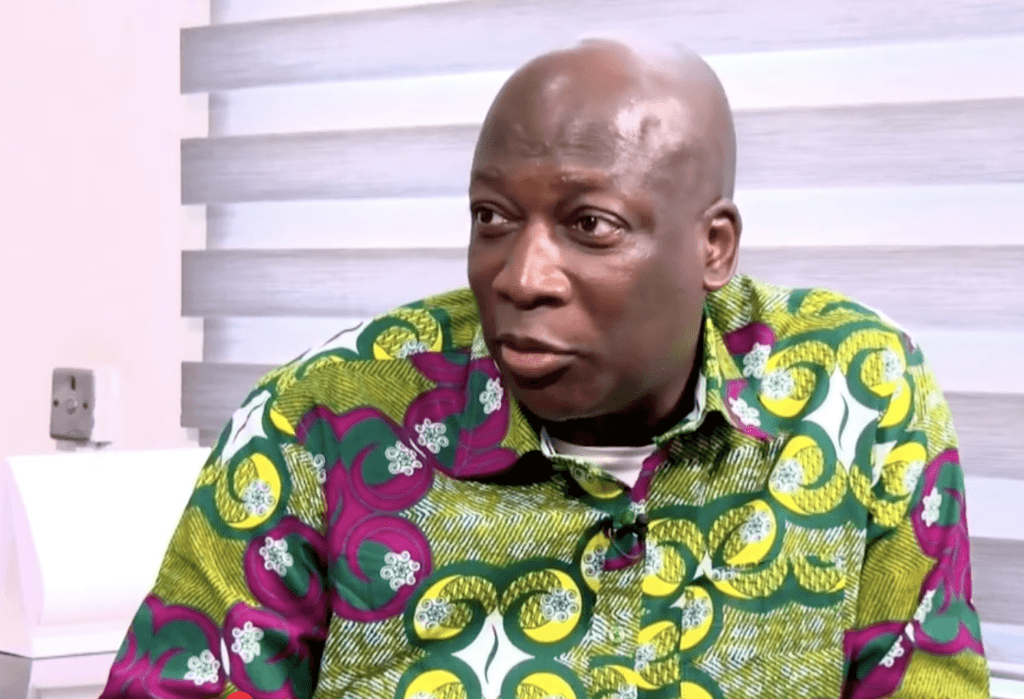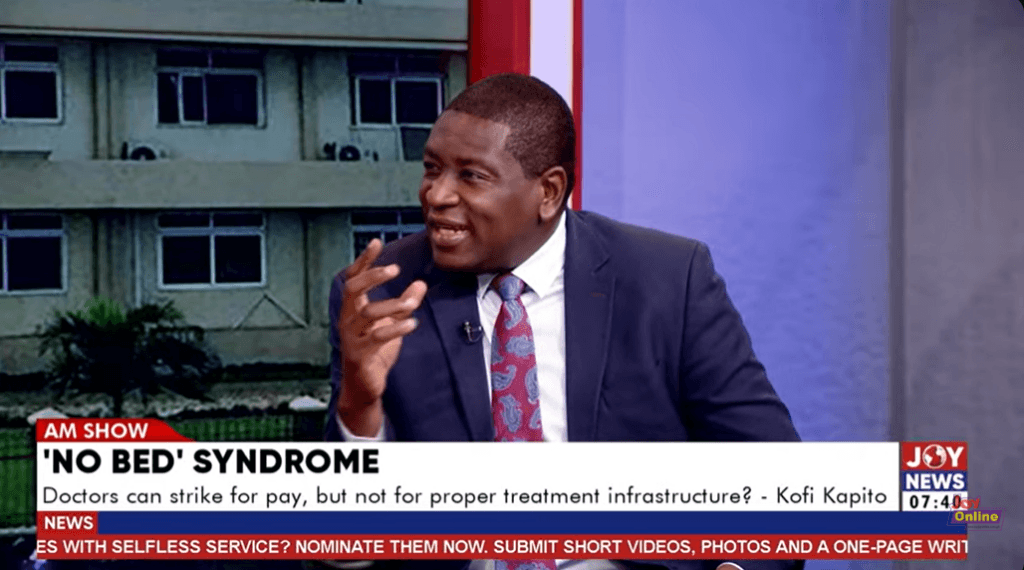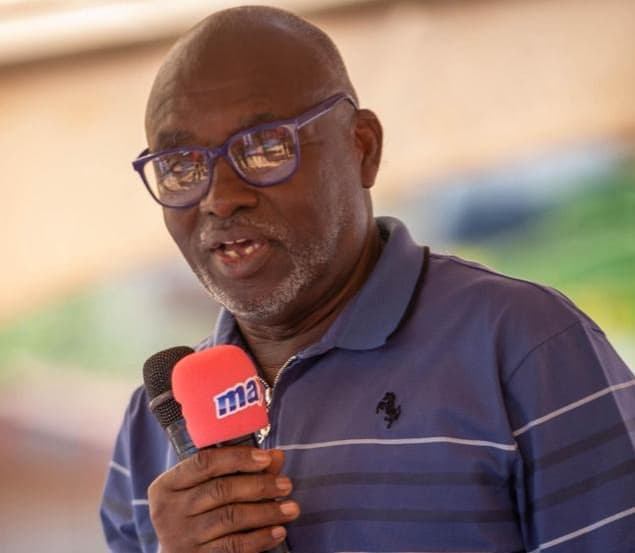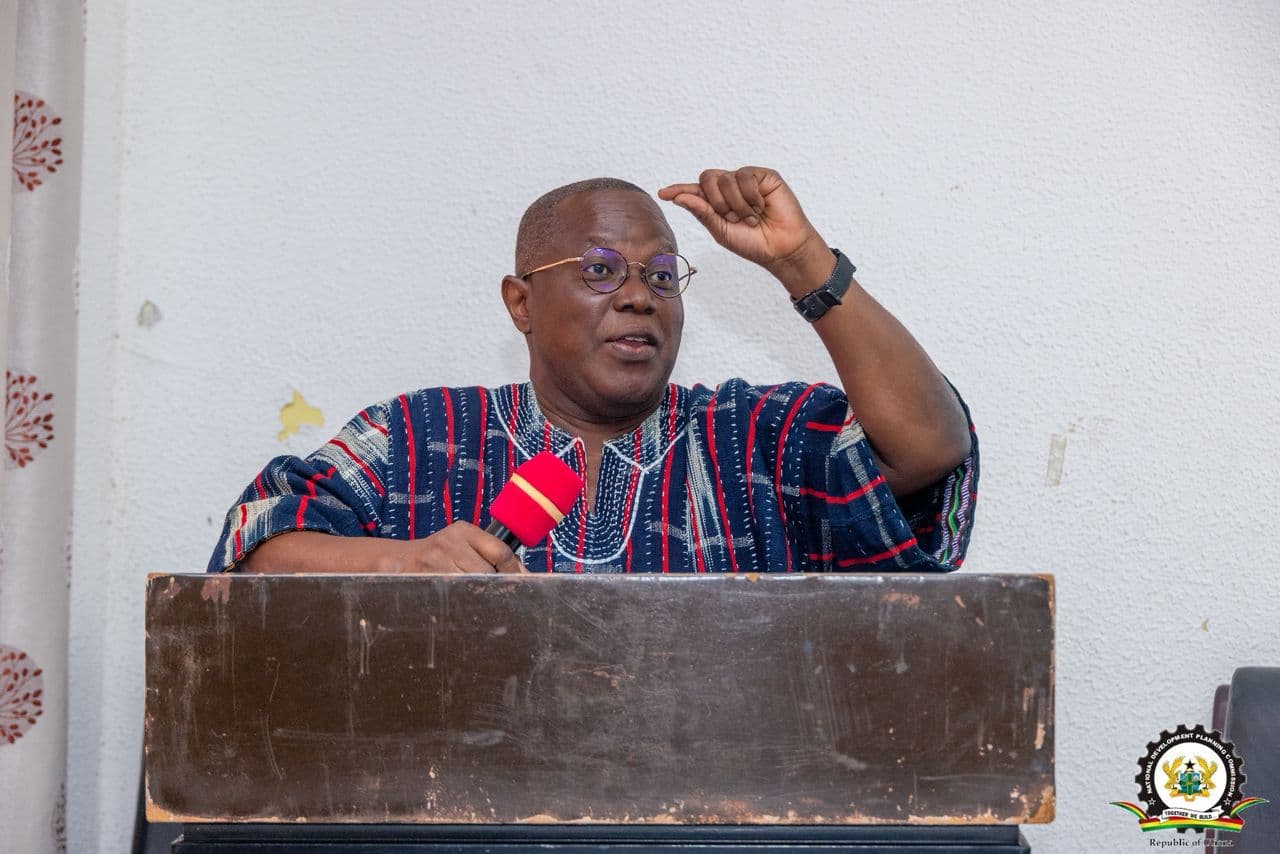
The NDPC Chairman's concerns are not unfounded, as many local governments in Ghana are struggling to provide basic services to their citizens. The lack of resources, inadequate infrastructure, and weak institutional capacity have all contributed to the decline of local governance. Dr. Thompson emphasized that strong, accountable institutions are essential for sustainable development, and that the current state of local governance is a major obstacle to achieving this goal. "We need to build institutions that are responsive to the needs of the people, and that can deliver services effectively and efficiently," he said.
Challenges Facing Local Governance
One of the major challenges facing local governance in Ghana is the lack of financial resources. Many local governments rely heavily on central government funding, which is often inadequate and unpredictable. This makes it difficult for them to plan and budget effectively, and to deliver services to their citizens.
"The lack of financial resources is a major constraint to local governance," said Mr. Kwame Owusu, a local government expert. "We need to find ways to increase revenue mobilization at the local level, and to reduce dependence on central government funding."Another challenge facing local governance is the lack of capacity and expertise. Many local government officials lack the skills and knowledge needed to manage complex development projects, and to provide effective services to their citizens.
Consequences of Collapsed Local Governance
The consequences of collapsed local governance are far-reaching and devastating. Without strong, accountable institutions, citizens are often left to fend for themselves, and basic services such as healthcare, education, and sanitation are inadequate or non-existent. This can have serious impacts on human development, poverty reduction, and economic growth. "The collapse of local governance is a major threat to our development as a country," said Dr. Ama Pomaa, a development expert. "We need to take urgent action to address this challenge, and to build institutions that can deliver services effectively and efficiently." The lack of effective governance at the local level can also lead to social unrest, conflict, and instability, which can have serious consequences for national security and stability.
The NDPC Chairman's comments have sparked a heated debate about the state of local governance in Ghana, and the need for urgent reform. While some have argued that the current system is adequate, others have called for a complete overhaul of the local government system.
"We need to think outside the box, and to come up with innovative solutions to the challenges facing local governance," said Mr. Kofi Mensah, a local government official. "This may involve decentralizing power and resources to the local level, and giving local governments more autonomy to manage their own affairs."Whatever the solution, it is clear that urgent action is needed to address the collapse of local governance in Ghana, and to build strong, accountable institutions that can deliver services effectively and efficiently.
Way Forward
To address the challenge of collapsed local governance, the NDPC has proposed a number of reforms, including the decentralization of power and resources to the local level, and the strengthening of local government institutions. The Commission has also called for increased investment in capacity building and training for local government officials, and for the development of innovative solutions to the challenges facing local governance. The success of these reforms will depend on the ability of government, civil society, and other stakeholders to work together to address the challenges facing local governance. "We need to work together to build strong, accountable institutions that can deliver services effectively and efficiently," said Dr. Thompson. "This will require a coordinated effort, and a commitment to putting the needs of citizens first."
In conclusion, the collapse of local governance in Ghana is a major threat to the country's development, and urgent action is needed to address this challenge. The NDPC's proposed reforms offer a way forward, but will require a coordinated effort and a commitment to putting the needs of citizens first. As the country moves forward, it is essential that all stakeholders work together to build strong, accountable institutions that can deliver services effectively and efficiently, and to ensure sustainable development for all. The future of Ghana depends on it.