President John Dramani Mahama has announced a comprehensive plan to significantly modernize Ghana’s military, committing to the establishment of new military bases, the acquisition of advanced helicopters, and a substantial expansion of forces. The ambitious initiative aims to bolster national security, strengthen border integrity, and enhance the operational readiness of the Ghana Army, Navy, and Air Force, addressing evolving regional security challenges and ensuring the nation's capacity to protect its citizens and interests.
The President, outlining the strategic vision, emphasized that the modernization drive is not merely about acquiring new hardware but about creating a more agile, responsive, and well-equipped fighting force capable of meeting contemporary threats. The plan specifically targets critical areas where Ghana’s defense capabilities need enhancement to counter terrorism, piracy, cross-border crime, and other emerging security concerns that pose a direct threat to the nation's stability and economic prosperity.
Strategic Expansion of Infrastructure and Personnel
A cornerstone of President Mahama’s plan involves the strategic establishment of new military bases across key regions, particularly along Ghana’s extensive land borders and its vital coastline. These new installations are designed to improve rapid deployment capabilities, enhance surveillance, and provide robust logistical support for troops operating in remote or vulnerable areas. Sources within the defense ministry suggest that some of these bases will be specialized, focusing on intelligence gathering and counter-terrorism operations, while others will serve as forward operating hubs for conventional forces.
Concurrently, the plan includes a significant expansion of military personnel across all three branches. This expansion will be accompanied by intensive recruitment drives and advanced training programs designed to equip new recruits and existing personnel with specialized skills in areas such as cyber warfare, intelligence analysis, special operations, and logistics. The goal is to not only increase troop numbers but also to cultivate a highly professional and adaptable force capable of operating in diverse environments.
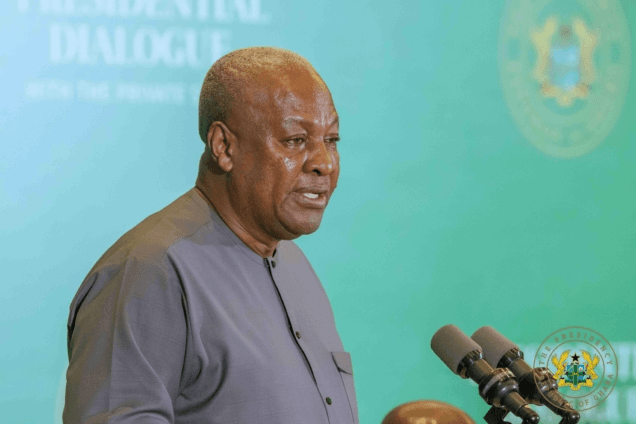
“Our borders are our first line of defense, and securing them is paramount to our national sovereignty and the safety of our citizens,” President Mahama stated during a recent briefing on the initiative. “These new bases will serve as vital hubs, allowing our forces to respond swiftly and decisively to any threat, while the expansion of our personnel ensures we have the human capital to manage these expanded responsibilities effectively.”
Air Power and Operational Readiness Boost
A significant component of the modernization effort is the acquisition of modern helicopters for the Ghana Air Force. This fleet upgrade is expected to include a mix of utility, attack, and reconnaissance helicopters, significantly enhancing the Air Force’s capacity for air support, troop transport, medical evacuation, and critical border and maritime surveillance. The current helicopter fleet, while functional, faces limitations in terms of operational range, speed, and advanced avionics, which the new acquisitions aim to address.
“The introduction of advanced rotary-wing aircraft will be a game-changer for our operational readiness,” explained Air Vice Marshal Kwame Mensah (Rtd), a defense analyst. “It will drastically cut response times for troops on the ground, provide crucial intelligence gathering capabilities, and allow for more effective interdiction operations against illicit activities, particularly in our northern and western border regions, and along our Gulf of Guinea coastline.”
The enhanced air capabilities are also expected to bolster the Ghana Navy’s maritime security operations, allowing for more effective patrol and surveillance of Ghana’s exclusive economic zone, vital for protecting the nation’s burgeoning oil and gas industry from piracy and illegal fishing.
Addressing Evolving Security Landscapes
The comprehensive plan comes at a time when West Africa faces an increasingly complex security environment, characterized by the spread of extremist groups, increased cross-border criminal networks, and maritime piracy. Ghana, despite its relative stability, recognizes the need to proactively strengthen its defenses to safeguard its peace and progress.
Dr. Ama Nkrumah, a security expert at the Institute for Strategic Studies, noted the timely nature of the President’s announcement.
“This modernization is not just about keeping up with regional threats; it’s about positioning Ghana as a leader in regional security cooperation. A stronger, more capable Ghanaian military translates to greater stability for the entire sub-region, particularly in joint operations with ECOWAS partners.”
The initiative is also expected to have broader implications for Ghana’s role in international peacekeeping missions, where its forces have historically played a significant role. A modernized military will be better equipped to meet the demands of complex peace support operations, enhancing Ghana’s contribution to global peace and security.
Funding and Implementation
While specific financial details were not fully disclosed, President Mahama indicated that the government is exploring a mix of national budgetary allocations, strategic partnerships, and favorable credit lines to fund the ambitious multi-year program. The commitment extends beyond procurement to include comprehensive maintenance, training, and logistical support frameworks to ensure the long-term sustainability and effectiveness of the new assets and expanded forces.
The President’s pledge signals a clear commitment to prioritizing national security and investing in the capabilities necessary to protect Ghana’s future. The successful implementation of this comprehensive modernization plan is anticipated to significantly enhance the nation’s defense posture, ensuring stability and security for all Ghanaians in the face of evolving regional and global challenges.