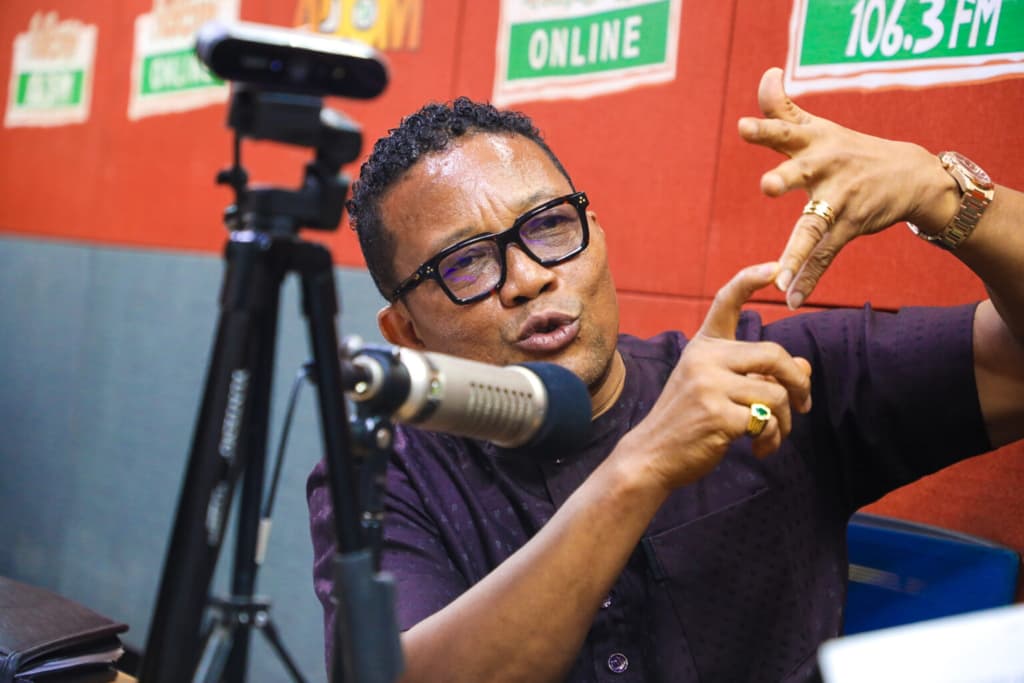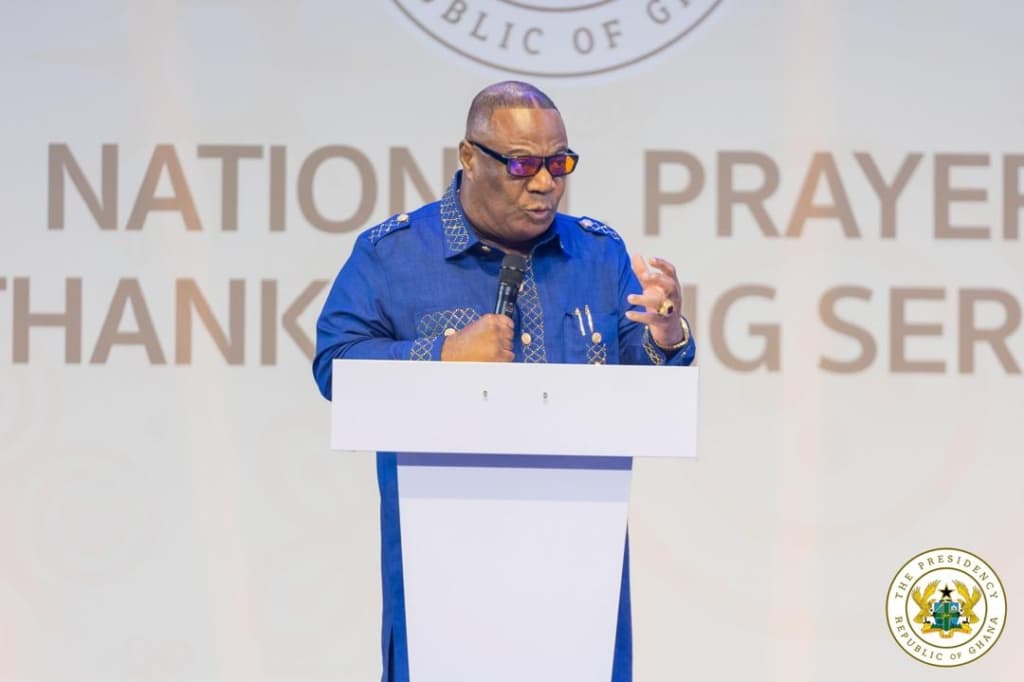
Accra, Ghana — Nicholas Duncan-Williams, the esteemed Founder and General Overseer of Action Chapel International (ACI), has issued a significant caution to prophets regarding their involvement in political affairs, urging a deeper reliance on scriptural understanding when addressing matters linked to political elections. His intervention comes amidst a growing national discourse and controversy surrounding prophecies that often precede and accompany electoral cycles, raising concerns about their impact on both faith and civic life.
The prominent spiritual leader emphasized the critical need for discernment and adherence to biblical principles, particularly as various prophets continue to issue pronouncements concerning political outcomes and figures. His remarks underscore a broader concern within the religious community about the role and responsibility of prophetic ministry in a democratic society, where such prophecies can significantly influence public opinion and potentially sow division.
The Rising Tide of Political Prophecies
The practice of religious leaders making prophecies about elections, political candidates, and governance has become increasingly prevalent in many African nations, including Ghana. These prophecies, often delivered during church services or through media channels, range from predicting specific election winners to foretelling the downfall or rise of political parties and individuals. While some congregants view these pronouncements as divine guidance, critics argue they can be divisive, politically charged, and may even be used to manipulate public sentiment or exert undue influence on the democratic process.
Archbishop Duncan-Williams's admonition is seen as a timely call for introspection within the prophetic community. He highlighted the potential for misinterpretation and misuse of the prophetic gift when it becomes entangled with partisan politics, stressing that such engagements must always be anchored in uncompromised scriptural truth rather than personal biases or political affiliations.
"The prophetic anointing is a sacred trust, bestowed by God for the edification of His church and the guidance of His people, not for political endorsement or partisan division," Archbishop Duncan-Williams reportedly stated during a recent address. "We must return to the foundational principles of scripture, ensuring our pronouncements build up the body of Christ and foster unity within the nation, rather than sowing discord or giving room for misguidance. Prophets must be accountable to God's word above all else, exercising humility and wisdom."
Scholarly and Societal Perspectives
The Archbishop's sentiments resonate with many religious scholars and civil society organizations who have long advocated for a clear distinction between spiritual leadership and political advocacy. Dr. Ama Ofori, a Professor of Theology at the University of Ghana, commented on the historical context of prophecy and its modern implications.
"Historically, prophets often spoke truth to power, but their primary allegiance was to divine truth and justice, not political factions or electoral outcomes," Dr. Ofori explained. "When prophecy becomes intertwined with electoral cycles, it risks compromising its spiritual authority and can be misinterpreted as divine endorsement of a particular candidate. This is a dangerous path for both the church and the state, as it can erode public trust in religious institutions and potentially undermine the integrity of democratic processes. Archbishop Duncan-Williams's call for deeper scriptural understanding is crucial for re-establishing the true purpose of prophetic ministry."
The entanglement of prophecy with politics also raises concerns about its impact on social cohesion and the potential for post-election disputes. Mr. Kwesi Mensah, Executive Director of the Centre for Democratic Governance, emphasized the importance of citizens making informed decisions based on policy and track record.
"In a democratic society, citizens must make informed choices based on policies, manifestos, and records, not solely on prophecies that may or may not be divinely inspired," Mr. Mensah asserted. "When respected religious leaders make politically charged prophecies, it can unduly influence voters, potentially undermine the electoral process, and even contribute to post-election tensions if outcomes differ from prophesied events. It is vital that religious leaders recognize their immense influence and exercise it responsibly, fostering an environment where democratic institutions are respected and strengthened."
A Call for Unity and Discernment
Other religious leaders have also weighed in, supporting the call for greater caution and scriptural grounding. Bishop John Adebayo, President of the Ecumenical Council of Churches, echoed the Archbishop's concerns, emphasizing the need for unity within the Christian community and the nation.
"Archbishop Duncan-Williams's call is both timely and crucial," Bishop Adebayo stated. "As leaders, we have a profound responsibility to guide our congregations spiritually, ensuring they are not swayed by sensationalism or political opportunism masquerading as divine revelation. Our ultimate focus must remain on the transformative power of the Gospel and fostering national unity, not on predicting election results or endorsing political figures. True prophecy brings clarity and hope, not confusion and division."
The Archbishop's intervention serves as a significant reminder to prophets and their followers about the sacredness of the prophetic gift and the ethical considerations involved when engaging with political matters. It calls for a renewed commitment to biblical integrity, discernment, and humility, ensuring that the church continues to play its role as a moral compass and a unifying force in society, rather than a source of political contention.
As Ghana and other nations head towards future elections, the debate over the role of prophecy in politics is likely to continue, making Archbishop Duncan-Williams's caution a pivotal moment in the ongoing conversation about faith, leadership, and national development.