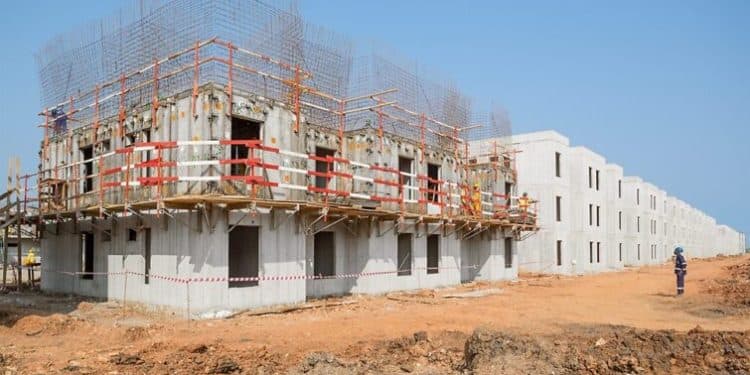
The decline in building cost inflation can be attributed to a combination of factors, including a decrease in the cost of raw materials and a stabilization of the currency. David Owusu, an economist at the GSS, noted that "the reduction in inflation is a result of the government's efforts to manage the economy and control prices. The decrease in the cost of raw materials, such as cement and steel, has also contributed to the decline in building cost inflation." The GSS report also indicates that the inflation rate for the building sector has been trending downwards over the past year, with the current rate being the lowest in several months.
Impact on the Construction Industry
The decline in building cost inflation is expected to have a positive impact on the construction industry, as it will make building projects more affordable and increase demand for construction services. Emmanuel Martey, CEO of Martey Construction, a leading construction company in Ghana, stated that "the reduction in building cost inflation is a welcome development for the construction industry. It will enable us to undertake more projects and create jobs, which will have a positive impact on the economy." The construction industry is a significant contributor to Ghana's economy, and any increase in activity in this sector is likely to have a positive impact on the country's GDP.
The decline in building cost inflation is also expected to make Ghana more attractive to investors, particularly those in the real estate sector. Dr. Kojo Ansah, a lecturer at the University of Ghana's Department of Construction Management, noted that "the reduction in building cost inflation will make Ghana a more attractive destination for investors, particularly those in the real estate sector. This could lead to an increase in foreign investment, which will have a positive impact on the economy." The real estate sector is a significant contributor to Ghana's economy, and any increase in investment in this sector is likely to have a positive impact on the country's economic growth.
Challenges Ahead
Despite the decline in building cost inflation, there are still challenges facing the construction industry in Ghana. One of the major challenges is the lack of access to credit, which can make it difficult for construction companies to undertake large-scale projects. Samuel Amponsah, CEO of the Ghana Chamber of Construction Industry, stated that "while the reduction in building cost inflation is a positive development, the lack of access to credit remains a major challenge for the construction industry. We need to find ways to address this challenge in order to unlock the full potential of the industry." The government has been working to address this challenge, and has implemented policies aimed at increasing access to credit for small and medium-sized enterprises, including those in the construction industry.
"The decline in building cost inflation is a positive development for the construction industry, but we need to be cautious and ensure that the trend continues. We will continue to monitor the situation and work with stakeholders to address any challenges that may arise." - David Owusu, economist at the GSS
The decline in building cost inflation is a positive development for Ghana's construction industry, and is expected to have a positive impact on the country's economy. However, there are still challenges facing the industry, and stakeholders need to work together to address these challenges and unlock the full potential of the industry. As the government continues to implement policies aimed at managing the economy and controlling prices, it is likely that the trend of declining building cost inflation will continue, which will have a positive impact on the construction industry and the economy as a whole.
Looking Ahead
In the coming months, it is expected that the construction industry will continue to grow, driven by the decline in building cost inflation and the government's efforts to increase access to credit. Emmanuel Martey, CEO of Martey Construction, noted that "we are optimistic about the future of the construction industry in Ghana. The decline in building cost inflation and the government's efforts to increase access to credit will enable us to undertake more projects and create jobs, which will have a positive impact on the economy." As the industry continues to grow, it is likely that Ghana will become an increasingly attractive destination for investors, particularly those in the real estate sector.
In conclusion, the decline in building cost inflation to 3.9 per cent in January 2026 is a positive development for Ghana's construction industry, and is expected to have a positive impact on the country's economy. While there are still challenges facing the industry, stakeholders are working together to address these challenges and unlock the full potential of the industry. As the government continues to implement policies aimed at managing the economy and controlling prices, it is likely that the trend of declining building cost inflation will continue, which will have a positive impact on the construction industry and the economy as a whole. The future of the construction industry in Ghana looks bright, and it is expected that the industry will continue to play a significant role in driving the country's economic growth.