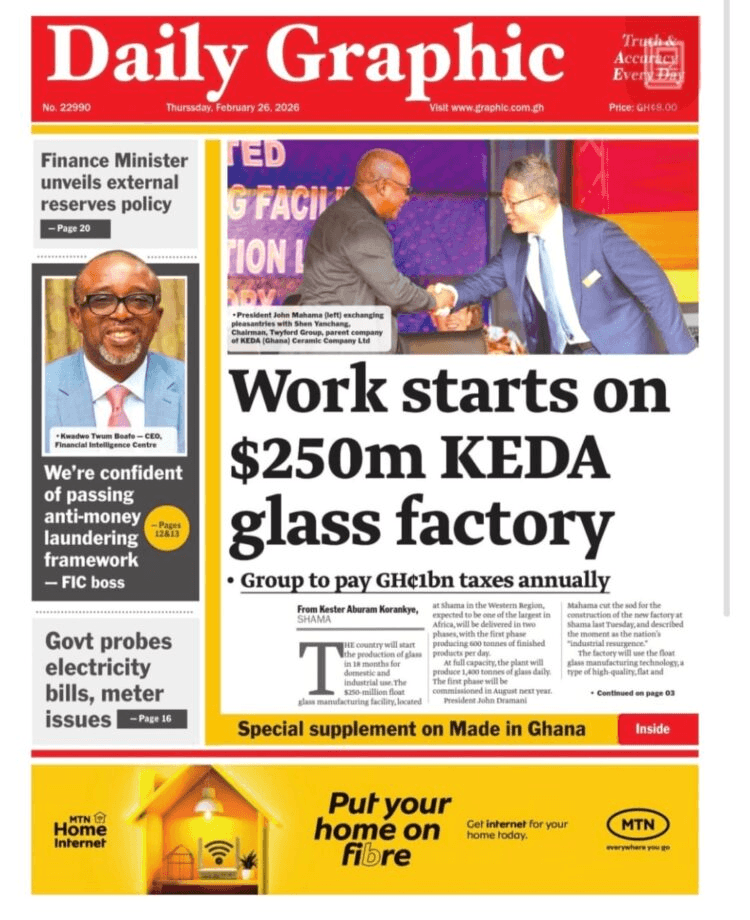
Major dailies such as The Chronicle, The Daily Dispatch, and The National Standard have prominently featured the government’s latest economic measures aimed at stabilizing the local currency and curbing inflation, albeit with a heavy dose of public skepticism. Political analysts suggest that the consensus on these critical issues underscores the urgency felt across the country, as citizens grapple with the rising cost of living.
Economic Woes Dominate Headlines
The economy remains the undisputed top story, with headlines screaming about the relentless increase in commodity prices and the local currency's continued depreciation against major international benchmarks. "Inflation Bites Harder: New Measures Under Fire," blares The Chronicle, detailing public outcry over fuel price hikes and food costs. The paper reports that the latest figures from the National Statistical Office indicate an annual inflation rate pushing past 30%, intensifying pressure on households and businesses alike.
Meanwhile, The Daily Dispatch leads with "Government Defends Austerity Package Amidst IMF Talks," highlighting Finance Minister Dr. Anya Nkrumah's recent address to the nation. Dr. Nkrumah reportedly reiterated the administration's commitment to fiscal discipline, asserting that the proposed expenditure cuts and revenue generation strategies are vital for securing the next tranche of a crucial International Monetary Fund (IMF) facility. "These are difficult but necessary decisions," Dr. Nkrumah was quoted as saying during a press briefing yesterday. "We are laying the groundwork for sustainable growth, and the short-term sacrifices will yield long-term stability for all citizens."
However, economic experts express caution. Dr. Kwame Mensah, a Senior Economist at the Institute for Policy Research, told reporters,
"While the government's intentions are clear, the efficacy of these measures hinges on their timely and transparent implementation. Public trust is at an all-time low, and without clear evidence of impact, these front-page pronouncements will do little to quell the widespread anxiety." Dr. Mensah further stressed the need for targeted social interventions to cushion the most vulnerable segments of the population.
Parliamentary Showdown Over New Tax Bill
In the political arena, a fierce debate is underway in Parliament concerning the controversial "Economic Recovery Levy Bill 2026." Newspapers like The National Standard have dedicated significant front-page real estate to the legislative battle, running with the headline "Tax Bill Divides Parliament: Opposition Vows Resistance." The proposed bill seeks to introduce new taxes on electronic transactions and an expanded value-added tax (VAT) base, which the government argues is essential to broaden the tax net and fund critical public services.
The opposition, however, views the bill as an additional burden on an already struggling populace. Honourable Adwoa Serwaa, the Minority Leader, was quoted in The National Standard stating,
"This bill is tone-deaf to the realities faced by ordinary citizens. It will only exacerbate their hardship, stifle small businesses, and drive more people into poverty. We will fight this regressive tax proposal with every fibre of our being."Reports indicate that parliamentary proceedings yesterday were marked by heated exchanges and procedural delays, suggesting a prolonged legislative tussle.
Civil society organizations have also weighed in, with the Coalition for Economic Justice issuing a statement, prominently featured in several regional papers, calling for a more equitable tax system. "The burden of economic recovery cannot fall disproportionately on the shoulders of the poor and middle class," read a portion of their statement. "We urge Parliament to reconsider punitive measures and explore alternative revenue streams that do not stifle economic activity."
Regional Security Takes Center Stage
Beyond domestic economic and political concerns, the front pages also highlighted critical regional developments. The Guardian Post led with "Leaders Converge for Crucial Security Summit," reporting on the ongoing West African Economic Community (WAEC) extraordinary summit taking place in a neighboring capital. The summit's agenda is dominated by discussions on escalating cross-border terrorism, regional instability, and collaborative strategies to enhance security cooperation among member states.
General Kofi Mensah (Rtd.), a security analyst, provided commentary to The National Standard, emphasizing the importance of a unified front.
"The threat of extremism knows no borders. The decisions made at this summit will be pivotal in shaping our collective security architecture for years to come. It's not just about military cooperation, but also addressing the root causes of radicalization, such as poverty and lack of opportunity."Reports suggest that leaders are expected to sign a new regional security pact aimed at intelligence sharing and joint military exercises.
Other Noteworthy Stories
While economic and security issues dominated, other significant stories garnered front-page attention. The People's Voice carried a story on the progress of a major national infrastructure project, headlining it "Coastal Highway Expansion Nears Completion, Promises Economic Boost." The report detailed the positive impact expected on trade and tourism once the multi-billion-dollar project is commissioned later this year. Additionally, several papers featured human-interest stories, including a feature on innovative local entrepreneurs defying the economic downturn.
As Myjoyonline.com continues to provide a comprehensive overview of the nation's print media landscape, the recurring themes of economic struggle, political debate, and regional stability underscore a period of profound challenges and critical decision-making. The front pages of Thursday, February 26, 2026, serve as a vivid snapshot of a nation grappling with its immediate future, with citizens eagerly awaiting concrete actions and tangible relief from their leaders.