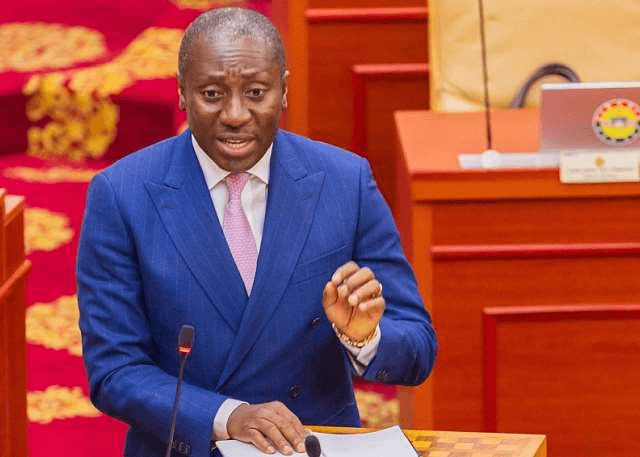
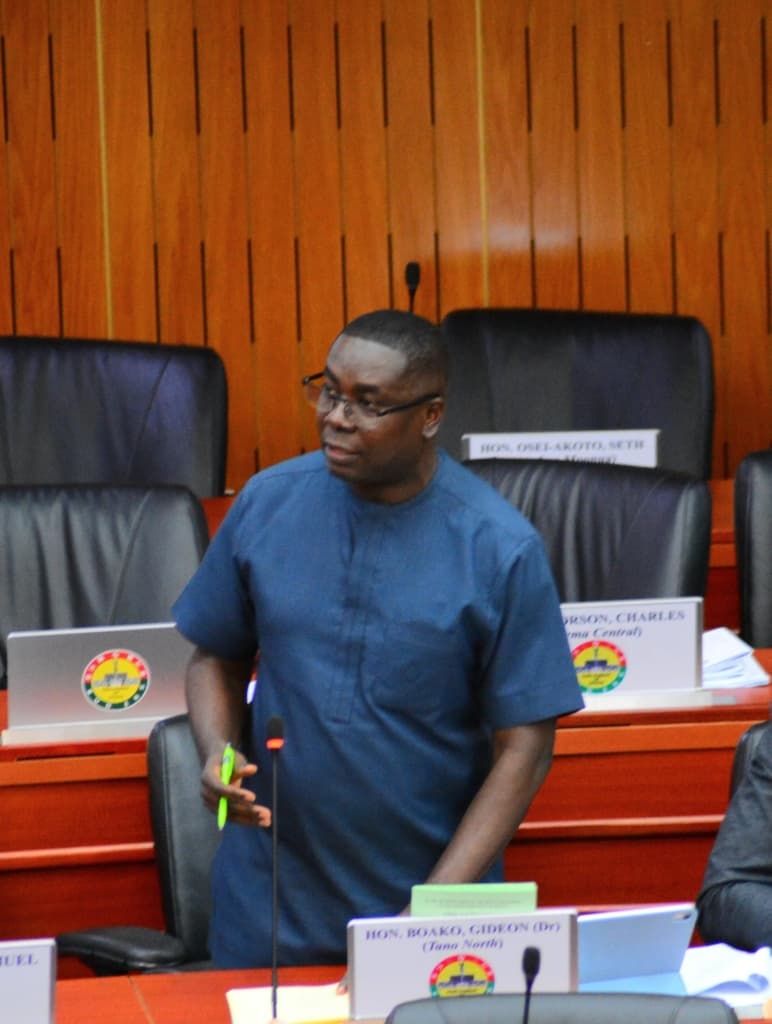
The G4R policy, introduced by Bawumia during his tenure as Vice President, aimed to reduce the country's unemployment rate by providing incentives to businesses to hire more employees. The policy was touted as a game-changer, with promises of creating thousands of jobs and stimulating economic growth. However, the policy's effectiveness was met with skepticism by some experts, who argued that it did not address the root causes of unemployment in the country. Now, with the introduction of the GANRAP policy, Dr. Boako is questioning the government's motives, alleging that the rebranding is an attempt to distract from the policy's lack of originality.
Expert Analysis
Economists and policy analysts have weighed in on the debate, with some expressing concerns that the rebranding of the policy may be a sign of a larger problem. "The fact that the government is rebranding a policy that was introduced by a previous administration raises questions about the government's commitment to innovation and progress," said Dr. Ama Biney, a lecturer at the University of Ghana's Economics Department. "It suggests that the government is more interested in claiming ownership of a policy than in developing new and effective solutions to the country's problems." Dr. Biney added that the rebranding of the policy may also be a sign of a lack of coordination and communication between different government agencies, which could lead to confusion and inefficiency in the implementation of the policy.
"The government needs to be transparent about the similarities and differences between the G4R and GANRAP policies," said Dr. Boako. "If the policy is indeed a rehashing of existing ideas, then the government needs to explain why it is being rebranded and what new benefits it will bring to the country. The Ghanaian people deserve to know what they are getting, and they deserve to know that their government is working in their best interests."
The Ministry of Finance has responded to Dr. Boako's accusations, denying that the GANRAP policy is a rebranding of the G4R policy. According to a statement released by the ministry, the GANRAP policy is a new and innovative approach to addressing the country's unemployment challenges. The statement claims that the policy has been designed to take into account the changing needs of the economy and the labor market, and that it includes new and improved measures to support businesses and job creation. However, the statement does not provide any specific details about the policy or how it differs from the G4R policy, leading some to question the government's claims.
Implications and Next Steps
The accusations of rebranding have significant implications for the government's credibility and its ability to implement effective policies. If the government is found to have rebranded a policy without making any significant changes, it could damage the government's reputation and erode trust among the public. On the other hand, if the government can demonstrate that the GANRAP policy is a genuine innovation, it could boost the government's credibility and provide a much-needed boost to the economy. As the debate continues, it remains to be seen how the government will respond to the accusations and what steps it will take to address the concerns of policymakers and economists.
In conclusion, the accusation that the government has rebranded a policy introduced by the former Vice President of Ghana has sparked a heated debate about the government's commitment to innovation and progress. While the government has denied the accusations, the lack of transparency and clarity around the GANRAP policy has raised concerns among experts and policymakers. As the government moves forward with the implementation of the policy, it will be important to provide clear and concise information about the policy's benefits and how it will address the country's unemployment challenges. The Ghanaian people deserve to know what they are getting, and they deserve to know that their government is working in their best interests. Only time will tell if the government will be able to deliver on its promises and provide a brighter future for the country.