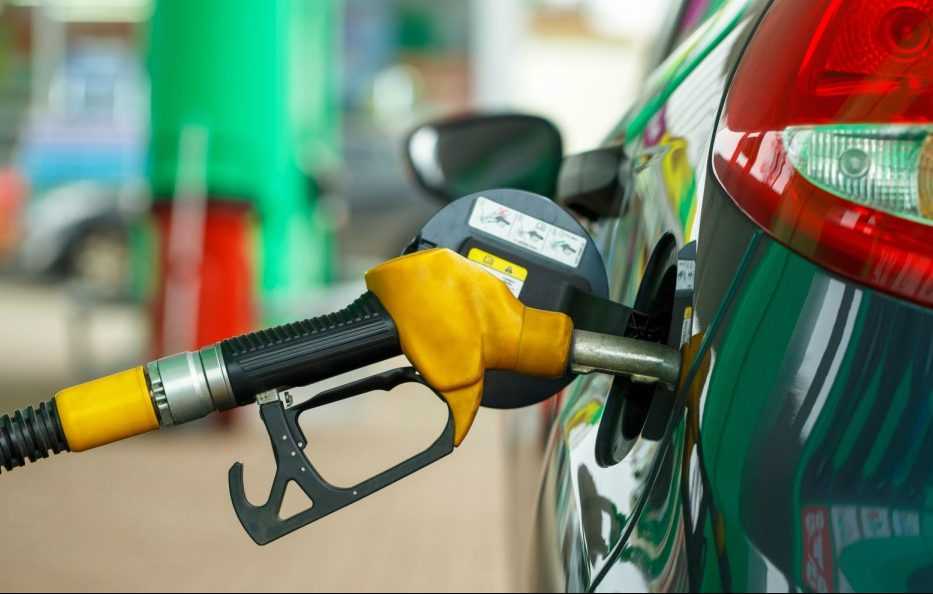
The cedi, which had shown signs of stability in recent weeks, has appreciated slightly against major currencies, including the US dollar. However, this appreciation has been more than offset by the increase in global crude prices, which have risen due to a combination of factors, including geopolitical tensions, supply chain disruptions, and increased demand. As a result, the landed cost of fuel products has gone up, making it inevitable that these costs will be passed on to consumers. "The increase in global crude prices is a major concern for us, as it has a direct impact on the cost of fuel products," said Duncan Amoah, Executive Secretary of COPEC. "While the cedi's appreciation is a positive development, it is not enough to offset the rise in crude prices, and we expect fuel prices to go up in the March pricing window."
Impact on Consumers and Businesses
The expected hike in fuel prices is likely to have a significant impact on consumers and businesses, particularly those in the transportation and manufacturing sectors. Fuel prices are a major component of the cost of doing business, and any increase in these costs is likely to be passed on to consumers. This could lead to higher prices for goods and services, further exacerbating the already high cost of living. "The increase in fuel prices will be a major blow to businesses, particularly small and medium-sized enterprises (SMEs), which are already struggling to stay afloat," said Dr. John Kumah, Chief Executive Officer of the National Chamber of Commerce and Industry. "We urge the government to take steps to mitigate the impact of the fuel price hike on businesses and consumers, such as reducing taxes on fuel products or providing subsidies to vulnerable groups."
In addition to the impact on consumers and businesses, the fuel price hike is also likely to have implications for the country's inflation rate. Fuel prices are a key component of the inflation basket, and any increase in these prices is likely to drive up inflation. This could lead to higher interest rates, as the central bank seeks to curb inflationary pressures and maintain economic stability. "The fuel price hike is a major risk factor for inflation, and we will be closely monitoring the situation to determine the appropriate policy response," said Dr. Ernest Addison, Governor of the Bank of Ghana. "We will take all necessary steps to ensure that inflation remains within our target range, while also promoting economic growth and stability."
Government Response
The government has come under pressure to take steps to mitigate the impact of the fuel price hike on consumers and businesses. While the government has not yet announced any specific measures, it is likely that some form of intervention will be necessary to reduce the impact of the price hike. This could include reducing taxes on fuel products, providing subsidies to vulnerable groups, or implementing price controls. "We are aware of the concerns surrounding the fuel price hike, and we are working on a comprehensive plan to address these concerns," said Hon. Matthew Opoku Prempeh, Minister of Energy. "We will do everything in our power to reduce the impact of the price hike on consumers and businesses, while also ensuring that the energy sector remains viable and sustainable."
The fuel price hike is a major challenge, but it also presents an opportunity for us to rethink our energy policy and promote the use of alternative energy sources. We must work together to address this challenge and create a more sustainable energy future for our country.said Dr. Mohammed Amin Adam, Deputy Minister of Energy.
In conclusion, the expected hike in fuel prices for the March 2026 pricing window is a major concern for consumers and businesses alike. While the cedi's appreciation is a positive development, it is not enough to offset the rise in global crude prices. The government must take steps to mitigate the impact of the price hike, while also promoting a more sustainable energy future for the country. As the situation continues to evolve, it is essential that all stakeholders work together to address the challenges posed by the fuel price hike and create a more stable and prosperous energy sector.