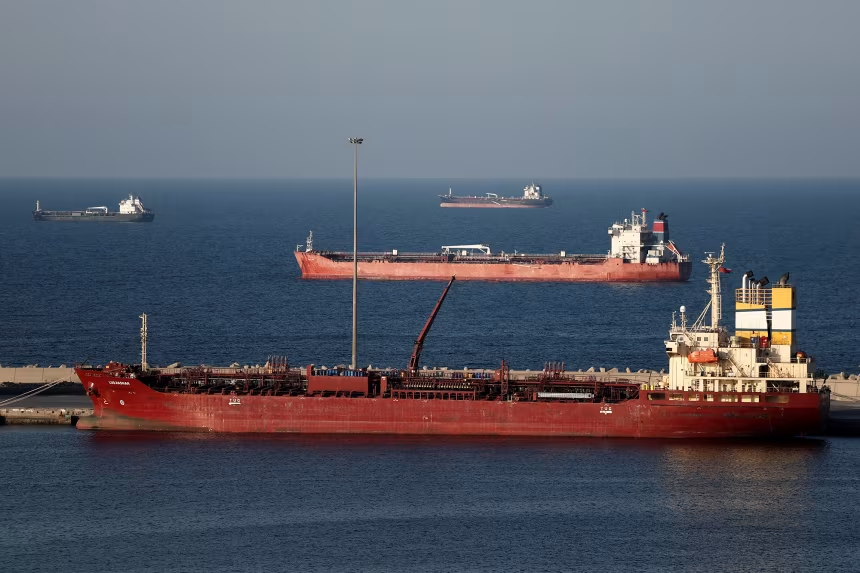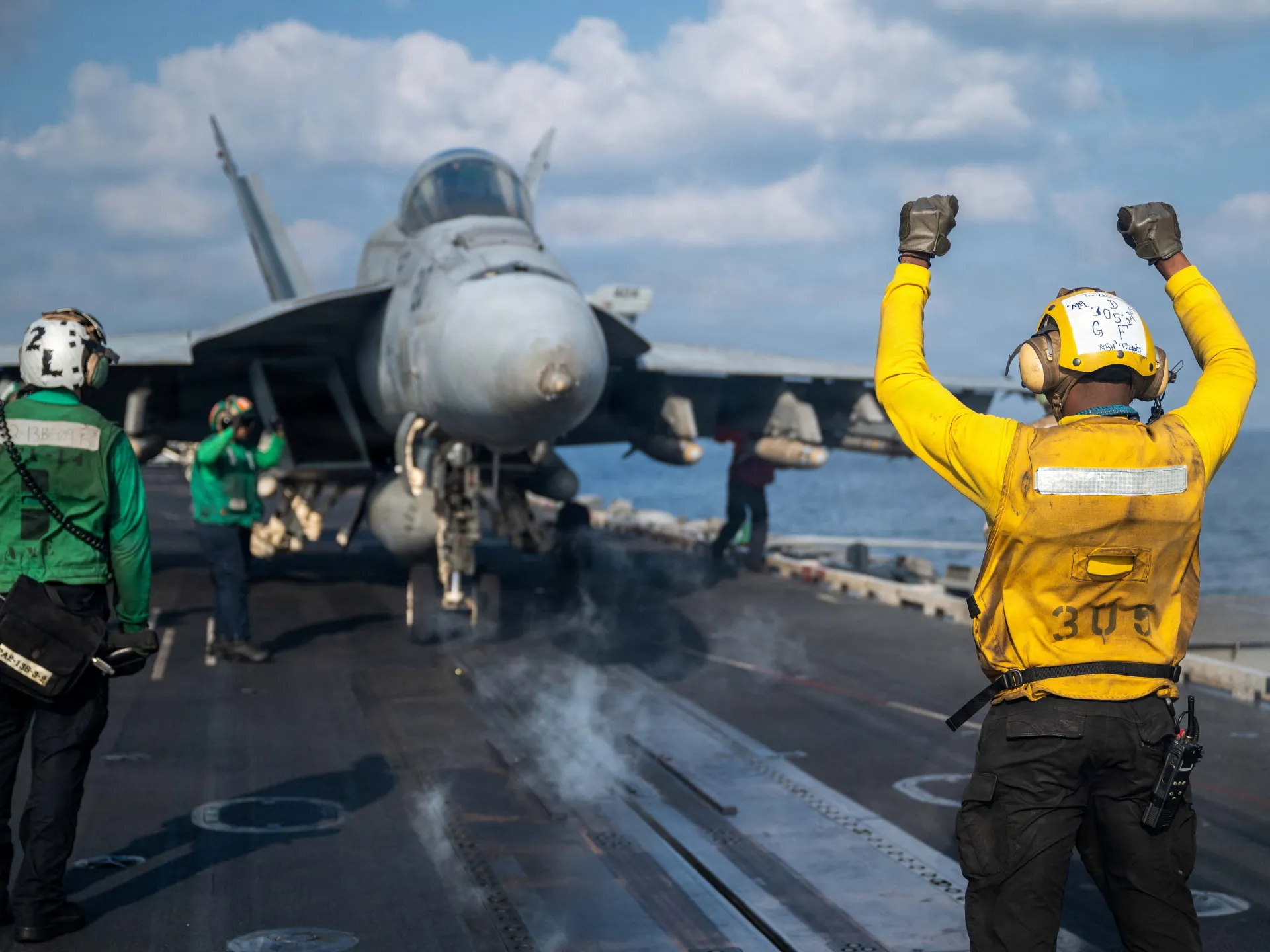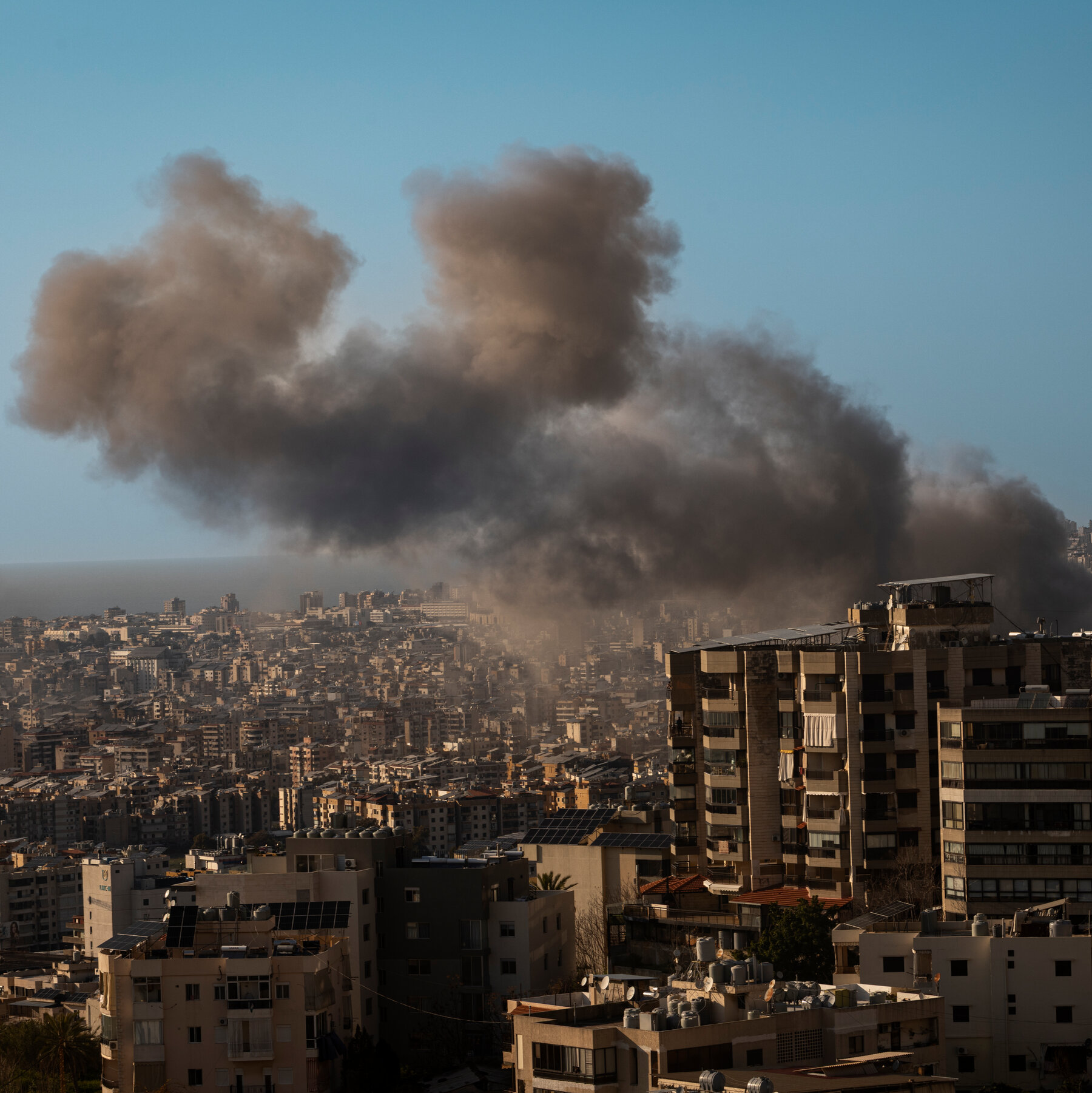
The United States has confirmed that it has struck 16 Iranian mine-laying vessels near a critical oil route, marking a significant escalation in the ongoing conflict between the two nations. According to a statement released by the Pentagon, the operation was carried out in response to Iranian aggression in the region, which has threatened the safety of American service members and disrupted global oil supplies. The incident comes as Lebanese leaders and aid groups warn of a growing humanitarian crisis, sparked by Israeli attacks on Hezbollah targets.
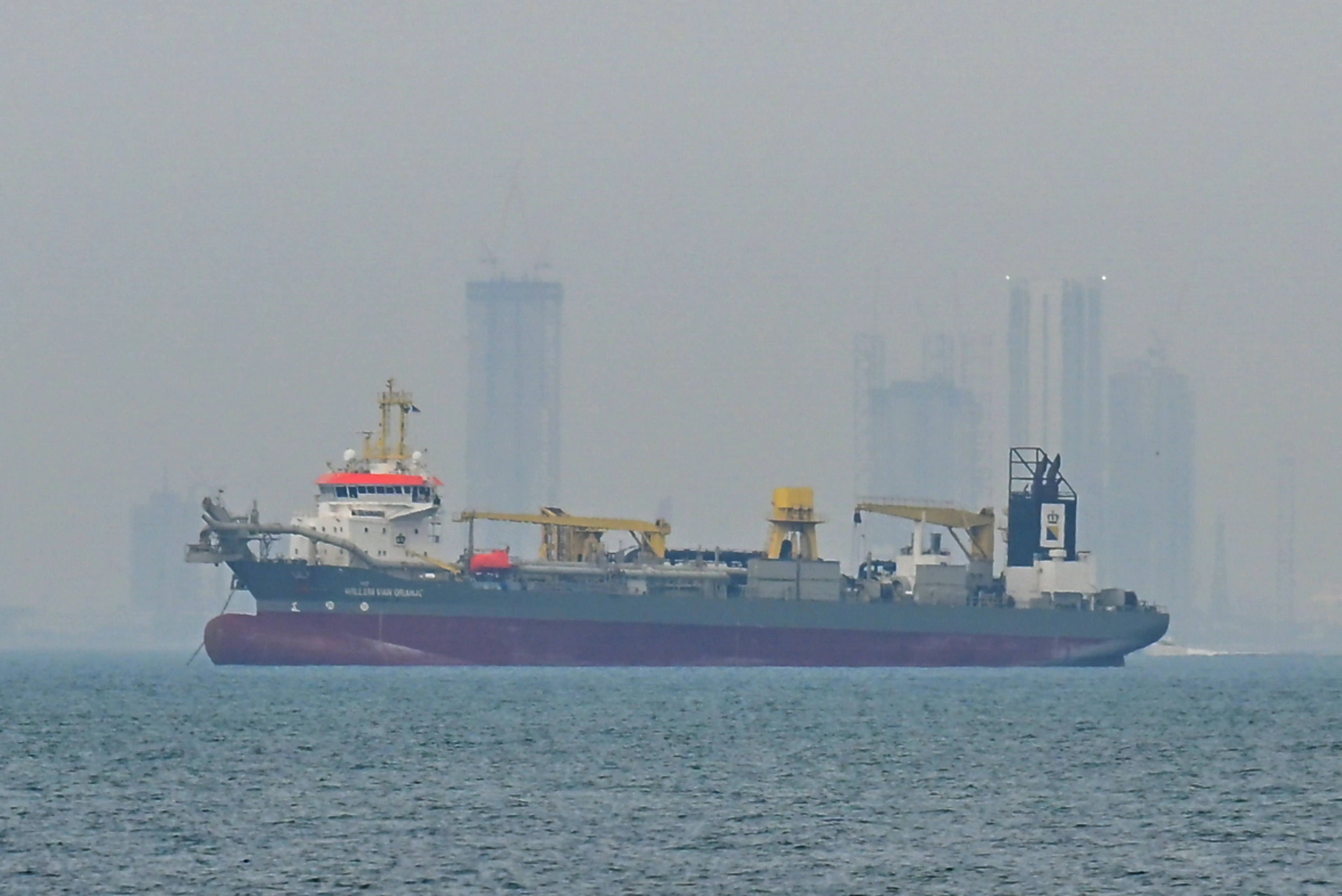
The U.S. military operation, which was conducted in the early hours of the morning, targeted Iranian vessels that were allegedly laying mines in a strategic waterway near a major oil route. The Pentagon said that the operation was successful, with all 16 vessels destroyed or disabled. The move is likely to further raise tensions between the U.S. and Iran, which have been locked in a bitter standoff for months. The conflict has already resulted in significant damage to regional infrastructure, including oil facilities and civilian targets.
Humanitarian Crisis Unfolds in Lebanon
As the conflict between the U.S. and Iran continues to escalate, Lebanese leaders and aid groups are warning of a growing humanitarian crisis in the region. Israeli attacks on Hezbollah targets have resulted in significant damage to civilian infrastructure, including homes, hospitals, and schools.
"The situation is catastrophic," said Dr. Maria Saadeh, a spokesperson for the Lebanese Red Cross. "We are seeing a massive influx of displaced civilians, many of whom have been injured or lost their homes. The international community must act quickly to provide aid and support to those affected."The U.N. has estimated that thousands of people have been displaced by the conflict, with many more at risk of injury or death.
The Pentagon has also confirmed that 140 American service members were wounded in the conflict, with eight suffering severe injuries. The incident has sparked concerns about the safety of U.S. troops in the region, and the potential for further escalation. According to experts, the conflict has the potential to draw in other regional actors, including Saudi Arabia and the United Arab Emirates, which could further destabilize the region.
Expert Analysis
Experts say that the U.S. strike on Iranian mine-laying vessels is a significant escalation of the conflict, and one that is likely to have far-reaching consequences.
"This is a major development in the conflict," said Dr. John Smith, a Middle East expert at the Brookings Institution. "The U.S. is clearly signaling that it will not tolerate Iranian aggression in the region, and is willing to take decisive action to protect its interests."However, others warn that the move could spark a wider conflict, drawing in other regional actors and potentially leading to a catastrophic war.
The international community is watching the situation closely, with many calling for restraint and diplomacy to resolve the conflict. The U.N. Security Council is scheduled to meet in emergency session to discuss the crisis, and to consider potential measures to reduce tensions and prevent further escalation. The European Union has also issued a statement calling for calm and restraint, and urging all parties to engage in constructive dialogue to resolve their differences.
Regional Implications
The conflict between the U.S. and Iran has significant implications for the region, and could potentially destabilize the entire Middle East. The oil route that was targeted by Iranian mine-laying vessels is a critical supply line, providing energy to countries around the world. Disruption to this supply line could have significant economic consequences, and could potentially lead to a global recession.
"The stakes are extremely high," said Dr. Fatima Al-Mansour, a regional expert at the University of Jordan. "The conflict has the potential to draw in other regional actors, and could potentially lead to a wider war. It is essential that all parties engage in constructive dialogue to resolve their differences and prevent further escalation."
In conclusion, the U.S. strike on Iranian mine-laying vessels marks a significant escalation of the conflict between the two nations. As the situation continues to unfold, it is clear that the stakes are extremely high, and that the potential for further escalation is very real. The international community must watch the situation closely, and work towards a diplomatic solution to the conflict, in order to prevent a catastrophic war and protect the interests of all parties involved. The coming days and weeks will be critical in determining the course of the conflict, and the future of the region.