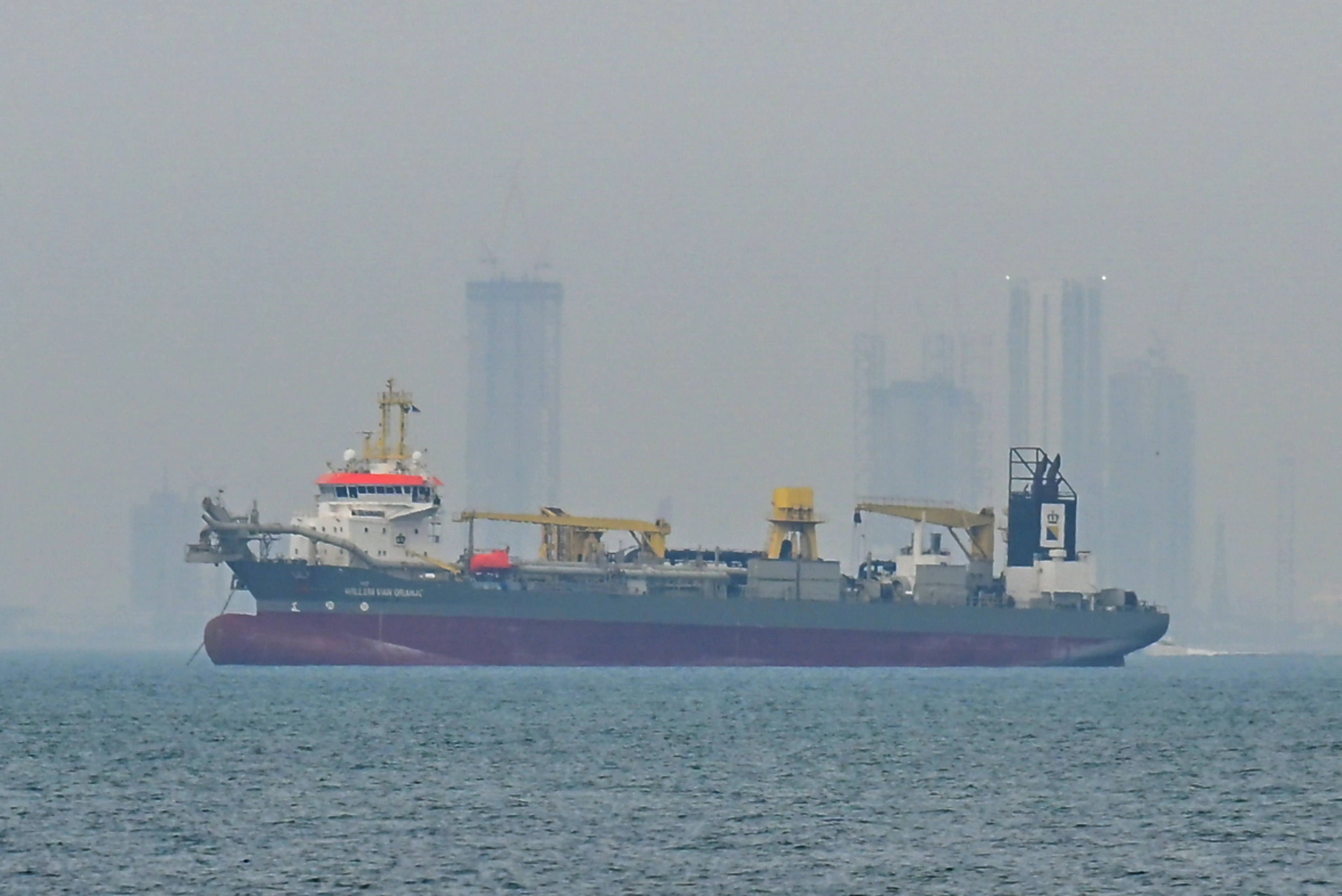
The escalating conflict between Iran and the US has sparked concerns about the potential impact on global energy trade, with experts warning of soaring electricity costs and disruptions to data centers. The Strait of Hormuz, a critical waterway that handles 20 percent of global energy trade, has become a focal point in the conflict, with increased maritime traffic and a buildup of vessels waiting to pass through the strait. According to Dr. Maria Rodriguez, a senior energy analyst at the International Energy Agency, "The situation in the Strait of Hormuz is a major concern for the global energy market, and any disruption to oil and gas shipments could have far-reaching consequences for electricity costs and data center operations."
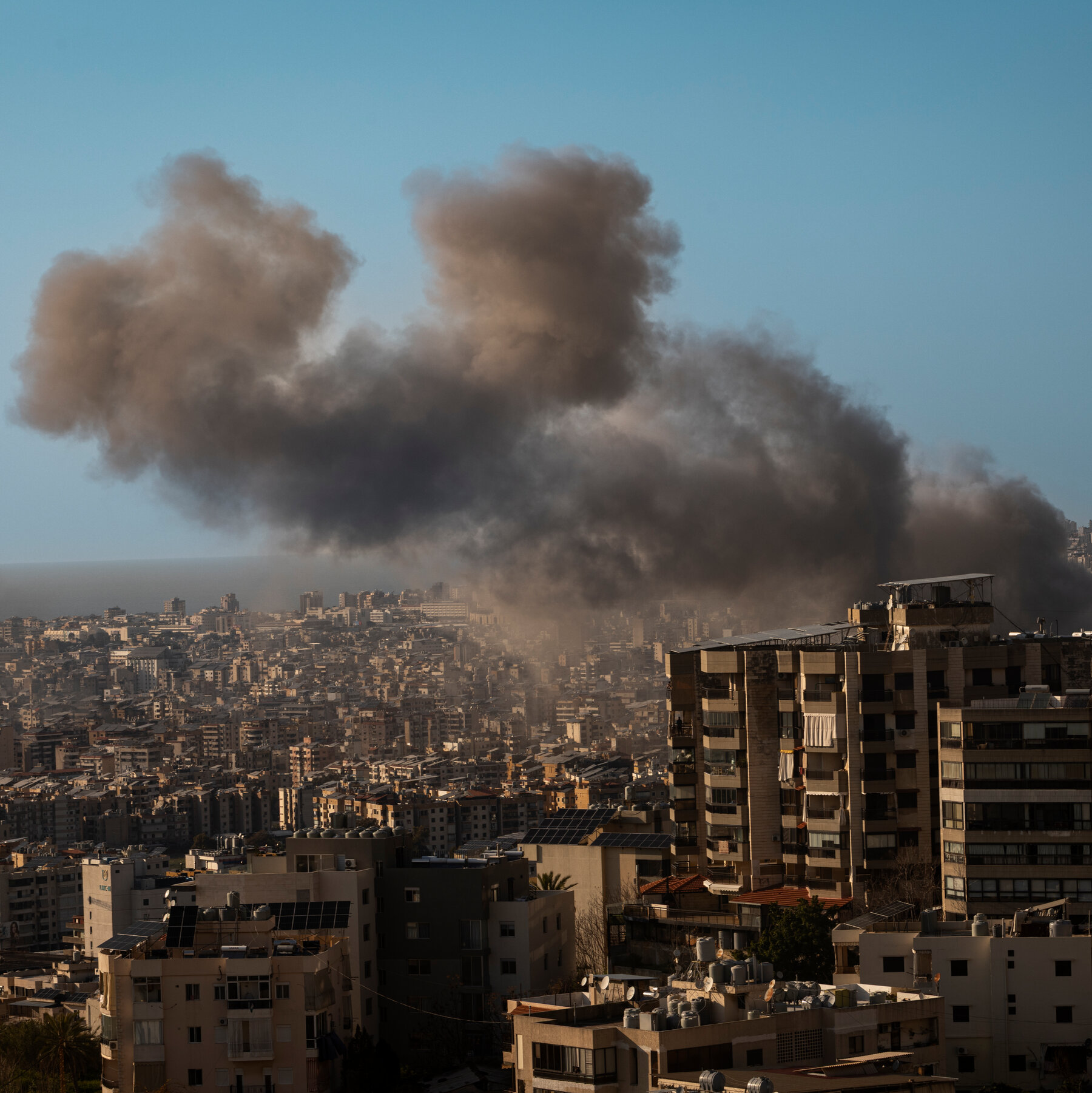
The conflict has already led to a surge in oil and gas prices, with Brent crude oil prices increasing by over 10 percent in the past week alone. This price increase is likely to have a ripple effect on electricity costs, as many data centers rely on fossil fuels to power their operations. John Lee, CEO of DataCenter Inc., a leading provider of data center services, notes that "Any increase in electricity costs will have a direct impact on our bottom line, and we are already exploring alternative energy sources to mitigate this risk." As the conflict continues to escalate, data center operators are bracing themselves for potential disruptions to their operations, including power outages and equipment damage.
Energy Infrastructure: A Key Leverage Point
Energy infrastructure has become a key leverage point in the conflict, with both sides seeking to gain an advantage by targeting each other's energy assets. The Iranian government has threatened to disrupt oil shipments through the Strait of Hormuz, while the US has imposed sanctions on Iranian energy exports. According to Reed Blakemore, director of research and programs at the Atlantic Council Global Energy Center, "The conflict is likely to have a long-term impact on the global energy market, and energy infrastructure will be a key factor in determining the outcome." As the situation continues to unfold, experts are warning of the potential for cascading failures in the global energy system, which could have devastating consequences for data centers and other critical infrastructure.
"The global energy system is a complex network of interconnected systems, and any disruption to one part of the system can have far-reaching consequences. As the conflict in Iran continues to escalate, we are seeing a perfect storm of factors that could lead to a major disruption in the global energy market." - Dr. David Taylor, energy security expert at the University of California
In response to the growing concerns, data center operators are taking steps to mitigate the risks associated with the conflict. Many are exploring alternative energy sources, such as renewable energy and energy storage, to reduce their reliance on fossil fuels. Others are implementing backup power systems and disaster recovery plans to ensure business continuity in the event of a disruption. According to Michael Chen, CTO of GreenData Inc., a leading provider of green data center solutions, "We are seeing a growing demand for sustainable data center solutions that can reduce the risks associated with fossil fuel price volatility and ensure business continuity in the face of uncertainty."
Global Implications
The conflict in Iran has far-reaching implications for the global economy, and the potential impact on data centers and electricity costs is just one aspect of a much larger story. As the situation continues to unfold, experts are warning of the potential for global economic instability and trade disruptions. According to Dr. Sophia Patel, a leading economist at the World Bank, "The conflict in Iran has the potential to disrupt global trade flows and lead to economic instability, which could have far-reaching consequences for businesses and consumers around the world." As the international community seeks to find a resolution to the conflict, data center operators and businesses are bracing themselves for the potential impact on their operations and bottom line.
In conclusion, the escalating conflict between Iran and the US has sparked concerns about the potential impact on global energy trade, with experts warning of soaring electricity costs and disruptions to data centers. As the situation continues to unfold, data center operators are taking steps to mitigate the risks associated with the conflict, including exploring alternative energy sources and implementing backup power systems. However, the potential impact on the global economy and trade flows is a much larger concern, and one that will require a coordinated effort from governments and businesses around the world to resolve. As Dr. Rodriguez notes, "The conflict in Iran is a wake-up call for the global energy market, and it highlights the need for sustainable and resilient energy solutions that can mitigate the risks associated with fossil fuel price volatility and ensure business continuity in the face of uncertainty."