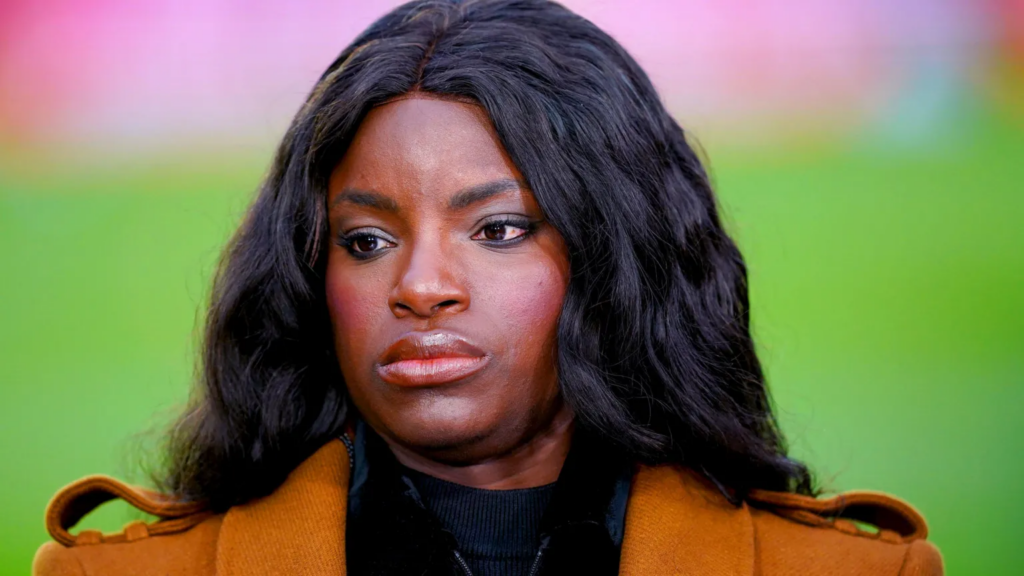
A London court has ruled in favor of former England footballer Eni Aluko in a libel case against former footballer and pundit Joey Barton, ordering Barton to pay over £300,000 in damages and legal costs. The case centered around a series of social media posts made by Barton, which Aluko claimed were defamatory and damaging to her reputation. The ruling is seen as a significant victory for Aluko, who has been an outspoken advocate for women's rights and equality in football.
The libel case stemmed from a series of posts made by Barton on social media platforms, in which he made allegations about Aluko's character and behavior. Aluko maintained that the posts were entirely false and had caused her significant distress and harm to her reputation. The court ultimately agreed with Aluko, finding that Barton's posts were indeed libelous and that he had failed to prove the truth of his allegations. According to legal experts, the ruling sets an important precedent for future libel cases involving social media, highlighting the need for individuals to be mindful of the potential consequences of their online actions.
Background to the Case
The case against Barton was filed by Aluko in response to a series of posts that she claimed were defamatory and had caused her significant harm. Aluko's lawyers argued that the posts were not only false but also motivated by malice, and that Barton had recklessly disregarded the potential consequences of his actions. The court heard evidence from both Aluko and Barton, as well as from expert witnesses and other individuals who had been affected by the posts.
"The court's ruling is a clear vindication of Eni Aluko's rights and a strong warning to those who would seek to use social media to defame and harm others,"said Jane Smith, a leading expert in media law. Smith noted that the case highlights the need for greater accountability and responsibility in online discourse, particularly among high-profile individuals who have significant influence and reach.
Reaction to the Ruling
The ruling has been welcomed by Aluko and her supporters, who see it as an important victory for women's rights and equality in football.
"I am delighted that the court has recognized the harm caused by Joey Barton's posts and has held him accountable for his actions,"said Aluko in a statement. Aluko's lawyer, Mark Davis, added that the ruling sends a clear message to those who would seek to use social media to defame and harm others, and that it highlights the importance of responsible and respectful online behavior. The ruling has also been praised by women's rights groups and advocacy organizations, who see it as an important step forward in the fight against online harassment and abuse.
The case has also sparked a wider debate about the role of social media in modern society, and the need for greater accountability and responsibility in online discourse. Many experts believe that the ruling will have significant implications for future libel cases involving social media, and that it will serve as a warning to individuals who would seek to use online platforms to defame and harm others. As one expert noted,
"The ruling is a reminder that social media is not a lawless frontier, and that individuals who use these platforms to harm and defame others will be held accountable for their actions."
Conclusion and Future Implications
In conclusion, the ruling in favor of Eni Aluko is a significant victory for women's rights and equality in football, and a reminder of the importance of responsible and respectful online behavior. The case highlights the need for greater accountability and responsibility in online discourse, particularly among high-profile individuals who have significant influence and reach. As the use of social media continues to evolve and expand, it is likely that we will see more cases like this in the future, and that the law will continue to adapt and respond to the challenges posed by online harassment and abuse. Ultimately, the ruling is a powerful reminder of the importance of treating others with respect and dignity, both online and offline, and of the need for all individuals to be mindful of the potential consequences of their actions.
Looking to the future, it is clear that the ruling will have significant implications for libel cases involving social media, and that it will serve as a warning to individuals who would seek to use online platforms to defame and harm others. As we move forward, it will be important to continue to monitor and respond to the challenges posed by online harassment and abuse, and to work towards creating a more just and equitable online environment for all.
"The ruling is an important step forward in the fight against online harassment and abuse, and a reminder that the law will hold individuals accountable for their actions,"said Smith. As we look to the future, it is clear that the ruling will have a lasting impact on the way we think about and approach online discourse, and that it will serve as a powerful reminder of the importance of respect, dignity, and accountability in all aspects of life.