The strategic Strait of Hormuz, a critical waterway that facilitates the transport of approximately one-fifth of the world's crude oil, has become the latest focal point of escalating tensions between Iran and the international community. According to two individuals familiar with US intelligence reporting on the matter, Iran has initiated the process of laying mines within the strait, a move that could potentially disrupt global energy supplies and have far-reaching economic implications. This development underscores the volatile nature of the region and highlights the need for cautious diplomatic engagement to prevent further escalation.
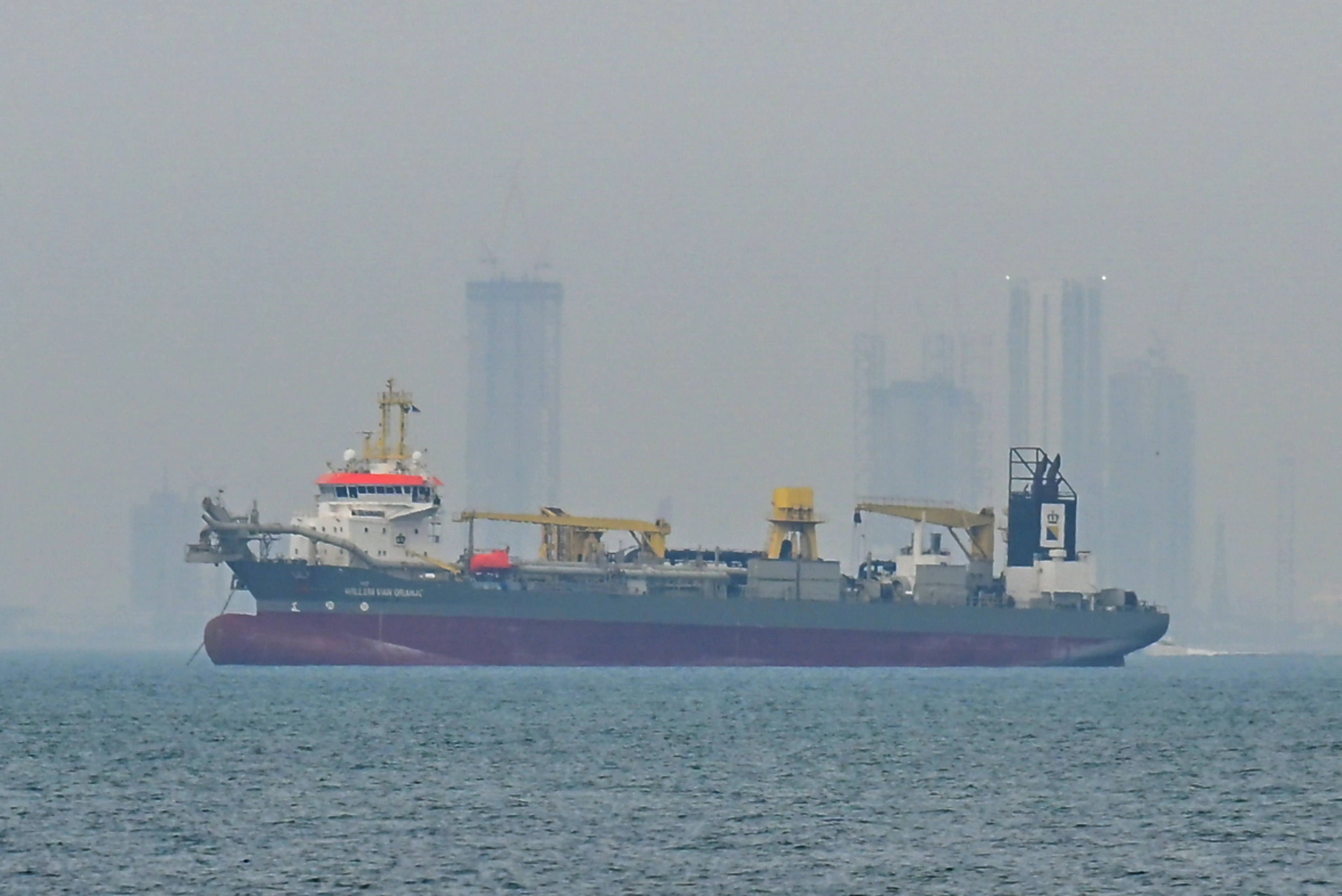
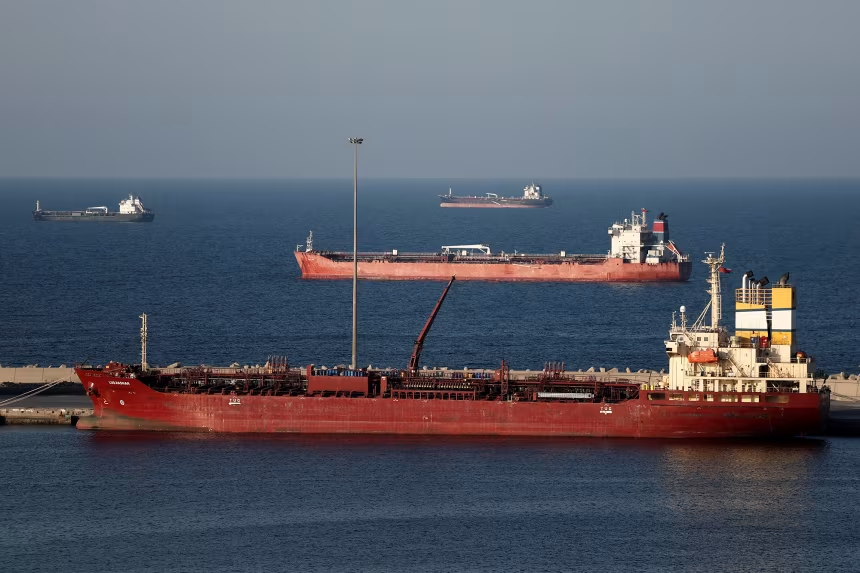
The Strait of Hormuz, which connects the Persian Gulf to the Arabian Sea, is a vital artery for international oil trade. The waterway is merely 21 miles wide at its narrowest point, making it a highly congested and sensitive area. The placement of mines within this crucial passageway could severely impact the ability of oil tankers to navigate safely, thereby threatening the stability of global energy markets. Experts warn that even a minor disruption in oil flow through the Strait of Hormuz could lead to significant price hikes and economic instability worldwide. As Dr. Maria Rossi, a leading analyst on global energy security, notes, "The mining of the Strait of Hormuz by Iran would be a highly provocative act, capable of triggering a chain reaction of events that could jeopardize global economic recovery and stability."
Geopolitical Implications
The decision by Iran to lay mines in the Strait of Hormuz is seen by many as a strategic response to increasing international pressure, particularly from the United States, over its nuclear program and regional influence. The move is likely to exacerbate existing tensions and complicate diplomatic efforts aimed at resolving the standoff. According to Admiral James Johnson, a retired naval officer with extensive experience in the region, "The deployment of mines in such a critical waterway is a serious escalation that demands a unified and robust response from the international community to safeguard the free flow of oil and maintain regional stability." Admiral Johnson further emphasized, "The potential for miscalculation and unintended conflict is high, underscoring the need for all parties to exercise restraint and engage in constructive dialogue."
"Iran's actions in the Strait of Hormuz are a clear indication of its willingness to challenge international norms and threaten global energy security. It is imperative that the international community, particularly the United Nations and other relevant bodies, condemn these actions and work towards de-escalation,"said Ambassador Elena Vasquez, a veteran diplomat with experience in Middle East affairs. Her comments reflect the widespread concern among nations about the potential consequences of Iran's actions and the necessity for a coordinated response to mitigate risks to global energy security and regional peace.
Economic and Energy Impact
The economic implications of Iran's decision to mine the Strait of Hormuz could be profound. Any disruption to oil supplies would likely lead to a surge in oil prices, affecting not only the energy sector but also having a ripple effect across various industries and economies. Higher oil prices could inflate production costs, impact consumer spending, and potentially slow down economic growth. Furthermore, the uncertainty and instability introduced by such actions could deter investment and hinder economic recovery efforts globally. As highlighted by Dr. John Taylor, an economist specializing in energy markets, "The immediate and most visible effect would be on oil prices, but the broader economic consequences, including potential inflationary pressures and decreased consumer confidence, should not be underestimated."
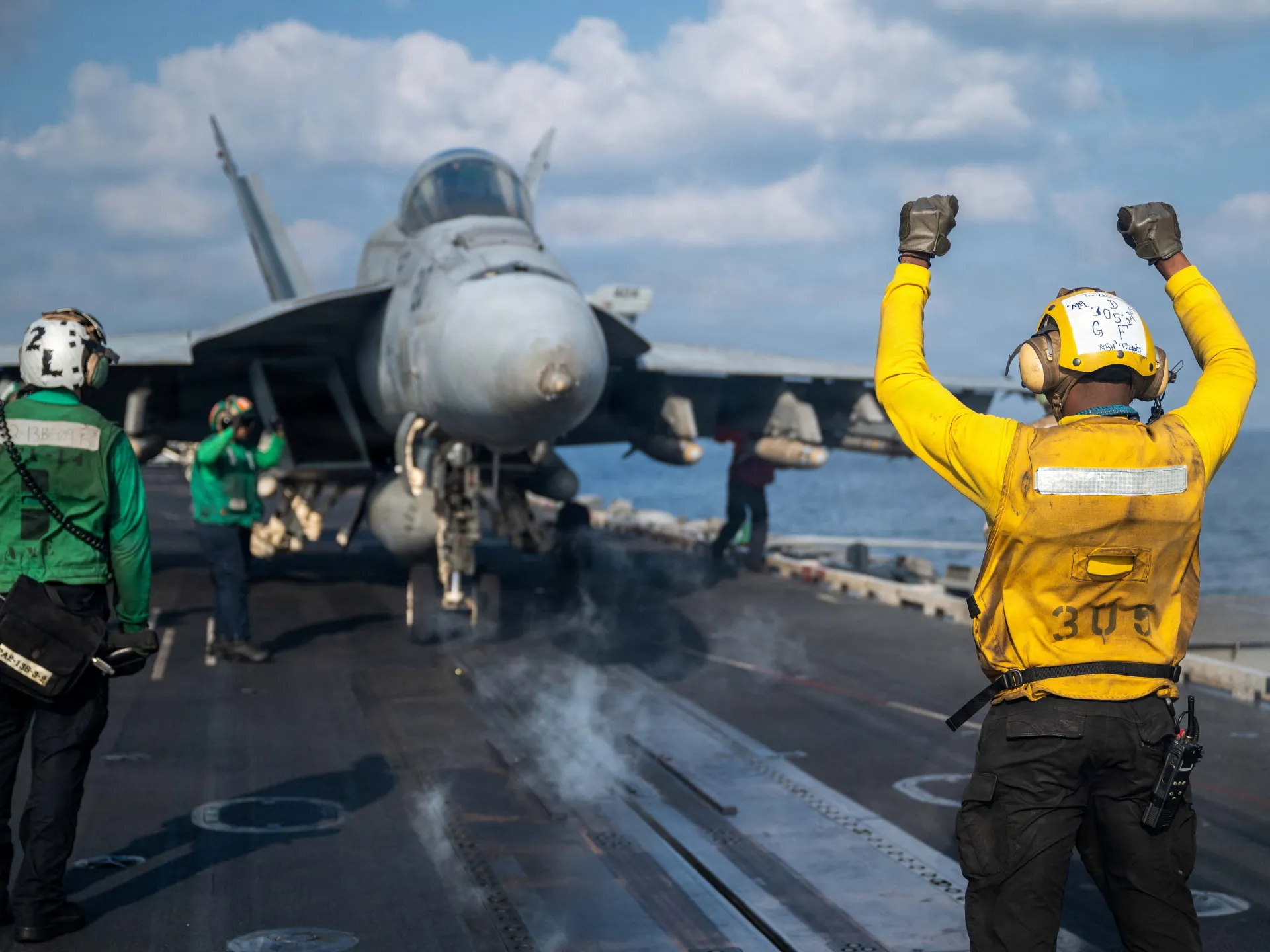
In response to these developments, several nations and international organizations are considering various options to ensure the safe passage of oil tankers through the Strait of Hormuz. These measures could include increased naval patrols, diplomatic negotiations with Iran, and contingency planning for alternative oil supply routes. The situation remains fluid, with the international community closely monitoring developments and urging all parties involved to prioritize de-escalation and dialogue.
In conclusion, the initiation of mine-laying operations by Iran in the Strait of Hormuz marks a significant and potentially dangerous escalation in regional tensions. The global community faces a critical challenge in addressing this situation, balancing the need to safeguard energy security and regional stability with the imperative to avoid further conflict. As the situation continues to unfold, the importance of diplomatic engagement, international cooperation, and a commitment to peaceful resolution cannot be overstated. The coming days and weeks will be crucial in determining the trajectory of this crisis and the ability of the international community to navigate these treacherous waters successfully.