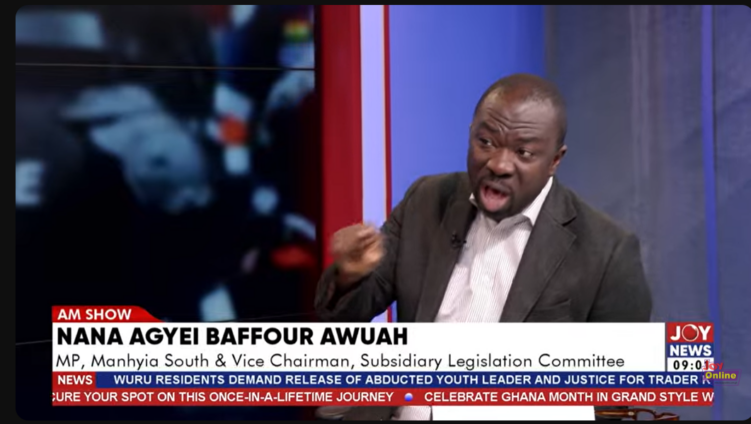
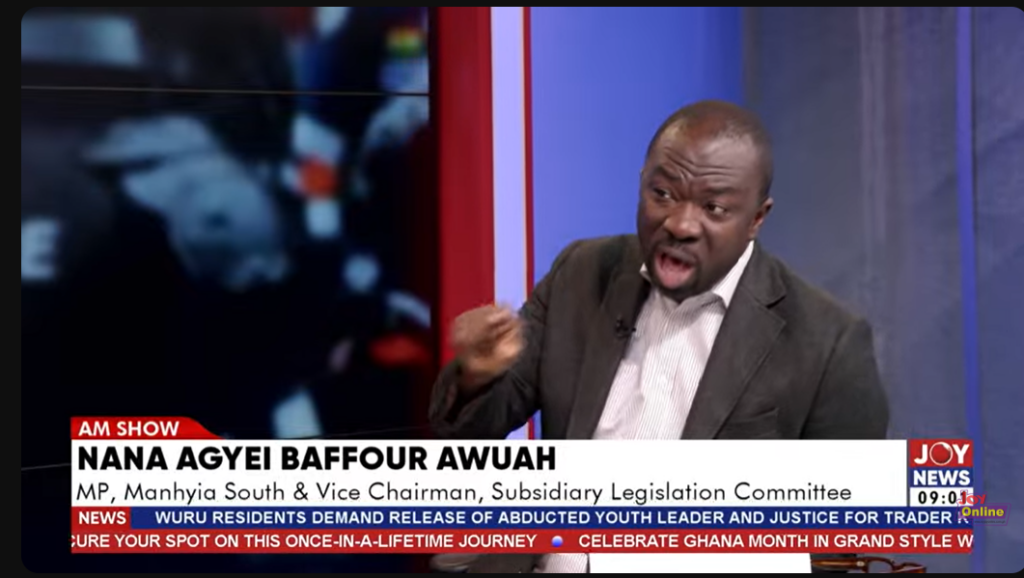
The government of Ghana is facing intense scrutiny over its recent security service recruitment exercise, which has been labeled as exploitative by Nana Agyei Baffour Awuah, the Member of Parliament for Manhyia South and Vice Chairman of the Subsidiary Legislative Committee of Parliament. The criticism stems from reports that over 500,000 young Ghanaians paid application fees for a process that will only absorb a mere 5,000 people, sparking concerns about the fairness and transparency of the recruitment process.
According to Nana Agyei Baffour Awuah, the sheer number of applicants who paid the required fees, only to be left with little to no chance of being selected, raises serious questions about the government's approach to recruitment.
"It is unacceptable that the government would take advantage of the desperation of young Ghanaians, who are eager to serve their country, by charging them exorbitant fees for a recruitment process that is inherently flawed,"Awuah said in an exclusive interview. He further emphasized that the government has a responsibility to ensure that its recruitment processes are fair, transparent, and do not exploit the vulnerable.
Concerns Over Transparency and Fairness
The security service recruitment exercise has been plagued by concerns over transparency and fairness, with many applicants expressing frustration over the lack of clear guidelines and communication from the government. Experts have warned that the current approach could lead to disillusionment among young Ghanaians, who may feel that the system is stacked against them. Dr. Kwame Addo, a security expert and lecturer at the University of Ghana, noted that
"the government's approach to recruitment is not only exploitative but also inefficient, as it fails to take into account the skills and qualifications of applicants, instead relying on a first-come, first-served basis."
The government has defended its approach, citing the need to generate revenue to support the recruitment process. However, critics argue that this approach is misguided and fails to take into account the economic realities faced by many young Ghanaians.
"The government should be looking for ways to support and empower young people, rather than exploiting their desperation,"said Ama Frimpong, a youth activist. Frimpong further emphasized that the government has a responsibility to ensure that its policies and programs are designed to benefit the most vulnerable members of society, rather than perpetuating inequality and exploitation.
Calls for Reform
In light of the criticism, there are growing calls for the government to reform its recruitment process and ensure that it is fair, transparent, and free from exploitation. Nana Agyei Baffour Awuah has called on the government to review its approach to recruitment and consider alternative methods that prioritize the skills and qualifications of applicants. He also emphasized the need for greater transparency and communication throughout the recruitment process, to ensure that applicants are aware of the status of their applications and the criteria used to select successful candidates.
Other experts have suggested that the government could explore alternative approaches to recruitment, such as online applications and skills assessments, which could help to reduce the financial burden on applicants and improve the overall efficiency of the process.
"The government should be leveraging technology to streamline its recruitment processes and make them more accessible to all applicants, regardless of their geographical location or socio-economic background,"said Dr. Addo.
The controversy surrounding the security service recruitment exercise has sparked a wider debate about the need for reform in Ghana's public sector recruitment processes. As the government faces growing pressure to address the concerns of young Ghanaians, it remains to be seen whether it will take steps to reform its approach to recruitment and ensure that it is fair, transparent, and free from exploitation.
In conclusion, the government's security service recruitment exercise has been widely criticized for being exploitative and unfair, with many applicants paying exorbitant fees for a process that offers little chance of success. As the debate continues, it is clear that the government must take steps to reform its approach to recruitment and prioritize the needs and interests of young Ghanaians. By doing so, the government can help to build trust and confidence in its recruitment processes and ensure that the most qualified and skilled candidates are selected for roles in the security services. The future of Ghana's security services depends on it, and it is imperative that the government takes immediate action to address the concerns of young Ghanaians and ensure that its recruitment processes are fair, transparent, and free from exploitation.