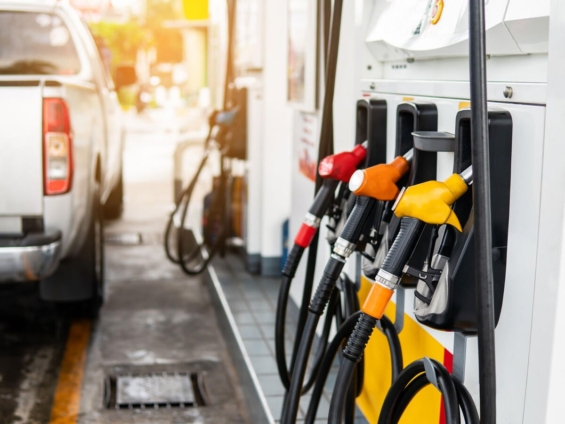
The Ghanaian economy is bracing itself for another round of fuel price increases, a scenario that has become all too familiar for consumers in the West African nation. According to the Chief Executive Officer of the Chamber of Oil Marketing Companies (COMAC), Riverson Oppong, the country's reliance on imported petroleum products makes it impossible to avoid periodic hikes in fuel prices. This stark reality has sparked concerns among citizens, businesses, and policymakers, who are eager to find a lasting solution to the problem.
The issue of fuel price instability has been a longstanding challenge for Ghana, with prices fluctuating wildly in response to changes in global oil markets. The country's dependence on imported oil has made it vulnerable to external shocks, leaving consumers at the mercy of international market forces. As long as Ghana continues to import the bulk of its petroleum products, it will remain exposed to the whims of the global oil market, Oppong warned. "The dynamics of the international oil market are beyond our control, and as such, we cannot insulate ourselves from the effects of price fluctuations," he added.
The Impact on Consumers and Businesses
The frequent increases in fuel prices have far-reaching implications for Ghanaian consumers and businesses. For households, higher fuel prices mean increased transportation costs, which can have a ripple effect on the overall cost of living.
"The fuel price hikes have made it difficult for us to plan our expenses, as we never know when the next increase will occur,"said Ama Owusu, a resident of Accra. "It's like living on edge, never knowing when the next shock will hit us." Businesses, particularly those in the transportation and manufacturing sectors, are also feeling the pinch. Highest fuel costs can erode profit margins, making it challenging for companies to remain competitive, according to industry experts.
Experts argue that the only way to mitigate the effects of fuel price volatility is for Ghana to reduce its dependence on imported oil. This can be achieved through a combination of measures, including increasing domestic oil production, promoting the use of alternative energy sources, and improving energy efficiency. "We need to diversify our energy mix and reduce our reliance on imported petroleum products," said Dr. Kwame Ampofo, a energy policy expert. "This will not only help us stabilize fuel prices but also enhance our energy security and reduce our vulnerability to external shocks."
Potential Solutions
While the challenges posed by Ghana's dependence on imported oil are significant, there are potential solutions that can help mitigate the effects of fuel price instability. One approach is to invest in domestic oil production, which can help reduce the country's reliance on imported petroleum products. Ghana has made significant discoveries of oil and gas in recent years, and developing these resources can help boost domestic production and reduce imports. Another approach is to
"promote the use of alternative energy sources, such as solar and wind power, which can help reduce our dependence on fossil fuels,"according to Oppong.
In addition to these measures, the government can also play a crucial role in stabilizing fuel prices by implementing policies that promote energy efficiency and reduce waste. This can include initiatives such as improving public transportation, promoting the use of energy-efficient appliances, and implementing measures to reduce energy consumption in buildings. By taking a comprehensive approach to energy policy, Ghana can reduce its vulnerability to fuel price shocks and create a more stable and sustainable energy sector.
As the Ghanaian economy continues to grapple with the challenges posed by fuel price instability, it is clear that a long-term solution is needed. While the short-term prospects may look bleak, there are opportunities for Ghana to reduce its dependence on imported oil and create a more sustainable energy sector. By investing in domestic oil production, promoting alternative energy sources, and improving energy efficiency, Ghana can mitigate the effects of fuel price volatility and create a brighter future for its citizens. As Oppong noted, "The future of our energy sector depends on our ability to think outside the box and explore new solutions to our energy challenges."
In conclusion, Ghana's fuel price conundrum is a complex issue that requires a comprehensive and sustainable solution. While the country's dependence on imported oil makes it vulnerable to external shocks, there are opportunities for Ghana to reduce its reliance on imported petroleum products and create a more stable and sustainable energy sector. As the country looks to the future, it is clear that a long-term approach to energy policy is needed, one that prioritizes domestic oil production, alternative energy sources, and energy efficiency. By working together, Ghana can overcome its fuel price challenges and create a brighter future for its citizens.