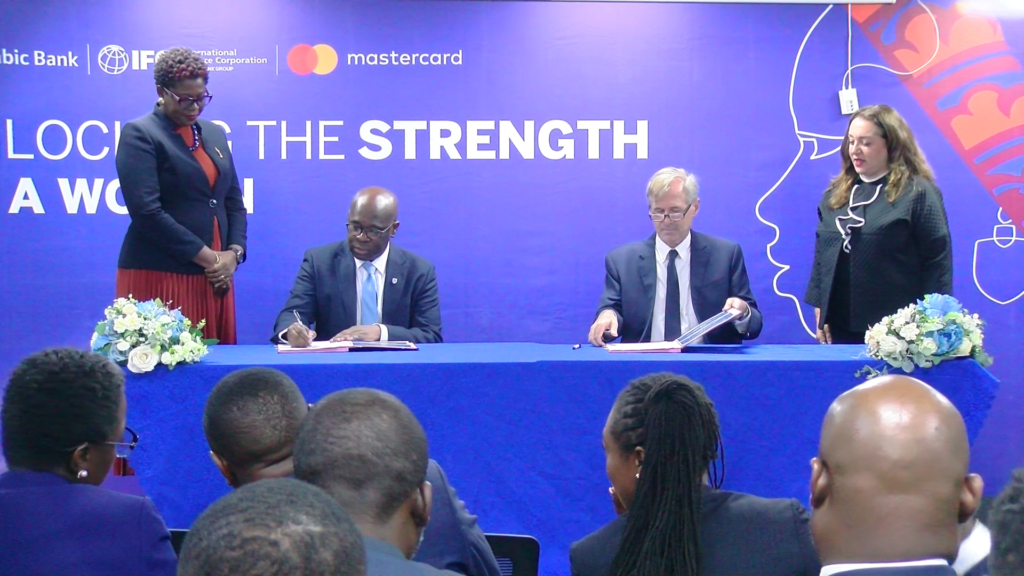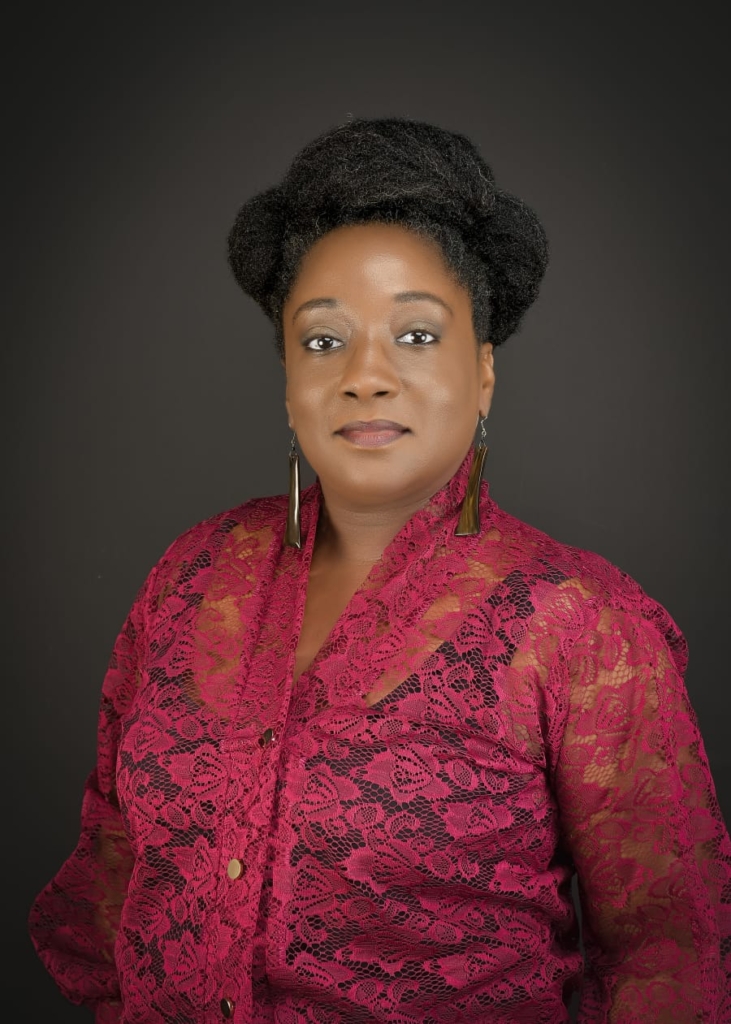
The importance of having women at the decision-making table has been underscored by Amma Gyampo, Chief Executive Officer of the Ghana Venture Capital and Private Equity Association, as a crucial factor in building stronger and more inclusive economies. According to Gyampo, greater representation of women in boardrooms and business leadership is essential for driving economic growth and promoting inclusivity. This sentiment was expressed on the sidelines of the International Women’s Day Luncheon and Executive Roundtable, organized by CCI France Ghana, which brought together business leaders and experts to discuss the role of women in shaping the economic landscape.
The event provided a platform for stakeholders to highlight the benefits of diversity and inclusion in the workplace, with a particular focus on the need for more women in leadership positions. Studies have shown that companies with diverse workforces, including women in key roles, tend to perform better financially and are more likely to make informed decisions. Gyampo emphasized that women bring a unique perspective to the table, which can help businesses navigate complex challenges and capitalize on new opportunities. As she noted, "Women are not just essential to the growth of our economies, but they are also critical to the sustainability of our businesses."
The Business Case for Diversity
The business case for diversity is clear, with numerous studies demonstrating the positive impact of diverse workforces on a company's bottom line. According to Dr. Emma Stephens, a leading expert on diversity and inclusion, "Companies that prioritize diversity and inclusion are more likely to attract and retain top talent, improve employee engagement, and drive innovation." Stephens further noted that, "In today's fast-paced business environment, companies need to be agile and responsive to changing market conditions. Women, with their diverse perspectives and experiences, can play a critical role in helping businesses stay ahead of the curve."
In addition to the economic benefits, promoting diversity and inclusion can also help to address social and environmental challenges. As Ms. Akua Owusu, a social entrepreneur, observed, "When women are empowered to take on leadership roles, they are more likely to prioritize issues such as education, healthcare, and environmental sustainability. This, in turn, can have a positive impact on communities and help to drive more inclusive economic growth." Owusu emphasized that, "We need to create a society where women have equal opportunities to succeed, and where their contributions are valued and recognized."
"We must recognize the critical role that women play in driving economic growth and development. By providing them with the support and resources they need to succeed, we can unlock the full potential of our economies and create a more prosperous future for all." - Amma Gyampo
Breaking Down Barriers
Despite the many benefits of diversity and inclusion, women continue to face significant barriers in the workplace. According to Mr. Kofi Amoabeng, a seasoned business leader, "Women often lack access to the same opportunities and resources as their male counterparts, which can make it difficult for them to advance in their careers." Amoabeng noted that, "We need to create a level playing field, where women have equal access to education, training, and mentorship opportunities. This will help to equip them with the skills and knowledge they need to succeed in leadership roles."
To address these challenges, businesses and organizations must prioritize diversity and inclusion, and create a culture that supports and empowers women. As Ms. Yaa Owusu, a human resources expert, observed, "This requires a fundamental shift in mindset, where women are valued and respected for their contributions. It also requires concrete actions, such as providing training and development opportunities, implementing flexible work arrangements, and promoting diversity and inclusion at all levels of the organization."
In conclusion, the importance of having women at the decision-making table cannot be overstated. As the world continues to navigate complex economic and social challenges, it is clear that women will play a critical role in shaping the future of our economies and societies. By prioritizing diversity and inclusion, and providing women with the support and resources they need to succeed, we can unlock the full potential of our economies and create a more prosperous future for all. As Gyampo so aptly put it, "The future of our economies depends on our ability to empower women and create a more inclusive and equitable society."