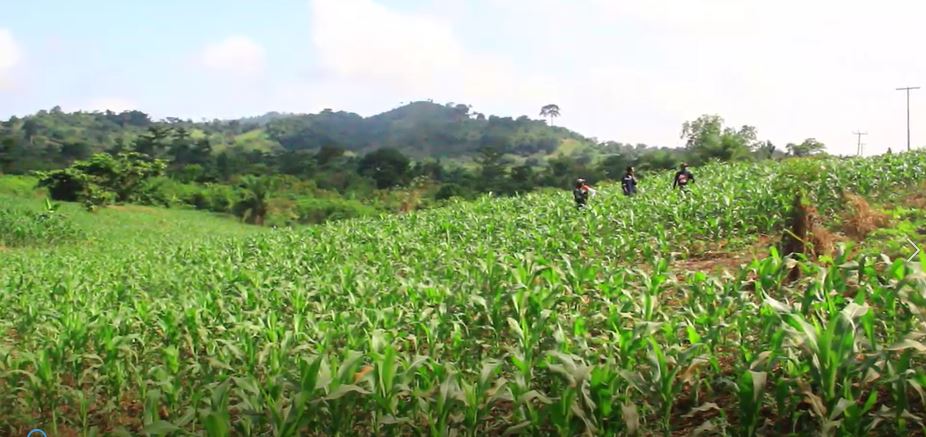
A recent letter addressed to former President John Mahama has highlighted the plight of farmers across the country, emphasizing the need for sustained support and development of the agricultural sector. The letter praised the initiatives undertaken by the administration under the Reset Agenda and the Feed Ghana Programme, acknowledging the critical role agriculture plays in national development. According to Dr. Ama Pomaa, an agricultural expert, "the recognition of agriculture's importance is a step in the right direction, but more needs to be done to address the challenges faced by farmers, including limited access to credit, inadequate infrastructure, and the impact of climate change."
The Reset Agenda and the Feed Ghana Programme were introduced to improve food security and support farmers, with the goal of making Ghana self-sufficient in food production. Mr. Kwame Asiedu, a farmer from the Ashanti Region, noted, "these initiatives have been beneficial, but the implementation has been slow, and many farmers are yet to feel the impact. We need more investment in irrigation systems, farm mechanization, and access to markets to increase our productivity and income." The letter to former President Mahama serves as a reminder of the need for continued support and investment in the agricultural sector to ensure the success of these initiatives.
The State of Agriculture in Ghana
Ghana's agricultural sector is the backbone of the economy, employing a significant portion of the population and contributing substantially to the country's GDP. However, the sector faces numerous challenges, including limited access to credit, inadequate infrastructure, and the impact of climate change. Professor Francis Nkrumah, an economist, stated, "the agricultural sector has the potential to drive economic growth and reduce poverty, but it requires significant investment and support. The government needs to prioritize the development of the sector, including investing in research and development, improving extension services, and providing support to farmers."
The letter to former President Mahama emphasized the need for a comprehensive approach to addressing the challenges faced by farmers.
"The policy on improving food security and supporting farmers through initiatives under the Reset Agenda and the Feed Ghana Programme demonstrates your administration’s recognition of the critical role agriculture plays in national development. However, more needs to be done to address the challenges faced by farmers, including limited access to credit, inadequate infrastructure, and the impact of climate change,"the letter stated. The call to action is clear: the government must prioritize the development of the agricultural sector and provide the necessary support to farmers to ensure the success of the initiatives.
Way Forward
To address the challenges faced by farmers, the government needs to take a multi-faceted approach. This includes investing in irrigation systems, farm mechanization, and access to markets to increase productivity and income. Ms. Akua Danso, a representative of the Farmers' Association, noted, "we need the government to provide us with the necessary support, including access to credit, improved extension services, and investment in infrastructure. We are committed to working with the government to ensure the success of the initiatives and to improve the livelihoods of farmers." The private sector also has a critical role to play in supporting the development of the agricultural sector, including investing in agriculture and providing support to farmers.
In conclusion, the letter to former President Mahama serves as a reminder of the need for sustained support and development of the agricultural sector. The recognition of the critical role agriculture plays in national development is a step in the right direction, but more needs to be done to address the challenges faced by farmers. With the right support and investment, the agricultural sector has the potential to drive economic growth and reduce poverty. As Dr. Kwame Appiah, an agricultural expert, noted, "the future of agriculture in Ghana is bright, but it requires a collective effort from all stakeholders, including the government, private sector, and farmers, to ensure the success of the initiatives and to improve the livelihoods of farmers."