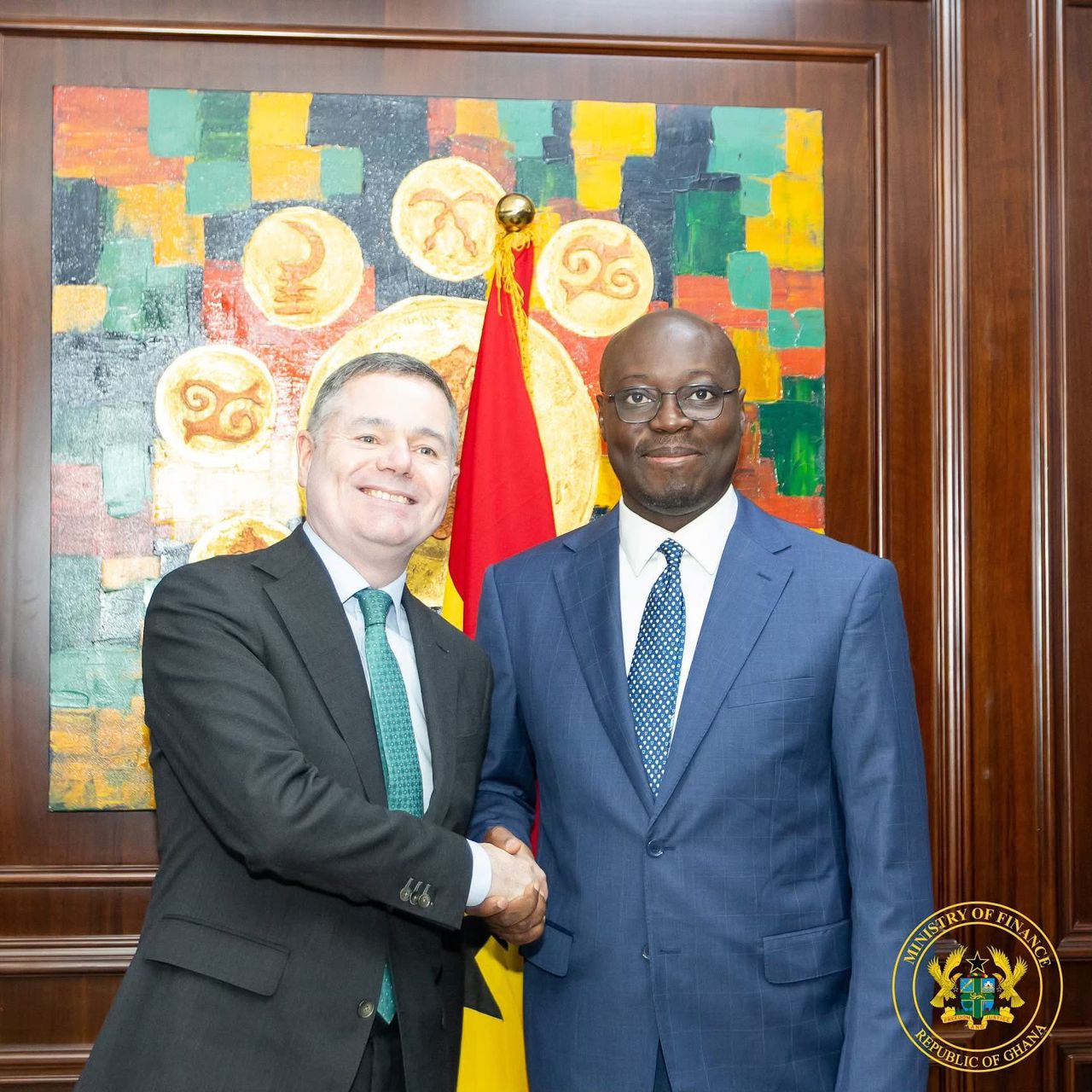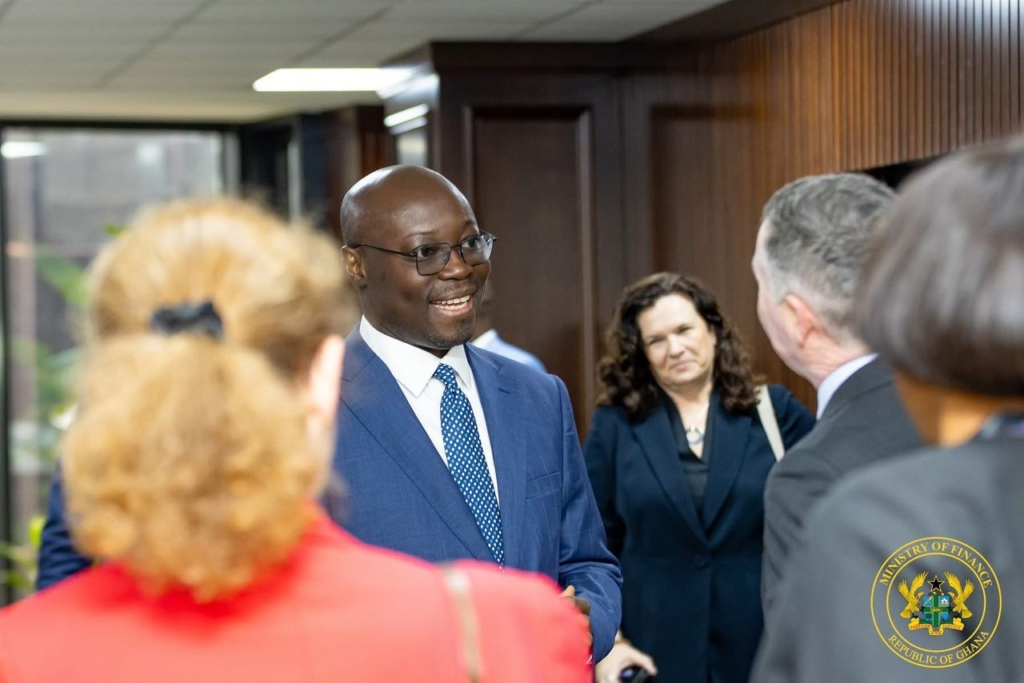
The World Bank has voiced its admiration for Ghana's remarkable economic recovery, with the Managing Director and Chief Knowledge Officer, Paschal Donohoe, specifically highlighting the country's impressive strides in stabilizing its economy. Following a meeting with Ghana's Finance Minister, Dr. Cassiel Ato Forson, Mr. Donohoe expressed his appreciation for the government's prudent management of the economy, underscoring the notable improvements in Ghana's national fiscal landscape.
According to sources, the World Bank MD commended the Ghanaian government's efforts to implement policies that have led to a remarkable improvement in Ghana's economic outlook. This turnaround is seen as a testament to the government's commitment to fiscal discipline and its ability to navigate the challenges posed by the global economic downturn. The World Bank's endorsement is expected to boost investor confidence in Ghana, paving the way for increased foreign investment and economic growth.
Economic Reforms and Fiscal Discipline
The Ghanaian government's economic reforms, aimed at promoting fiscal discipline and macroeconomic stability, have been instrumental in the country's economic recovery.
"The government's decision to implement austerity measures and reduce public expenditure has been crucial in stabilizing the economy,"said Dr. Joe Abbey, a renowned economist and Director of the Institute of Economic Affairs.
"The World Bank's recognition of Ghana's economic progress is a vote of confidence in the government's economic management, and it is expected to have a positive impact on the country's credit rating and access to international capital markets."
The World Bank's praise for Ghana's economic turnaround is also seen as a validation of the government's efforts to diversify the economy and promote private sector growth. The government has implemented various initiatives aimed at supporting small and medium-sized enterprises (SMEs), improving the business environment, and increasing access to credit for entrepreneurs. These efforts are expected to contribute to the creation of jobs, stimulate economic growth, and reduce poverty.
Challenges Ahead
Despite the progress made, Ghana still faces significant economic challenges, including a high debt-to-GDP ratio and a large fiscal deficit. The government will need to continue implementing fiscal consolidation measures to reduce the debt burden and ensure long-term fiscal sustainability. Additionally, the country will need to address the challenges posed by climate change, which is expected to have a significant impact on Ghana's agricultural sector and economy as a whole.
According to Mr. Donohoe, the World Bank is committed to supporting Ghana's economic development and will continue to provide technical assistance and financing to help the country achieve its development goals.
"The World Bank is pleased to see the progress Ghana has made in stabilizing its economy, and we are committed to supporting the government's efforts to promote economic growth, reduce poverty, and improve living standards for all Ghanaians,"he said.
Regional Implications
The World Bank's praise for Ghana's economic turnaround is also expected to have regional implications, as it is seen as a model for other countries in the West African sub-region.
"Ghana's economic recovery is a testament to the fact that, with the right policies and leadership, African countries can achieve significant economic progress and reduce their dependence on foreign aid,"said Dr. Abbey.
"The World Bank's recognition of Ghana's economic progress is a call to action for other African countries to adopt similar policies and reforms to promote economic growth and development."
In conclusion, the World Bank's praise for Ghana's economic turnaround is a significant endorsement of the government's economic management and a testament to the country's progress in achieving fiscal stability. As Ghana continues to navigate the challenges of the global economy, the government will need to remain committed to fiscal discipline, economic reforms, and private sector growth to ensure long-term economic sustainability and prosperity for all Ghanaians. With the World Bank's support and the government's continued efforts, Ghana is poised to become a model for economic development in the West African sub-region and a beacon of hope for African countries seeking to achieve economic transformation and growth.