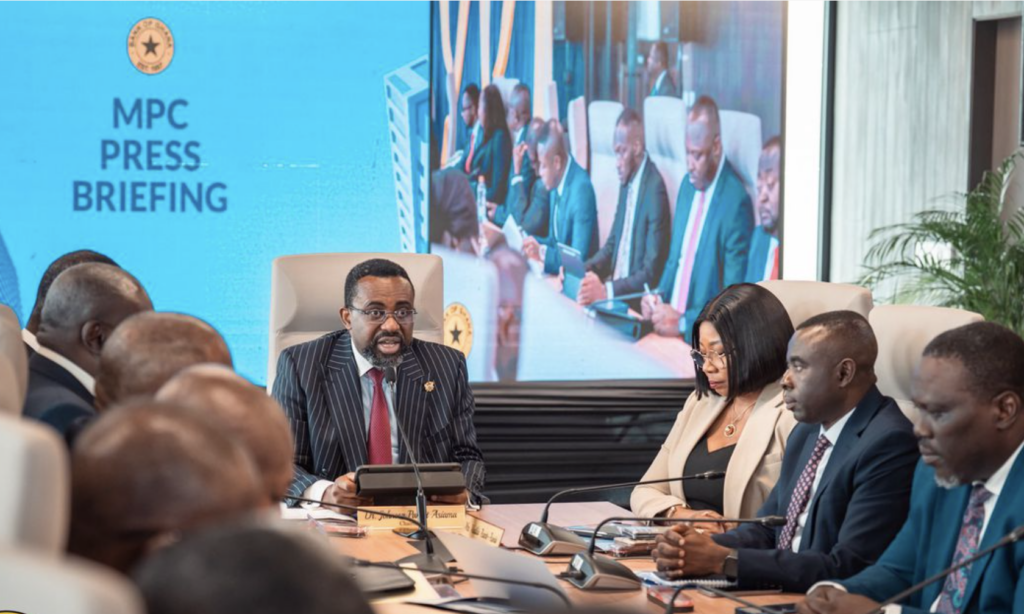
Ghana's external reserves have experienced a significant surge, reaching approximately $14.5 billion, according to the Bank of Ghana, in a development that is expected to bolster the country's economic stability and provide a substantial import cover. This increase in reserves is a notable improvement in the country's macroeconomic outlook, offering about 5.8 months of import cover, which is a crucial indicator of a country's ability to meet its external obligations.
The rise in external reserves can be attributed to a combination of factors, including a surge in foreign investment, increased remittances from Ghanaians living abroad, and a favorable trade balance. The Bank of Ghana's efforts to maintain a stable currency and implement prudent monetary policies have also contributed significantly to this development. According to Dr. Ernest Addison, Governor of the Bank of Ghana, "the increase in external reserves is a testament to the effectiveness of our monetary policy framework and the country's growing appeal to foreign investors."
Macroeconomic Implications
The improvement in Ghana's external reserves has significant implications for the country's macroeconomic stability. A higher level of external reserves provides a buffer against external shocks, such as a decline in commodity prices or a sudden stop in capital flows. This increased buffer will enable the country to better withstand external pressures and maintain economic stability. As noted by Dr. John Mensah, a leading economist, "the surge in external reserves is a positive development that will help to reduce the country's vulnerability to external shocks and support economic growth."
The increase in external reserves will also have a positive impact on the country's creditworthiness. A higher level of reserves will enhance Ghana's ability to service its external debt, reducing the risk of default and improving its credit rating.
"The improvement in Ghana's external reserves is a significant development that will enhance the country's credit profile and reduce its borrowing costs,"said Mrs. Ama Pokuaa, a financial analyst. This, in turn, will make it easier for the country to access international capital markets and secure funding for development projects.
Trade and Investment
The increase in external reserves will also have a positive impact on Ghana's trade and investment landscape. A higher level of reserves will provide the country with the necessary funds to import goods and services, supporting economic activity and growth. This will be particularly beneficial for businesses that rely on imported inputs, such as manufacturers and construction companies. As noted by Mr. Kofi Boateng, a businessman, "the increase in external reserves is a welcome development that will help to reduce the cost of doing business in Ghana and make our products more competitive in the international market."
The improvement in Ghana's external reserves will also make the country more attractive to foreign investors. A stable and growing economy, combined with a favorable business environment, will make Ghana an appealing destination for investment.
"The surge in external reserves is a clear indication of Ghana's growing economic stability and attractiveness as an investment destination,"said Dr. Yaw Ansu, a investment expert. This, in turn, will help to drive economic growth, create jobs, and reduce poverty.
Challenges Ahead
While the increase in external reserves is a positive development, there are still challenges that need to be addressed. The country's economy is still vulnerable to external shocks, and the government needs to continue to implement prudent fiscal and monetary policies to maintain economic stability. The Bank of Ghana must also continue to monitor the economy closely and take prompt action to address any potential risks or imbalances. As noted by Dr. Addison, "while the increase in external reserves is a significant achievement, we must remain vigilant and continue to work towards maintaining economic stability and promoting sustainable growth."
In conclusion, the surge in Ghana's external reserves is a significant development that will have a positive impact on the country's macroeconomic stability, trade, and investment landscape. While there are still challenges that need to be addressed, the increase in reserves is a testament to the effectiveness of the country's monetary policy framework and its growing appeal to foreign investors. As the country continues to navigate the complexities of the global economy, it is essential that policymakers remain committed to maintaining economic stability and promoting sustainable growth. With the right policies in place, Ghana is well-positioned to continue to make progress and achieve its development goals.