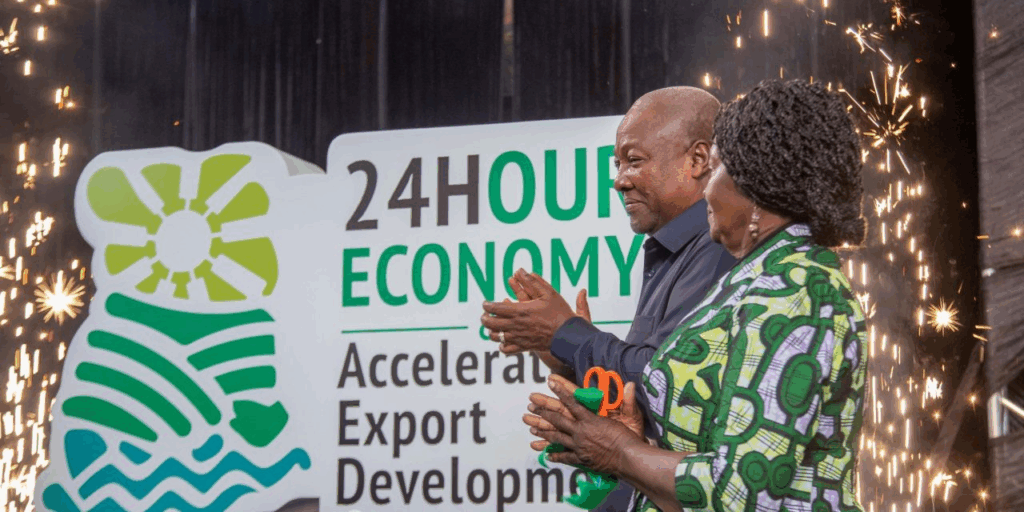
The GNCCI CEO's warning comes at a time when the government is pushing to implement the 24-hour economy as part of its efforts to boost economic growth and create jobs. According to Aboagye, the government must provide the necessary incentives and support to businesses to enable them to operate effectively in a 24-hour economy. This includes investing in infrastructure, such as lighting and security, as well as providing tax breaks and other incentives to encourage businesses to extend their hours. "The 24-hour economy is a great idea, but it requires careful planning and execution," Aboagye said. "We need to ensure that businesses have the necessary support and incentives to operate effectively in a 24-hour economy, otherwise, it will just be another slogan."
Challenges Facing the 24-Hour Economy
One of the major challenges facing the 24-hour economy is the lack of infrastructure in some parts of the country. In many areas, the streets are not well-lit, and security is a major concern, making it difficult for businesses to operate safely at night. Additionally, the lack of reliable transportation and other essential services at night makes it challenging for employees to commute to and from work. These challenges must be addressed if the 24-hour economy is to succeed. As Aboagye noted, "The government needs to invest in infrastructure, such as lighting and security, to create a conducive environment for businesses to operate in a 24-hour economy."Another challenge facing the 24-hour economy is the need for a change in mindset among Ghanaians. Many people in Ghana are not used to working or shopping at night, and it may take time for them to adjust to a 24-hour economy. According to
"The 24-hour economy requires a change in mindset, not just among businesses, but also among consumers,"said Dr. John Kumah, a lecturer at the University of Ghana. "We need to educate people about the benefits of a 24-hour economy and encourage them to support businesses that operate at night." Kumah also noted that the 24-hour economy could have a significant impact on the country's economy, saying "If implemented correctly, the 24-hour economy could increase economic activity, create jobs, and boost economic growth."
Way Forward
Despite the challenges, many experts believe that the 24-hour economy has the potential to drive economic growth and development in Ghana. To achieve this, the government must work closely with the private sector to provide the necessary incentives and support to businesses. This includes investing in infrastructure, providing tax breaks, and offering other forms of support to encourage businesses to extend their hours. As Emmanuel Osei, a business consultant, noted, "The 24-hour economy is a great opportunity for businesses to increase their sales and revenue, but they need the necessary support and incentives to operate effectively." Osei also emphasized the need for a comprehensive plan to implement the 24-hour economy, saying "We need a well-thought-out plan that takes into account the challenges and opportunities of a 24-hour economy, and provides the necessary support and incentives to businesses."In conclusion, the proposed 24-hour economy in Ghana is at risk of becoming another unfulfilled policy slogan if not implemented correctly. The government and private sector must work together to provide the necessary incentives and support to businesses to enable them to operate effectively in a 24-hour economy. This includes investing in infrastructure, providing tax breaks, and offering other forms of support to encourage businesses to extend their hours. With careful planning and execution, the 24-hour economy has the potential to drive economic growth and development in Ghana, but it requires a concerted effort from all stakeholders to ensure its success. As Aboagye warned, "The 24-hour economy is a great idea, but it requires careful planning and execution, otherwise, it will just be another slogan." The government and private sector must take heed of this warning and work together to ensure that the 24-hour economy becomes a reality, rather than just another policy slogan.