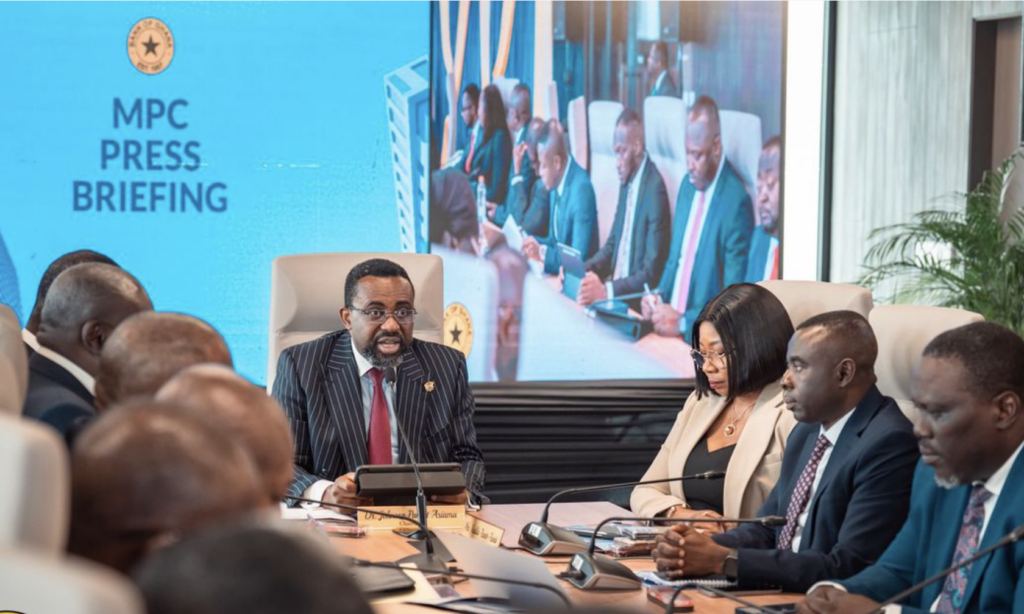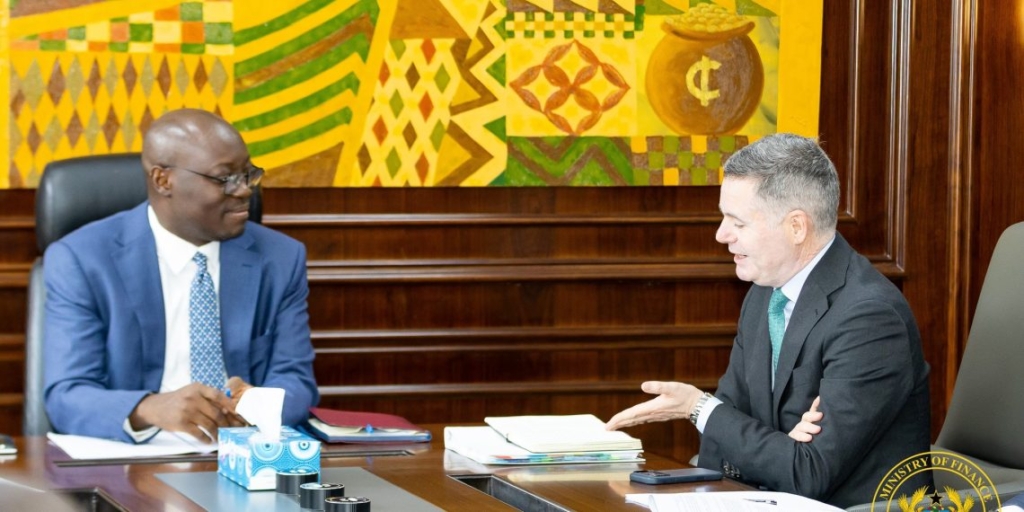
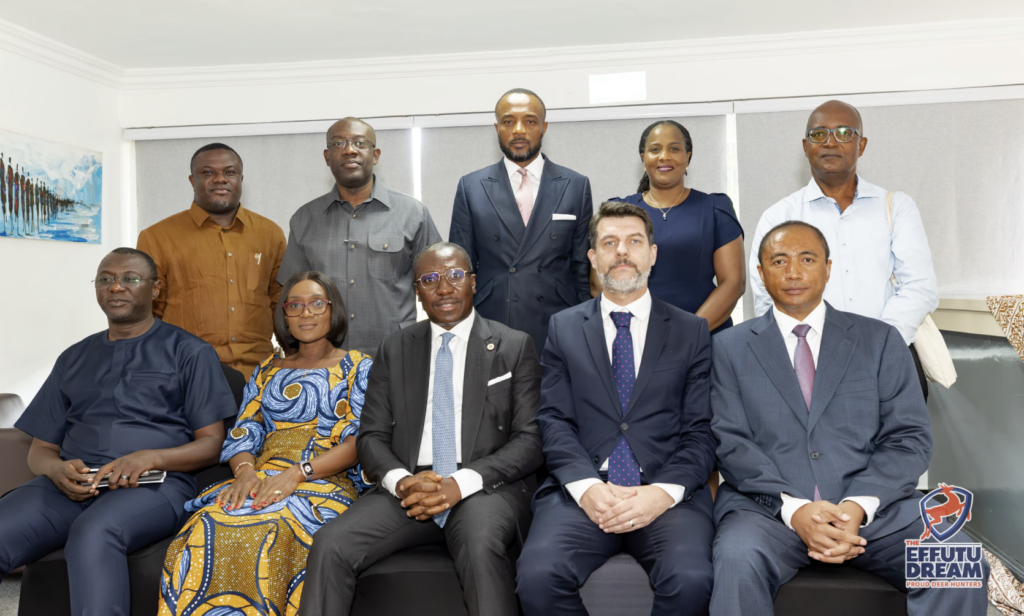
The meeting, which took place at the Parliament House in Accra, was attended by key officials from the IMF, including the Resident Representative in Ghana, Alberto Jauregui. The discussions focused on the country's economic performance, fiscal policy, and monetary policy, among other issues. According to sources, the Minority Caucus presented a detailed report on the economic situation in Ghana, highlighting the challenges faced by the country and the need for urgent intervention. The report also outlined the caucus's proposals for addressing the economic crisis, including measures to stimulate economic growth, reduce inflation, and improve fiscal discipline.
Economic Challenges in Ghana
Ghana is currently facing significant economic challenges, including a large fiscal deficit, high inflation, and a depreciating currency. The country's economy has been affected by the COVID-19 pandemic, as well as the ongoing conflict in Ukraine, which has disrupted global supply chains and led to increases in food and fuel prices. The economic crisis has had a significant impact on the lives of ordinary Ghanaians, with many struggling to make ends meet. As noted by Dr. Eric Osei-Assibey, a senior economist at the University of Ghana, "the economic situation in Ghana is dire, and there is a need for urgent action to address the crisis and restore economic stability."
"The meeting with the IMF officials was very productive, and we are hopeful that it will lead to positive outcomes for the country. We presented our report and proposals, and we are confident that the IMF will take our concerns seriously," said Haruna Iddrisu, the Minority Leader.
The IMF has been working closely with the government of Ghana to address the country's economic challenges. The Fund has provided technical assistance and policy advice to help the government develop a comprehensive economic reform program. The program aims to restore fiscal discipline, promote economic growth, and reduce poverty. According to Alberto Jauregui, the IMF Resident Representative in Ghana, "the IMF is committed to supporting Ghana in its efforts to address the economic crisis. We believe that with the right policies and reforms, the country can restore economic stability and achieve sustainable growth."
Way Forward
The meeting between the Minority Caucus and the IMF officials is a significant step towards addressing the economic crisis in Ghana. The discussions highlighted the need for urgent action to address the country's economic challenges and restore economic stability. The Minority Caucus has called on the government to take immediate action to implement the proposed reforms and stimulate economic growth. As noted by Dr. John Kwakye, a senior research fellow at the Institute of Economic Affairs, "the government needs to take bold steps to address the economic crisis, including implementing fiscal consolidation measures, improving revenue collection, and promoting private sector growth."
In conclusion, the meeting between the Minority Caucus and the IMF officials is a positive development in the efforts to address the economic crisis in Ghana. The discussions highlighted the need for urgent action to restore economic stability and stimulate growth. The country faces significant challenges, but with the right policies and reforms, it is possible to achieve sustainable economic growth and improve the lives of ordinary Ghanaians. As the country moves forward, it is essential to prioritize economic stability, fiscal discipline, and private sector growth to ensure a brighter future for all Ghanaians. The IMF's support and guidance will be crucial in this process, and it is hoped that the meeting will mark the beginning of a new era of cooperation and economic growth in Ghana.