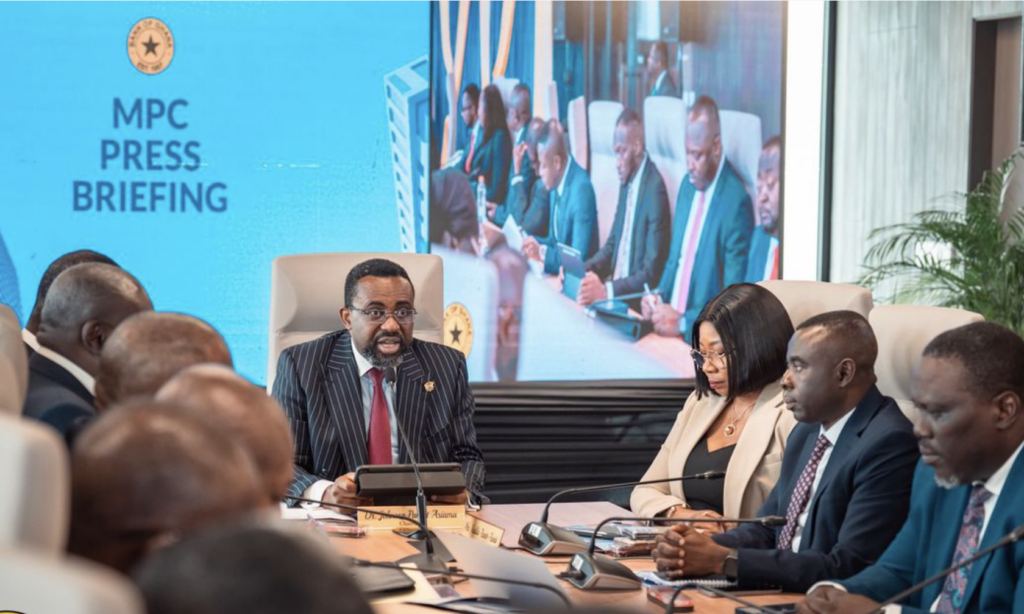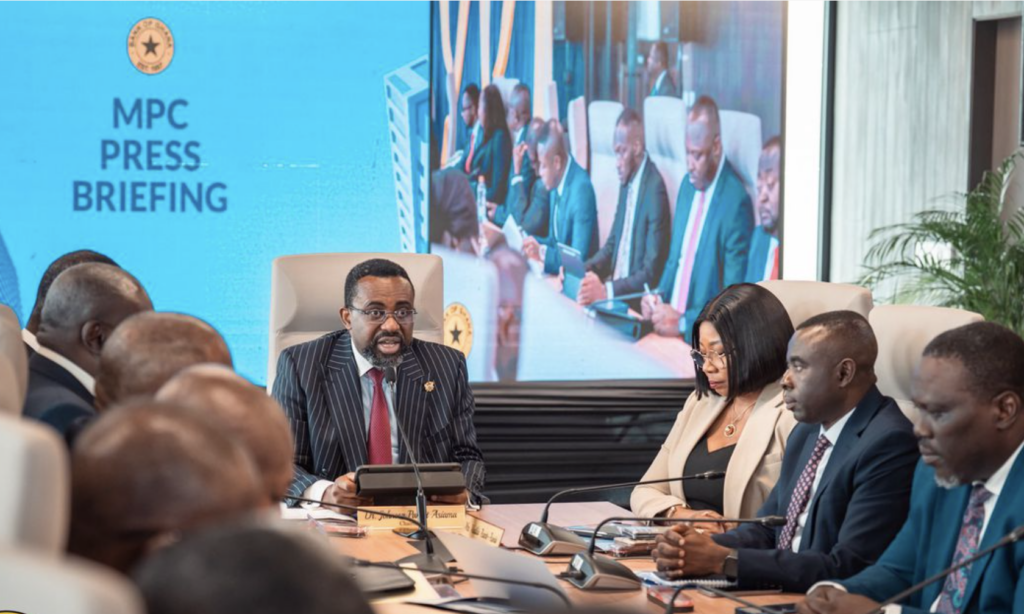
The Monetary Policy Committee (MPC) of the Bank of Ghana has commenced its 129th meeting to deliberate on the policy rate, a decision that will have significant implications for the country's economy. With declining inflation and heightened global economic uncertainty, the MPC is faced with a complex task of balancing the need to support economic growth with the need to maintain price stability. According to sources, the meeting is expected to conclude with an announcement on the policy rate, which will be closely watched by investors, businesses, and consumers alike.
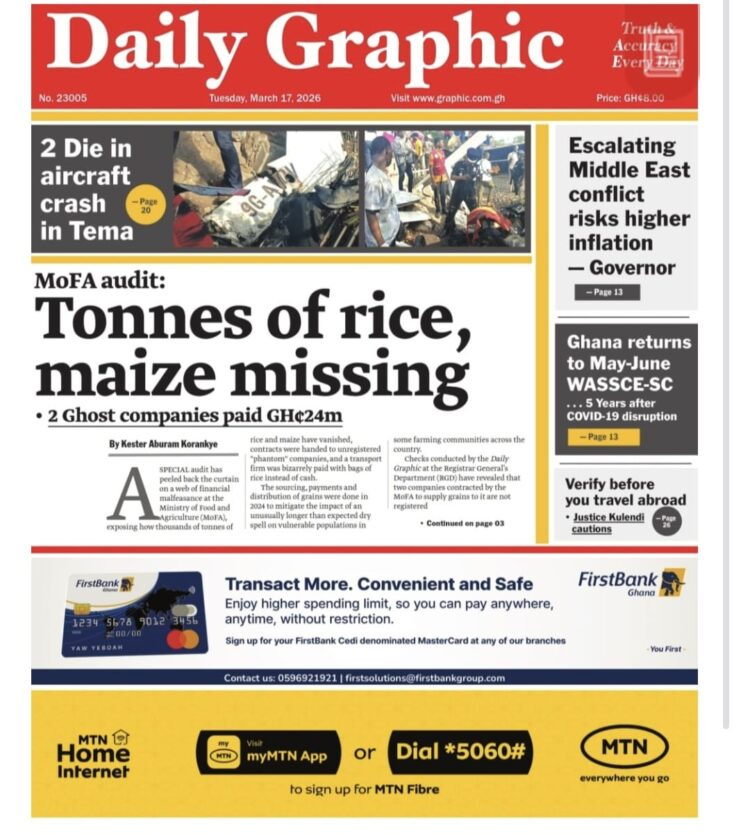
The current economic landscape in Ghana is characterized by a decline in inflation, which has fallen to its lowest level in recent months. This trend is expected to continue, driven by a combination of factors including a stable exchange rate, low food prices, and a tight monetary policy stance. However, the global economic uncertainty poses a significant risk to the country's economy, with potential implications for trade, investment, and economic growth. As Dr. Ernest Addison, Governor of the Bank of Ghana, noted, "The global economic landscape is becoming increasingly uncertain, and we need to be vigilant in our monetary policy decisions to ensure that we maintain economic stability and support growth."
Economic Implications
The decision on the policy rate will have far-reaching implications for the economy, including the cost of borrowing, investment, and consumption. A reduction in the policy rate could lead to lower borrowing costs, which could stimulate economic activity and support growth. On the other hand, an increase in the policy rate could help to maintain price stability and attract foreign investment, but could also lead to higher borrowing costs and reduced economic activity. As
"The policy rate decision will be critical in determining the direction of the economy, and we urge the MPC to consider the potential impact on businesses and consumers,"said Nana Otuo-Acheampong, President of the Ghana Chamber of Commerce and Industry.
The MPC will also consider the recent exchange rate developments, which have seen the Ghanaian cedi stabilize against major currencies. A stable exchange rate is essential for maintaining price stability and supporting economic growth, and the MPC will need to balance the need to maintain a stable exchange rate with the need to support economic activity. As Dr. John Kwakye, Director of Research at the Bank of Ghana, noted, "The exchange rate is a critical factor in our monetary policy decisions, and we will need to consider the potential impact of our decisions on the exchange rate and the overall economy."
Expert Opinions
Experts have offered varying opinions on the likely outcome of the MPC meeting, with some predicting a reduction in the policy rate and others predicting an increase. As Professor Emmanuel Teye, an economist at the University of Ghana, noted, "The decline in inflation and the stable exchange rate suggest that the MPC may consider reducing the policy rate to support economic growth." However, Mr. Sam Bediako, CEO of Sam Bediako Investments, cautioned that "The global economic uncertainty and the potential risks to the economy suggest that the MPC may need to maintain a tight monetary policy stance to ensure economic stability."
The decision on the policy rate will be announced at the conclusion of the MPC meeting, and will be closely watched by investors, businesses, and consumers. As the economy continues to navigate the challenges of global economic uncertainty, the MPC's decision will be critical in determining the direction of the economy and supporting economic growth and stability. In the words of Dr. Addison, "The MPC is committed to maintaining economic stability and supporting growth, and we will continue to monitor the economy and make decisions that are in the best interest of the country."
Conclusion
In conclusion, the MPC's decision on the policy rate will have significant implications for the economy, and will be closely watched by stakeholders. As the economy navigates the challenges of global economic uncertainty, the MPC's decision will be critical in determining the direction of the economy and supporting economic growth and stability. With the meeting expected to conclude soon, all eyes will be on the MPC as they announce their decision on the policy rate, and the implications it will have for the country's economy. As Dr. Kwakye noted, "The MPC's decision will be a critical factor in shaping the economy's future, and we urge all stakeholders to remain vigilant and supportive of our efforts to maintain economic stability and support growth."