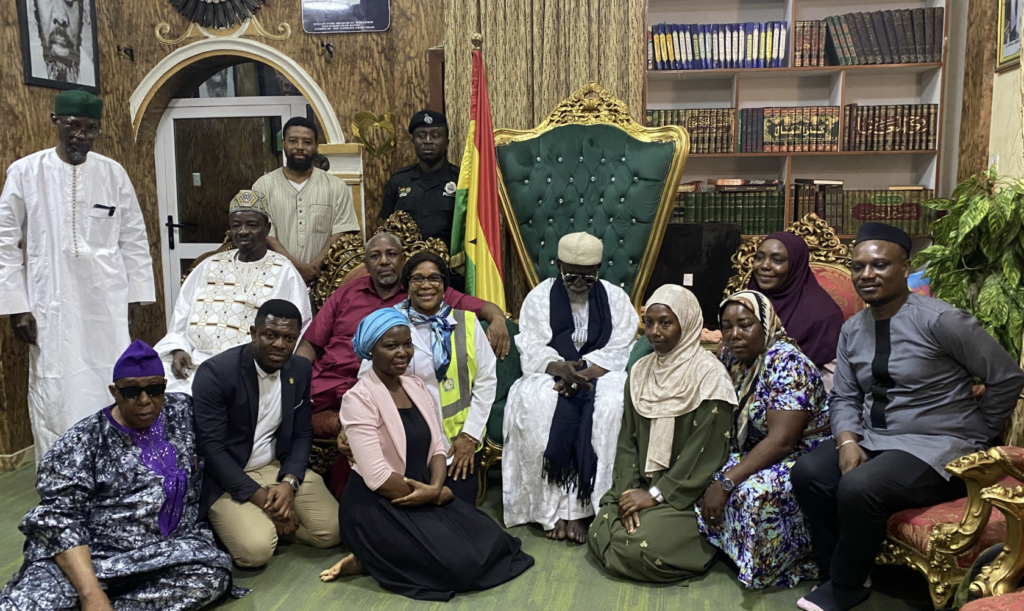
As the Eid-ul-Fitr celebrations approach, Sheikh Dr Osman Nuhu Sharubutu, the National Chief Imam, has issued a heartfelt plea to road users, urging them to exercise extreme caution and adhere to road safety regulations to minimize the risk of accidents, injuries, and fatalities on the nation's roads. The National Chief Imam's call to action comes at a critical time, as the country prepares for one of its most significant religious festivals, which typically sees a significant surge in road travel.
According to statistics from the National Road Safety Commission, the Eid-ul-Fitr period has consistently recorded a higher-than-average number of road crashes, injuries, and deaths over the years. This trend has been attributed to a combination of factors, including increased vehicular traffic, reckless driving, and non-adherence to basic road safety protocols. In light of this, the National Chief Imam's appeal for sanity on the roads takes on added significance, as it seeks to raise awareness about the importance of road safety and the need for collective responsibility in preventing accidents.
Road Safety Regulations and Enforcement
The National Chief Imam's plea for road users to adhere strictly to road safety regulations is supported by experts in the field of road safety, who emphasize that enforcement of existing regulations is crucial in reducing the incidence of road crashes. "The laws are already in place, but what we need is strict enforcement and public education to ensure that road users understand the risks associated with reckless driving and the importance of adhering to safety protocols," said Mr. Kwame Owusu, a road safety expert. He added that the Eid-ul-Fitr period presents a unique opportunity for the authorities to intensify public education campaigns and enforcement efforts, with a view to reducing the risk of accidents and promoting a culture of road safety.
"We must all take responsibility for our actions on the road and ensure that we do not become a menace to ourselves and others. This is a collective effort that requires the participation of all stakeholders, including the government, the media, and the general public," said Sheikh Dr Osman Nuhu Sharubutu, the National Chief Imam.
In addition to the National Chief Imam's appeal, other stakeholders, including the Motor Transport and Traffic Unit (MTTU) of the Ghana Police Service, have also launched initiatives aimed at promoting road safety during the Eid-ul-Fitr period. These initiatives include increased patrols on major highways, public education campaigns, and the deployment of specialized units to monitor and enforce compliance with road safety regulations.
Public Education and Awareness
Public education and awareness are critical components of the efforts to promote road safety during the Eid-ul-Fitr period. According to Mr. Ali Mohammed, a public education specialist, "the key to success lies in getting the message across to the widest possible audience and ensuring that road users understand the risks associated with reckless driving and the importance of adhering to safety protocols." He emphasized that public education campaigns must be targeted, sustained, and multi-faceted, incorporating a range of media channels, including traditional media, social media, and community outreach programs.
The National Chief Imam's appeal for sanity on the roads has been welcomed by road safety advocates, who see it as a timely intervention that has the potential to make a significant impact on road safety during the Eid-ul-Fitr period. "The National Chief Imam's voice carries significant weight, and his appeal is likely to resonate with many road users, particularly those who are inclined to disregard road safety regulations," said Mrs. Ama Serwaa, a road safety advocate.
As the nation prepares for the Eid-ul-Fitr celebrations, the National Chief Imam's call to action serves as a poignant reminder of the importance of road safety and the need for collective responsibility in preventing accidents. With the support of stakeholders, including the government, the media, and the general public, it is possible to create a safer and more responsible road culture, where the risks associated with road travel are minimized, and the benefits of mobility are maximized.
In conclusion, the National Chief Imam's appeal for sanity on the roads ahead of the Eid-ul-Fitr celebrations is a timely and welcome intervention that has the potential to make a significant impact on road safety. As the nation looks to the future, it is essential that the momentum generated by this appeal is sustained and built upon, with a view to creating a lasting culture of road safety that benefits all road users. With collective effort and a shared commitment to responsible road use, it is possible to reduce the risks associated with road travel and promote a safer, more sustainable, and more responsible road culture for generations to come.