
As Ghana marks 69 years of independence, the nation is also observing International Women's Day, presenting a unique opportunity to reflect on the significant strides made in empowering women and girls. This dual celebration underscores the crucial role women have played in Ghana's development, from the early days of the independence movement to the present. According to Dr. Ama Biney, a historian specializing in Ghanaian studies, "The intersection of Ghana's Independence Day and International Women's Day is a poignant reminder of the tireless efforts of Ghanaian women in shaping the country's history and continues to inspire future generations."
The journey to independence in 1957 was not just a story of political figures but also of the unsung heroes, many of whom were women. Their contributions, though often overlooked, were pivotal in the struggle for freedom. Today, as the nation looks back on its progress, it is evident that the empowerment of women has been a cornerstone of Ghana's development strategy. Ms. Akua Kuenyehia, former Dean of the Faculty of Law at the University of Ghana, notes, "Empowering women is not just a matter of gender equity; it is a strategic investment in the future of our nation. Women are at the forefront of community development, education, and healthcare, driving change from the grassroots level."
The Path to Empowerment
The path to empowering women in Ghana has been marked by significant milestones. Legislative reforms, such as the Domestic Violence Act of 2007 and the Human Trafficking Act of 2005, have been crucial in protecting women's rights and combating gender-based violence. Moreover, initiatives aimed at increasing women's participation in politics and the economy have started to bear fruit, with more women taking up leadership positions and starting their own businesses.
"We have seen a notable increase in women's entrepreneurship, particularly in the informal sector. This not only contributes to the national economy but also enhances the financial independence of women,"remarked Ms. Lucy Quist, a business leader and advocate for women's empowerment.
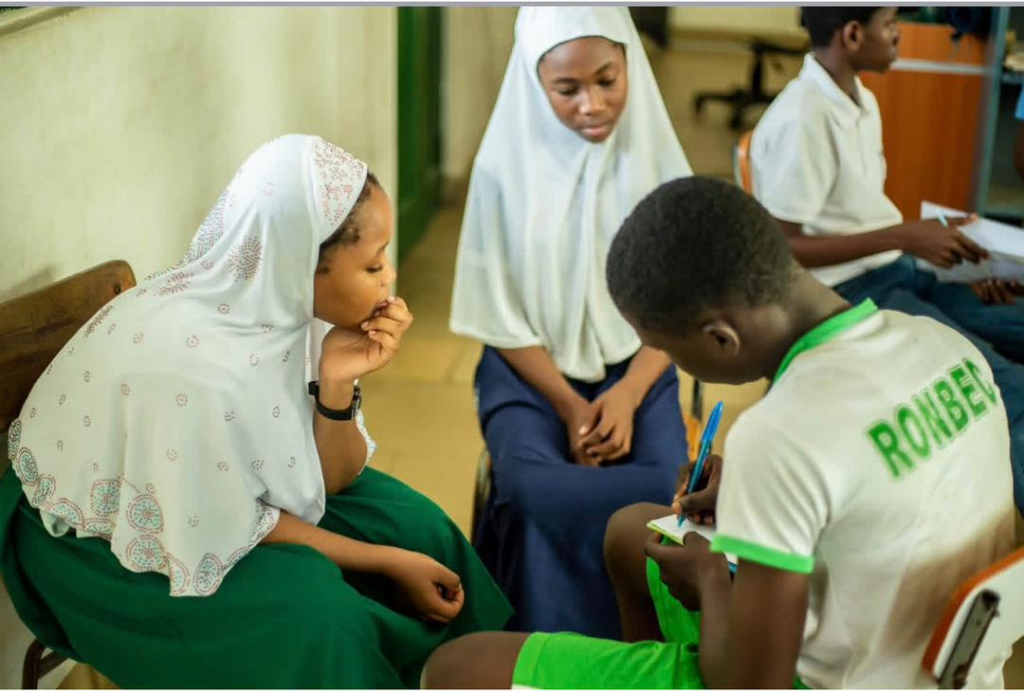
Education has been another area of focus, with efforts to increase girls' enrollment in schools and reduce dropout rates. The Free Senior High School (SHS) policy introduced by the government has been particularly impactful, offering free secondary education to all, irrespective of gender. This policy has the potential to significantly increase the number of girls completing their secondary education, thereby enhancing their future opportunities. As Professor Naana Jane Opoku-Agyemang, a former Vice-Chancellor of the University of Cape Coast, emphasized, "Education is the key to unlocking the potential of our young girls. By ensuring they have access to quality education, we are paving the way for a brighter, more equitable future for Ghana."
Challenges Ahead
Despite the progress made, challenges persist. Gender disparities in certain sectors, such as technology and engineering, remain significant. Moreover, societal norms and stereotypes continue to hinder the full participation of women in public life. Ms. Adelaide Addo-Fening, a social activist, highlighted the need for a cultural shift, saying,
"We must work diligently to break down the barriers that prevent women from reaching their full potential. This includes challenging traditional attitudes and promoting a culture of inclusivity and respect for gender equality."
The celebration of Ghana's 69 years of independence alongside International Women's Day serves as a powerful reminder of the nation's commitment to gender equality and the empowerment of women. As the country moves forward, it is clear that the contributions of women will continue to be indispensable. Dr. Baffour Agyeman-Duah, a development expert, underscored the importance of sustained efforts, stating, "Empowering women is a long-term investment. It requires consistent policy support, community engagement, and a steadfast commitment to creating an environment where women can thrive and contribute to the nation's development without hindrance."
A Future of Equality and Opportunity
Looking to the future, Ghana's vision for gender equality and women's empowerment is ambitious. The government and civil society organizations are working together to address the remaining challenges, from enhancing women's economic opportunities to promoting their participation in decision-making processes. As Hon. Shirley Ayorkor Botchwey, Minister for Foreign Affairs and Regional Integration, noted,
"Our goal is to create a society where every girl and woman has the opportunity to succeed, to contribute to the development of our nation, and to live a life of dignity and respect. This is not just a moral imperative; it is an economic and social necessity for Ghana's prosperity."
In conclusion, as Ghana celebrates its 69 years of independence and marks International Women's Day, the nation honors the indelible mark of women on its progress. The journey ahead will undoubtedly present its challenges, but with a steadfast commitment to gender equality and the empowerment of women, Ghana is poised to unlock the full potential of its citizens, driving towards a future of equality, opportunity, and prosperity for all. The celebration today is not just a reflection on the past but a beacon of hope and determination for a brighter tomorrow, where every Ghanaian, regardless of gender, can thrive and contribute to the nation's continued growth and development.