The protection and well-being of children are of utmost importance in any society, and Ghana is no exception. With a strong legal framework in place, the country has made significant strides in safeguarding the rights and freedoms of its young citizens. The 1992 Constitution of the Republic of Ghana and the Children’s Act of 1998 provide the foundation for a comprehensive system that ensures the welfare of children, and it is essential to understand the intricacies of these laws to appreciate the progress made so far.
At the heart of Ghana's child protection system is the recognition of the inherent dignity and worth of every child. The Constitution guarantees the rights and freedoms of all individuals, including children, and The Children’s Act builds upon this foundation by providing specific provisions for the care and protection of minors. According to Article 28 of the Constitution, "every child has the right to be protected from engaging in work that constitutes a threat to his health, education, or development." This provision highlights the government's commitment to ensuring that children are not exploited or forced into situations that could harm them.
Key Provisions of the Children’s Act
The Children’s Act of 1998 is a comprehensive piece of legislation that outlines the responsibilities of parents, guardians, and the state in ensuring the well-being of children. Section 1 of the Act defines a child as anyone under the age of 18, and Section 2 sets out the principles that guide the care and protection of children. These principles include the best interests of the child, the preservation of family ties, and the provision of alternative care when necessary. As Madam Akua Dansoa, a child rights activist, notes, "the Children’s Act is a powerful tool in promoting the welfare of children in Ghana. It provides a clear framework for addressing issues such as child abuse, neglect, and exploitation, and ensures that those responsible for the care of children are held accountable for their actions."
"The Children’s Act is a significant milestone in our efforts to protect the rights of children in Ghana. It demonstrates our commitment to creating a society that values and respects the dignity of every child, and provides a solid foundation for promoting their well-being and development." - Madam Akua Dansoa, Child Rights Activist
Implementation and Challenges
While the legal framework for child protection in Ghana is robust, implementation remains a significant challenge. Mr. Kwame Owusu, a senior official at the Ministry of Gender, Children and Social Protection, acknowledges that "despite the progress made, there are still many challenges to overcome. These include limited resources, inadequate infrastructure, and the need for greater awareness and education on child rights and responsibilities." He adds that "the government is working to address these challenges through a range of initiatives, including the establishment of child protection committees at the district level, the provision of training and capacity-building programs for social workers and other stakeholders, and the development of public awareness campaigns to promote child rights and responsibilities."
Another significant challenge is the need to balance the rights of children with the responsibilities of parents and guardians. Dr. Ama Gyamfi, a child development specialist, notes that "while it is essential to protect the rights of children, it is equally important to recognize the responsibilities of parents and guardians in providing care and support. We need to find a balance between these two aspects, and ensure that our laws and policies reflect this balance." She adds that "this requires a holistic approach that takes into account the social, economic, and cultural context in which children live, and seeks to promote the well-being and development of children in a sustainable and equitable manner."
The Power of Participation
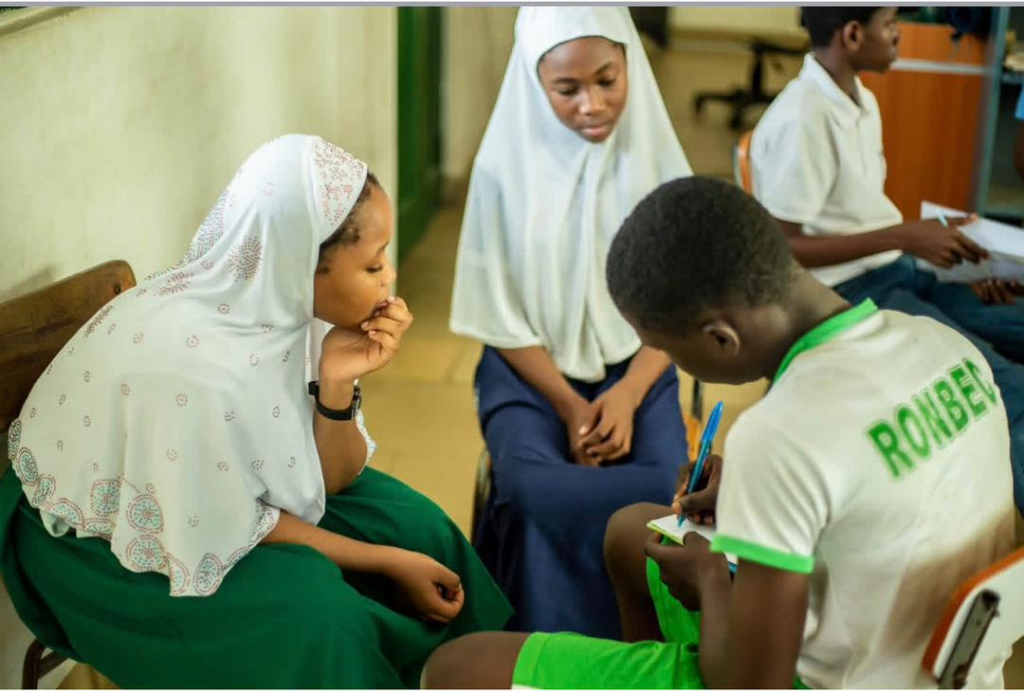
One of the key principles of the Children’s Act is the promotion of child participation in decision-making processes that affect their lives. Article 12 of the Act recognizes the right of children to express their views and to have these views taken into account in decisions that affect them. This principle is essential in ensuring that children are empowered to take an active role in promoting their own well-being and development. As Mr. Kofi Addo, a child participation specialist, notes, "child participation is not just about giving children a voice, but about creating opportunities for them to take an active role in shaping their own lives and futures. It requires a fundamental shift in the way we think about children and their place in society, and a recognition of their capacity to contribute to decision-making processes in a meaningful way."
"Child participation is a critical aspect of promoting the rights and well-being of children. It ensures that children are empowered to take an active role in shaping their own lives and futures, and that their voices are heard in decision-making processes that affect them. We need to create more opportunities for child participation, and to support children in developing the skills and confidence they need to participate effectively." - Mr. Kofi Addo, Child Participation Specialist
In conclusion, the protection and well-being of children are essential aspects of creating a just and equitable society. Ghana's legal framework for child protection provides a strong foundation for promoting the rights and well-being of children, but implementation remains a significant challenge. By recognizing the importance of child participation and promoting the principles of the Children’s Act, we can work towards creating a society that values and respects the dignity of every child, and provides opportunities for them to reach their full potential. As we move forward, it is essential that we prioritize the needs and rights of children, and work towards creating a brighter future for all.