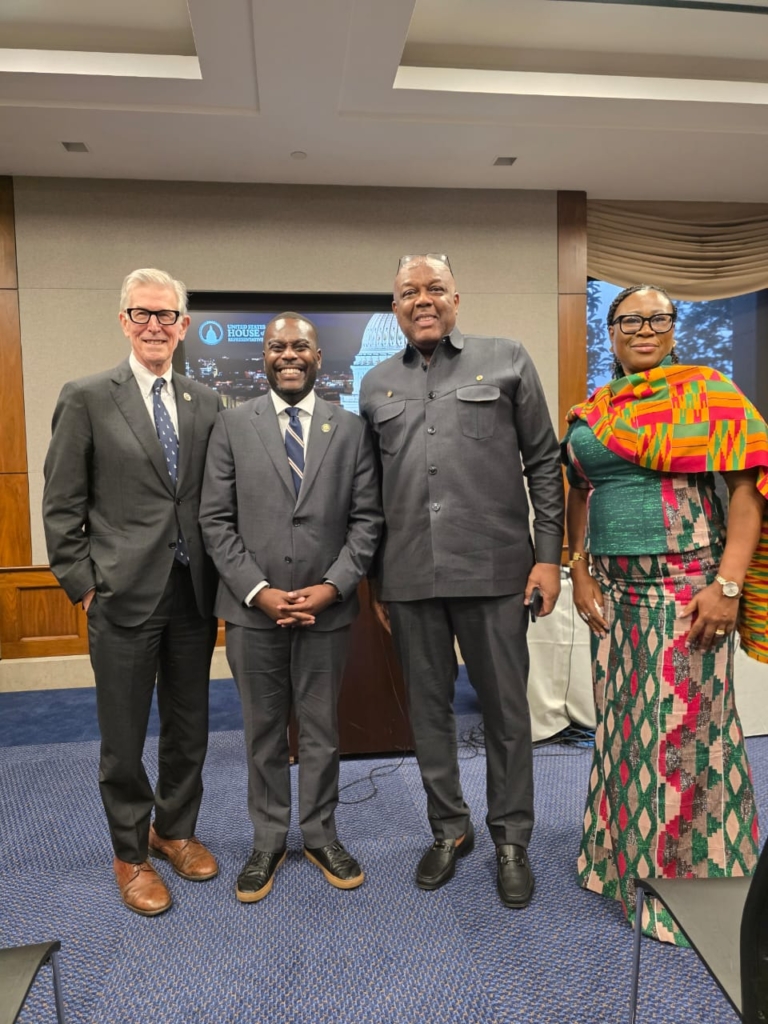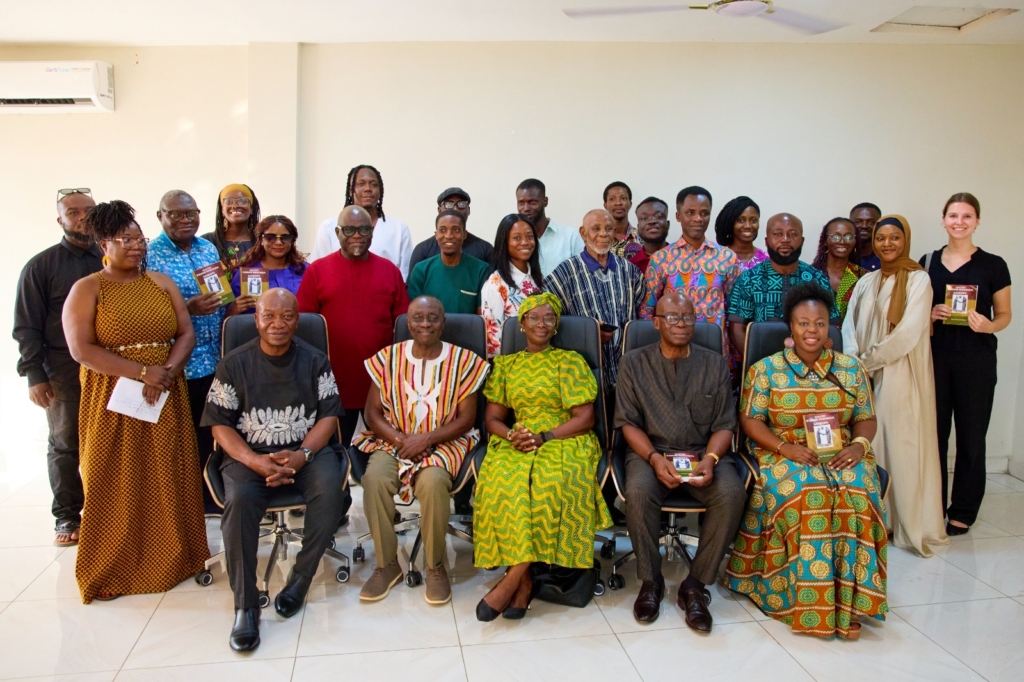
The city of Accra, Ghana, played host to a historic gathering of scholars, diplomats, cultural advocates, and members of the public on March 5, as the Restitution Africa Forum was officially launched at the library of the Kwame Nkrumah Memorial Park. This landmark initiative aims to spearhead discussions on the return of Africa's looted cultural heritage, as well as the restoration of the continent's historical dignity and identity. The launch of the Restitution Africa Forum marks a significant milestone in the quest for cultural and intellectual reclamation, and it is expected to have far-reaching implications for Africa's cultural landscape.
Background and Context
The Restitution Africa Forum is the brainchild of a coalition of scholars, cultural experts, and advocates who have been working tirelessly to raise awareness about the plight of Africa's looted cultural heritage. For decades, the continent has been stripped of its valuable cultural artifacts, with many of these items ending up in museums and private collections in Europe and other parts of the world. The forum's launch is a testament to the growing demand for the return of these artifacts, as well as the need for a more nuanced understanding of Africa's rich cultural heritage. According to Dr. Ama Biney, a leading scholar on African cultural heritage, "the launch of the Restitution Africa Forum is a call to action, a reminder that Africa's cultural heritage is not just a collection of artifacts, but a living, breathing part of our identity and our history."
As Professor Kofi Agorsah, a renowned expert on African cultural studies, noted, "the restitution of Africa's cultural heritage is not just about returning artifacts, it's about restoring the dignity and identity of African people. It's about acknowledging the historical injustices that have been perpetrated against our continent, and taking concrete steps to address them." The Restitution Africa Forum is expected to provide a platform for scholars, policymakers, and cultural advocates to engage in meaningful discussions about the return of Africa's looted cultural heritage, and to explore ways of promoting cultural exchange and cooperation between Africa and the rest of the world.
The Launch Event
The launch event itself was a vibrant and thought-provoking affair, with a diverse array of speakers and panelists sharing their insights and perspectives on the restitution of Africa's cultural heritage.
"We are not just talking about artifacts, we are talking about the very soul of our continent,"said Nana Oforiatta Ayim, a Ghanaian cultural advocate and curator. "We need to recognize the value of our cultural heritage, and take steps to protect and preserve it for future generations." The event also featured a keynote address by Dr. Mohamed Mbungu, a leading expert on African cultural heritage and restitution, who emphasized the need for a more nuanced understanding of the complex historical and cultural contexts that have shaped Africa's cultural landscape.
Throughout the day, attendees had the opportunity to engage with exhibits and displays showcasing Africa's rich cultural heritage, as well as to participate in lively discussions and debates about the future of cultural restitution on the continent. As Ms. Akua Danso, a young Ghanaian cultural advocate, noted, "the launch of the Restitution Africa Forum is a moment of hope and excitement for all of us who care about Africa's cultural heritage. It's a reminder that we have the power to shape our own destiny, and to reclaim our cultural identity." The event was attended by a range of dignitaries, including government officials, diplomats, and cultural leaders, who all expressed their support for the Restitution Africa Forum and its mission.
Looking to the Future
As the Restitution Africa Forum looks to the future, its organizers are keenly aware of the challenges that lie ahead. The process of cultural restitution is complex and often contentious, requiring careful negotiation and diplomacy between African governments, museums, and other stakeholders. However, as Dr. Biney noted, "we are committed to making this work, to ensuring that Africa's cultural heritage is returned to its rightful owners, and that our continent is able to reclaim its historical dignity and identity." The Restitution Africa Forum is expected to play a key role in promoting cultural exchange and cooperation between Africa and the rest of the world, and in raising awareness about the importance of cultural restitution for Africa's development and growth.
In the coming months and years, the Restitution Africa Forum will be working to establish partnerships with museums, cultural institutions, and governments around the world, with the aim of facilitating the return of Africa's looted cultural heritage. The forum will also be hosting a range of events, including conferences, workshops, and exhibitions, designed to promote cultural exchange and understanding between Africa and the rest of the world. As Professor Agorsah noted, "the launch of the Restitution Africa Forum is just the beginning of a long and important journey. We have a lot of work to do, but we are confident that together, we can make a real difference." The Restitution Africa Forum is a significant step forward in the quest for cultural and intellectual reclamation, and it is expected to have a lasting impact on Africa's cultural landscape.
In conclusion, the launch of the Restitution Africa Forum in Accra marks a major milestone in the quest for cultural and intellectual reclamation in Africa. As the forum looks to the future, it is clear that there is still much work to be done, but the sense of hope and optimism that pervaded the launch event is a powerful reminder of the potential for positive change. As Dr. Mbungu noted, "the restitution of Africa's cultural heritage is not just a moral imperative, it's a necessary step towards a more just and equitable future for our continent." The Restitution Africa Forum is a significant step towards achieving this goal, and it is expected to play a key role in shaping the future of cultural restitution in Africa. With its launch, a new chapter has begun in the quest for cultural and intellectual reclamation in Africa, and it is expected to have far-reaching implications for the continent's cultural landscape.