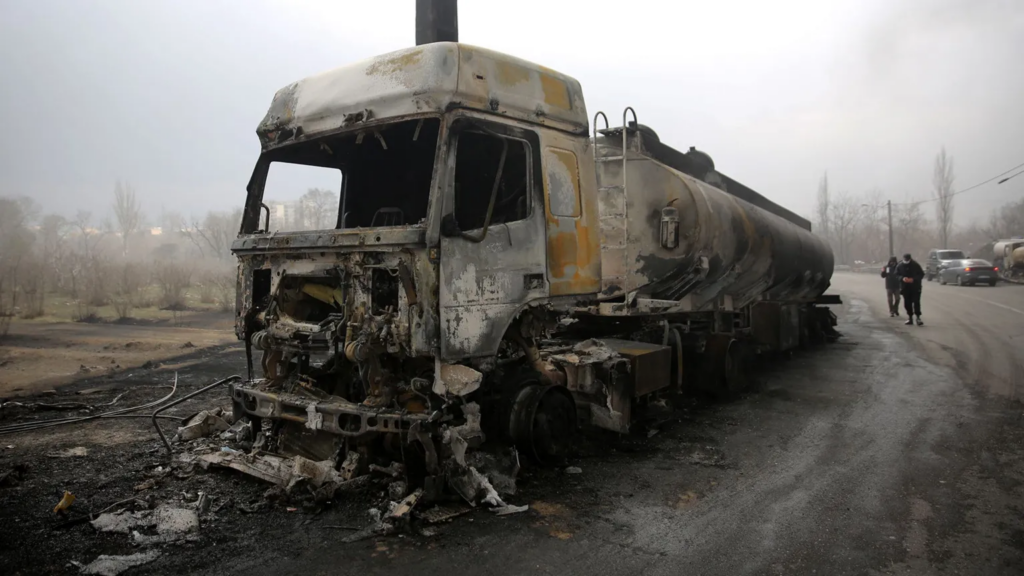
The Group of Seven (G7) nations have announced their commitment to taking necessary measures to support the global supply of energy, following the recent escalation of the US-Israel war with Iran, which has led to a significant surge in oil prices. This move is aimed at mitigating the impact of the conflict on the global economy and ensuring a stable energy market. According to a statement released by the G7, the member countries are prepared to work together to address the energy supply challenges and prevent any potential disruptions to the global market.
The US-Israel war with Iran has sent shockwaves through the global energy market, with oil prices increasing by over 10% in the past week alone. The conflict has raised concerns about the potential disruption of oil supplies from the region, which is a major oil-producing hub. The G7 nations, which include the United States, Canada, the United Kingdom, France, Germany, Italy, and Japan, have recognized the need to take collective action to address the energy supply challenges and stabilize the market.
Global Energy Market Implications
The surge in oil prices has significant implications for the global economy, particularly for countries that are heavily reliant on oil imports. Higher oil prices can lead to increased production costs, higher inflation, and slower economic growth. According to Dr. Maria Rodriguez, a leading energy expert at the International Energy Agency (IEA), "The current situation is a wake-up call for the global community to diversify its energy sources and reduce its dependence on fossil fuels. The G7 nations' commitment to supporting the global energy supply is a step in the right direction, but more needs to be done to address the long-term sustainability of the energy market."
"The G7 nations are committed to working together to address the energy supply challenges and prevent any potential disruptions to the global market. We recognize the importance of a stable energy market for the global economy and are prepared to take all necessary measures to support it." - G7 Statement
The G7 nations have not specified the exact measures they plan to take to support the global energy supply, but experts suggest that they may consider releasing strategic oil reserves, increasing production, or providing financial support to countries affected by the conflict. According to John Smith, a senior energy analyst at a leading investment bank, "The G7 nations have a range of options at their disposal to stabilize the energy market. Releasing strategic oil reserves could help to calm the markets and reduce prices, while increasing production could help to address any potential supply shortages."
Regional Implications
The US-Israel war with Iran has significant implications for the regional energy market, particularly for countries in the Middle East and Europe. The conflict has raised concerns about the potential disruption of oil supplies from the region, which could have a devastating impact on the regional economy. According to Dr. Ahmed Al-Khaled, a leading energy expert in the Middle East, "The regional energy market is highly vulnerable to disruptions, and the current conflict has raised significant concerns about the stability of the market. The G7 nations' commitment to supporting the global energy supply is welcome news, but more needs to be done to address the regional energy challenges."
The European Union, which is heavily reliant on oil imports from the Middle East, has expressed concerns about the potential impact of the conflict on its energy supplies. According to EU Energy Commissioner, Kadri Simson, "The EU is committed to diversifying its energy sources and reducing its dependence on fossil fuels. However, in the short term, we need to take all necessary measures to ensure a stable energy supply and prevent any potential disruptions to the market."
Conclusion
In conclusion, the G7 nations' commitment to supporting the global energy supply is a significant step towards stabilizing the market and preventing any potential disruptions. However, more needs to be done to address the long-term sustainability of the energy market and reduce the dependence on fossil fuels. As the global community continues to navigate the challenges of the US-Israel war with Iran, it is essential that the G7 nations work together to address the energy supply challenges and ensure a stable energy market for the future. According to Dr. Rodriguez, "The current situation is an opportunity for the global community to come together and address the energy challenges of the 21st century. We need to think beyond the short-term and work towards a more sustainable and equitable energy future for all."