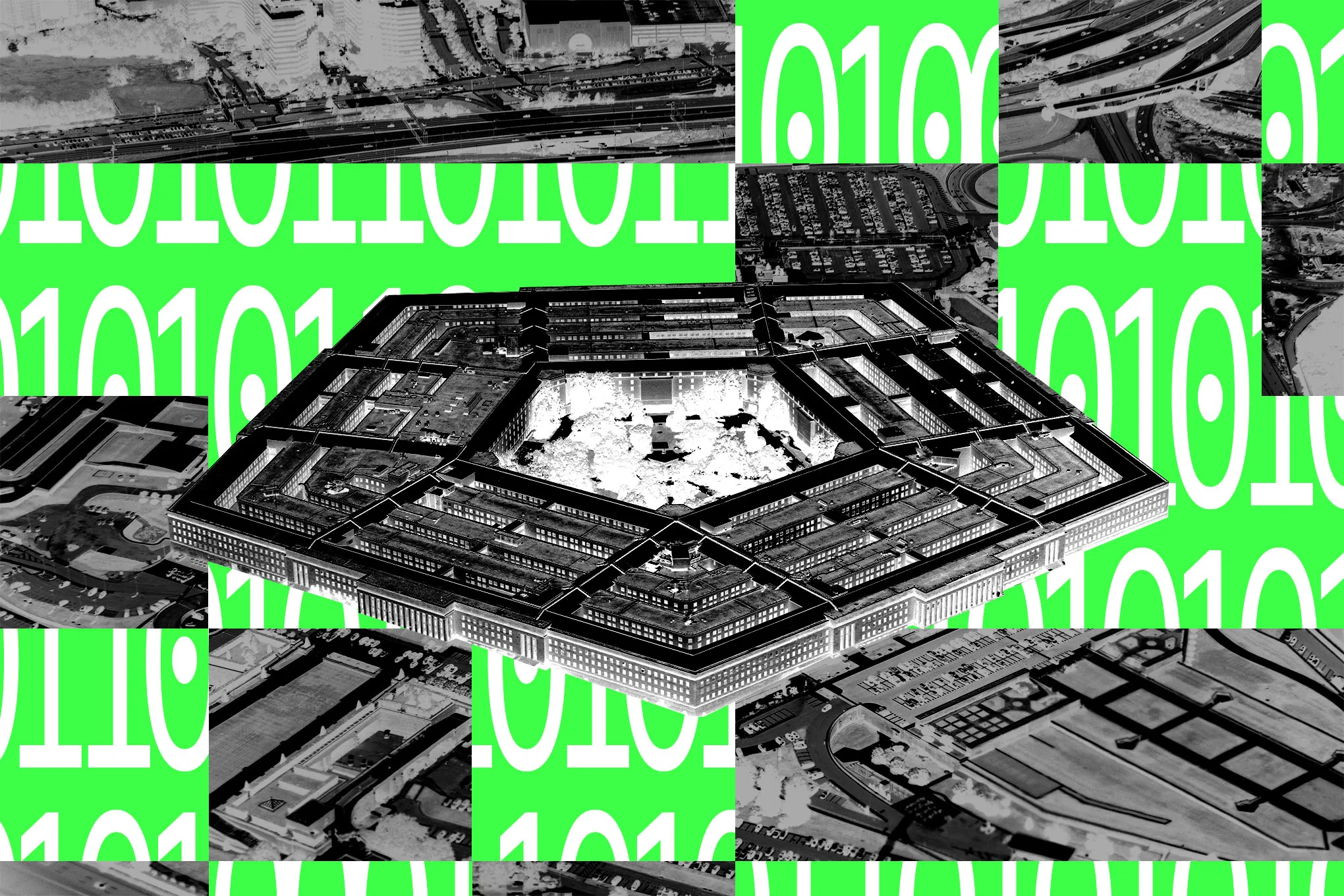
The lawsuit, filed in federal court, seeks to compel the government to revoke the designation, which Anthropic claims was made without proper due process and lacks transparency regarding the underlying justification. The company, known for its focus on AI safety and its large language model, Claude, asserts that the "supply chain risk" label is not only baseless but also jeopardizes its ability to secure partnerships, especially within the public sector, and undermines trust among its global clientele.
The Core of the Dispute: 'Supply Chain Risk' Designation
At the heart of Anthropic's legal challenge is the enigmatic "supply chain risk" designation. Typically, such classifications are applied to entities or components that pose a national security threat due to potential vulnerabilities, foreign ownership, or influence that could compromise critical infrastructure, data integrity, or technological superiority. For an AI developer like Anthropic, this label could imply concerns about the origin of its foundational models, the security of its development processes, or the potential for its technology to be exploited by adversarial actors.
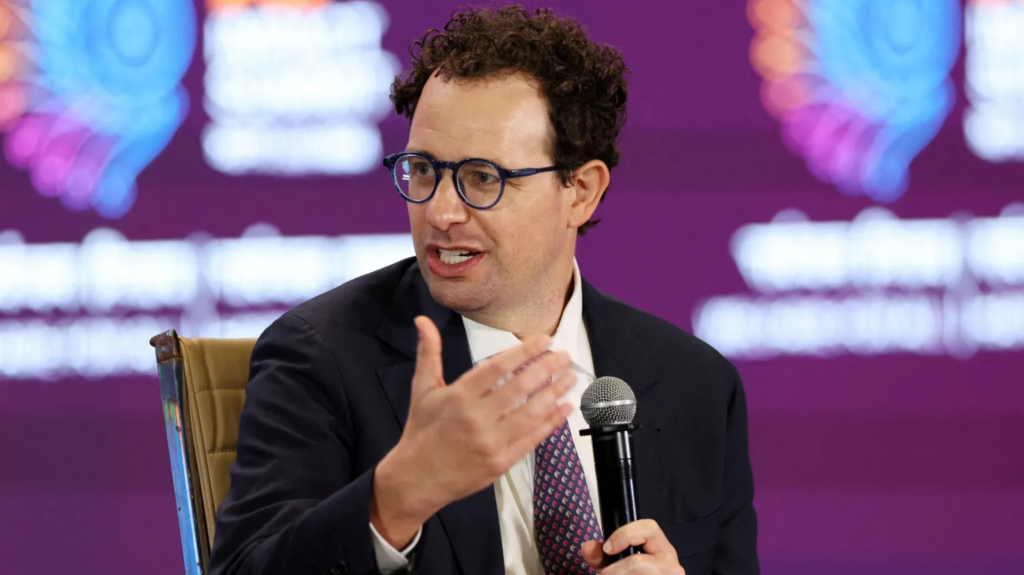
"This designation has cast an unwarranted shadow over our operations and our unwavering commitment to secure and responsible AI development," stated Dr. Evelyn Reed, Anthropic's Chief Legal Officer, in a press statement accompanying the lawsuit. "We have invested heavily in robust security protocols, transparent governance, and a safety-first approach that is recognized globally. To be labeled a 'supply chain risk' is not only factually incorrect but also deeply detrimental to our ability to innovate and contribute positively to the U.S. technological landscape."
The lawsuit details how the classification has led to lost opportunities, stalled negotiations with potential government clients, and raised questions among investors and partners. Anthropic argues that the lack of specific details regarding the government's assessment prevents it from adequately addressing any alleged concerns or defending its operational integrity.
Anthropic's Argument: Lack of Due Process and Transparency
Anthropic's legal filing emphasizes a critical lack of due process in how the "supply chain risk" designation was applied. The company alleges that it was not provided with sufficient notice, an opportunity to review the evidence against it, or a chance to appeal the decision through a fair administrative process. This, they contend, violates fundamental principles of administrative law and denies them their rights.
The company maintains that it operates with a strong focus on cybersecurity, data privacy, and ethical AI development, employing stringent internal controls to prevent malicious use or infiltration. Its commitment to safety and constitutional AI principles, it argues, stands in stark contrast to the implications of a "supply chain risk" designation.
"Our entire ethos is built around creating beneficial AI that is aligned with human values and rigorously tested for safety and security," Dr. Reed elaborated. "We believe in collaboration with governments to establish sound regulatory frameworks, but this particular action undermines the very trust necessary for such partnerships to flourish. We are seeking judicial review to ensure fairness, transparency, and accountability in government actions that profoundly impact American innovation."
Government's Stance and Broader Implications
While U.S. government officials have yet to comment directly on the ongoing litigation, the Department of Commerce and other national security agencies have increasingly focused on safeguarding critical technologies, including AI, from foreign adversaries. Concerns often revolve around the origins of hardware and software, data storage locations, intellectual property theft, and the potential for dual-use technologies to be weaponized or exploited.
"The U.S. government has a paramount responsibility to protect national security interests and ensure the integrity of its supply chains, particularly in emerging and foundational technologies like artificial intelligence," commented Professor Alistair Finch, a technology law expert at Georgetown University. "However, the method and transparency of such designations are crucial. If a company feels it has been unfairly targeted without due process, it sets a concerning precedent for future innovation and could deter investment in critical sectors."
This lawsuit could establish a significant precedent for how AI companies interact with federal regulatory bodies and national security apparatuses. It highlights the growing tension between the rapid pace of technological development and the government's imperative to secure its digital and economic infrastructure.
Looking Ahead: A Defining Legal Battle
The legal battle is expected to be protracted, with significant implications not just for Anthropic but for the entire AI industry. It will likely force a re-examination of the criteria and processes by which the U.S. government designates entities as "supply chain risks," particularly in the context of cutting-edge software and AI development. The outcome could shape future regulatory frameworks, influence investment decisions, and redefine the boundaries of government oversight in the rapidly evolving landscape of artificial intelligence.
As the case moves through the courts, observers will be keenly watching whether Anthropic can compel the government to reveal its evidence and justify its classification, or if the government will successfully defend its broad authority to protect national security interests without detailed public disclosure.