The growing threat of violent extremism and insecurity in the Sahel region has prompted a call to action from Ghana's Minister of Foreign Affairs, Samuel Okudzeto Ablakwa, who is urging stronger regional cooperation and coordinated responses to address the issue. The Sahel, a vast region spanning across several countries in West Africa, has been plagued by terrorist attacks, banditry, and other forms of insecurity, posing a significant threat to regional stability and global security. According to Ablakwa, a collective effort is necessary to combat the menace, which has far-reaching implications for the region and beyond.
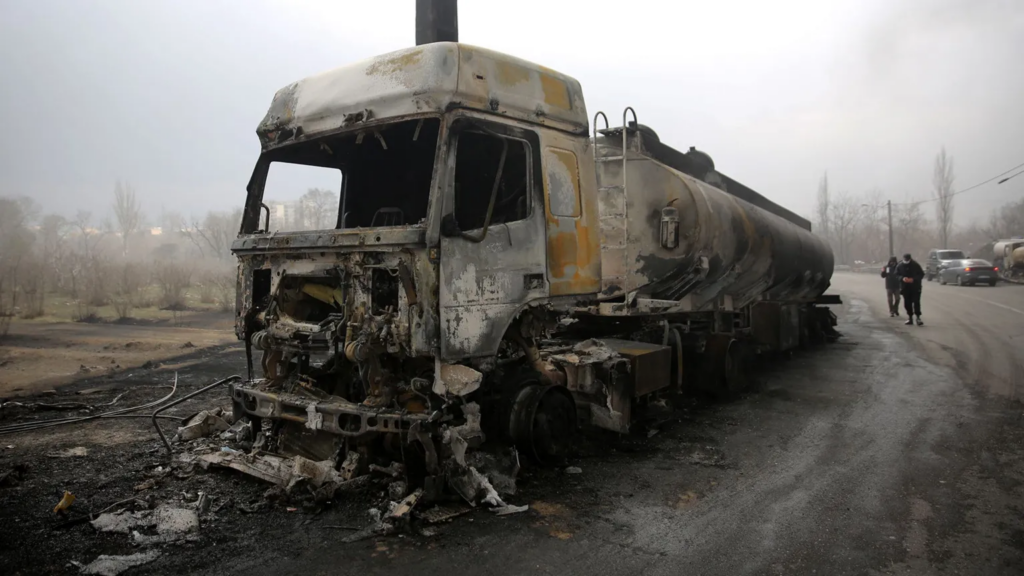
The Minister's comments come at a time when the Sahel region is experiencing an unprecedented level of insecurity, with terrorist groups such as Al-Qaeda and the Islamic State exploiting the porous borders and fragile security architecture of the region. The situation has been exacerbated by the presence of foreign fighters, who have been recruited by these terrorist groups to carry out attacks on civilian and military targets. The consequences have been devastating, with thousands of people killed, displaced, or affected by the conflict. As Ablakwa noted, "the Sahel region is facing a grave security threat that requires a concerted effort from all stakeholders to address. We cannot afford to tackle this challenge alone; we need a coordinated approach that involves all countries in the region, as well as international partners."
Regional Cooperation: The Way Forward
Regional cooperation is seen as a critical component in the fight against insecurity in the Sahel. By working together, countries in the region can share intelligence, coordinate military operations, and implement joint border security measures to prevent the movement of terrorists and other criminals.
"Regional cooperation is not just a nicety, it's a necessity in the face of the growing threat of violent extremism in the Sahel," said Dr. Kouassi Kouakou, a regional security expert. "By pooling our resources and expertise, we can develop a more effective response to the security challenges facing the region."Ablakwa's call for stronger regional cooperation is in line with this thinking, and it is expected that Ghana will play a key role in promoting this agenda in the coming months.
The Economic Community of West African States (ECOWAS) and the African Union (AU) have already taken steps to address the security challenges in the Sahel, including the deployment of troops and the establishment of a regional security framework. However, more needs to be done to address the root causes of insecurity in the region, including poverty, unemployment, and poor governance. As Ablakwa emphasized, "we need to address the underlying factors that are driving young people to join terrorist groups, including lack of economic opportunities, poor education, and social marginalization". By addressing these issues, the region can reduce the appeal of extremist ideologies and create a more stable and secure environment for all citizens.
International Support: A Critical Component
While regional cooperation is essential, international support is also critical in the fight against insecurity in the Sahel. The international community has a significant role to play in providing financial, military, and technical assistance to countries in the region to help them build their security capacity.
"The international community needs to recognize the gravity of the security threat facing the Sahel and provide more support to countries in the region," said Ambassador John Mahama, a former President of Ghana. "This includes providing training and equipment to security forces, as well as supporting economic development and social programs to address the root causes of insecurity."Ablakwa's call for stronger regional cooperation is also directed at the international community, which is expected to play a more active role in supporting regional efforts to address the security challenges facing the Sahel.
The United Nations, the European Union, and other international organizations have already provided significant support to countries in the Sahel, including funding for security sector reform, counter-terrorism initiatives, and humanitarian assistance. However, more needs to be done to address the scale and complexity of the security challenges facing the region. As Ablakwa noted, "the international community needs to do more to support regional efforts to address the security challenges facing the Sahel, including providing more funding, training, and equipment to security forces, as well as supporting economic development and social programs".
Conclusion
In conclusion, the growing threat of violent extremism and insecurity in the Sahel region requires a collective effort from all stakeholders to address. Ablakwa's call for stronger regional cooperation and coordinated responses is a step in the right direction, and it is expected that Ghana will play a key role in promoting this agenda in the coming months. However, more needs to be done to address the root causes of insecurity in the region, including poverty, unemployment, and poor governance. The international community also has a critical role to play in providing support to countries in the region to help them build their security capacity. As the region looks to the future, it is clear that a coordinated and sustained effort will be required to address the security challenges facing the Sahel and create a more stable and secure environment for all citizens. The time for action is now, and it is imperative that all stakeholders work together to address the growing threat of violent extremism and insecurity in the Sahel.