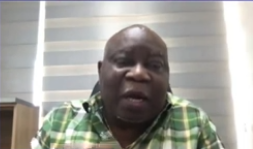
The ongoing nationwide strike by the Civil and Local Government Staff Association of Ghana (CLOGSAG) has brought to the fore the urgent need to revamp the country's industrial relations landscape. According to Labour Consultant Yiadom Boakye Amponsah, the current state of industrial relations in Ghana is at a tipping point, and if not addressed promptly, could have far-reaching consequences on the economy and national development. The strike, which began on Thursday, has already started to bite, with many public services grinding to a halt.
The CLOGSAG strike is the latest in a series of industrial actions by public sector workers in Ghana, who are demanding better working conditions, improved salaries, and benefits. However, Labour Consultant Amponsah warns that the situation goes beyond just addressing the grievances of public sector workers. He emphasizes the need for a comprehensive overhaul of the country's industrial relations framework, to prevent such disputes from arising in the future. "The current industrial relations landscape in Ghana is characterized by a lack of trust, poor communication, and inadequate dispute resolution mechanisms," Amponsah notes. "If we do not address these underlying issues, we risk experiencing more frequent and prolonged strikes, which could have devastating consequences on our economy and national development."
Impact of the Strike
The CLOGSAG strike has already started to take its toll on the country, with many public services, including revenue collection, passport issuance, and other critical services, coming to a standstill. The strike has also affected the operations of local governments, with many municipal and district assemblies unable to provide essential services to the public. According to Dr. Callistus Mahama, a local government expert, the strike could have long-term consequences on the ability of local governments to deliver services to the public. "The strike by CLOGSAG has the potential to undermine the gains made by local governments in recent years," Dr. Mahama warns. "If the strike is not resolved quickly, it could lead to a decline in the quality of services provided by local governments, which could have negative consequences on the health, education, and overall well-being of the public."
"The strike by CLOGSAG is a wake-up call for all stakeholders to take a closer look at the industrial relations landscape in Ghana. We need to work together to build trust, improve communication, and establish effective dispute resolution mechanisms to prevent such disputes from arising in the future." - Yiadom Boakye Amponsah, Labour Consultant
Call for Urgent Attention
Labor Consultant Amponsah is calling on the government, public sector unions, and other stakeholders to take immediate action to address the underlying issues driving the CLOGSAG strike. He emphasizes the need for a comprehensive and inclusive approach to industrial relations, which takes into account the concerns and interests of all parties involved. "We need to move away from the adversarial approach to industrial relations, which has characterized our landscape for so long," Amponsah notes. "Instead, we should adopt a more collaborative and consultative approach, which prioritizes dialogue, mutual respect, and the pursuit of common interests."
According to Mr. Isaac Bampoe Addo, Executive Secretary of CLOGSAG, the union is committed to finding a lasting solution to the current impasse. "We are willing to engage in constructive dialogue with the government and other stakeholders to find a solution that addresses the concerns of our members," Mr. Addo says. "However, we also expect the government to demonstrate a commitment to addressing the underlying issues driving the strike, including the need for better working conditions, improved salaries, and benefits."
Way Forward
As the CLOGSAG strike continues, there are concerns about the potential impact on the economy and national development. However, Labour Consultant Amponsah remains optimistic that the situation can be resolved through dialogue and a commitment to reform. "We have an opportunity to transform the industrial relations landscape in Ghana and create a more stable and productive work environment," Amponsah notes. "However, this will require a willingness to listen, to compromise, and to work together to find solutions that benefit all parties involved."
In conclusion, the CLOGSAG strike has highlighted the urgent need to revamp the industrial relations landscape in Ghana. As the situation continues to unfold, it is clear that a comprehensive and inclusive approach is needed to address the underlying issues driving the strike. With a willingness to engage in constructive dialogue and a commitment to reform, it is possible to find a lasting solution to the current impasse and create a more stable and productive work environment for all public sector workers in Ghana. As Labour Consultant Amponsah emphasizes, the time to act is now, to prevent further industrial unrest and ensure that the country can achieve its development goals.